5 Common Ford Fiesta 1.4 Duratec Engine Problems and How to Solve Them
Home of Engines & Gearboxes · 8 September 2025 · 7 min read
The ford fiesta 1.4 duratec engine problems are a frequent concern for owners and mechanics in South Africa, from rough idling to oil leaks and overheating. This guide answers the most common questions, explains diagnostic steps, repair options and when it makes sense to source a low‑mileage replacement engine or a second‑hand unit.
What are the most common ford fiesta 1.4 duratec engine problems?
Common ford fiesta 1.4 duratec engine problems include misfires and poor running, oil leaks from valve cover gaskets, coolant-related overheating, timing chain/tensioner wear and sensor/ECU faults. Owners often report these symptoms as intermittent stalling, increased oil consumption, white smoke on startup or an illuminated check engine light.
Below is a compact list with quick causes and severity levels to help prioritise diagnostics:
Symptom
Likely cause
Severity
Misfire / rough idle
Ignition coils, spark plugs, fuel injector faults
Medium
Oil on garage floor / smoke
Valve cover gasket, camshaft seals, oil pan gasket
Low–Medium
Overheating
Head gasket, thermostat, water pump, clogged radiator
High
Timing rattle / poor running
Tensioner or chain stretch
High
Check engine light
Sensors (MAP/MAP/oxygen), ECU faults
Variable
How do I diagnose misfires and ignition issues on a 1.4 Duratec?
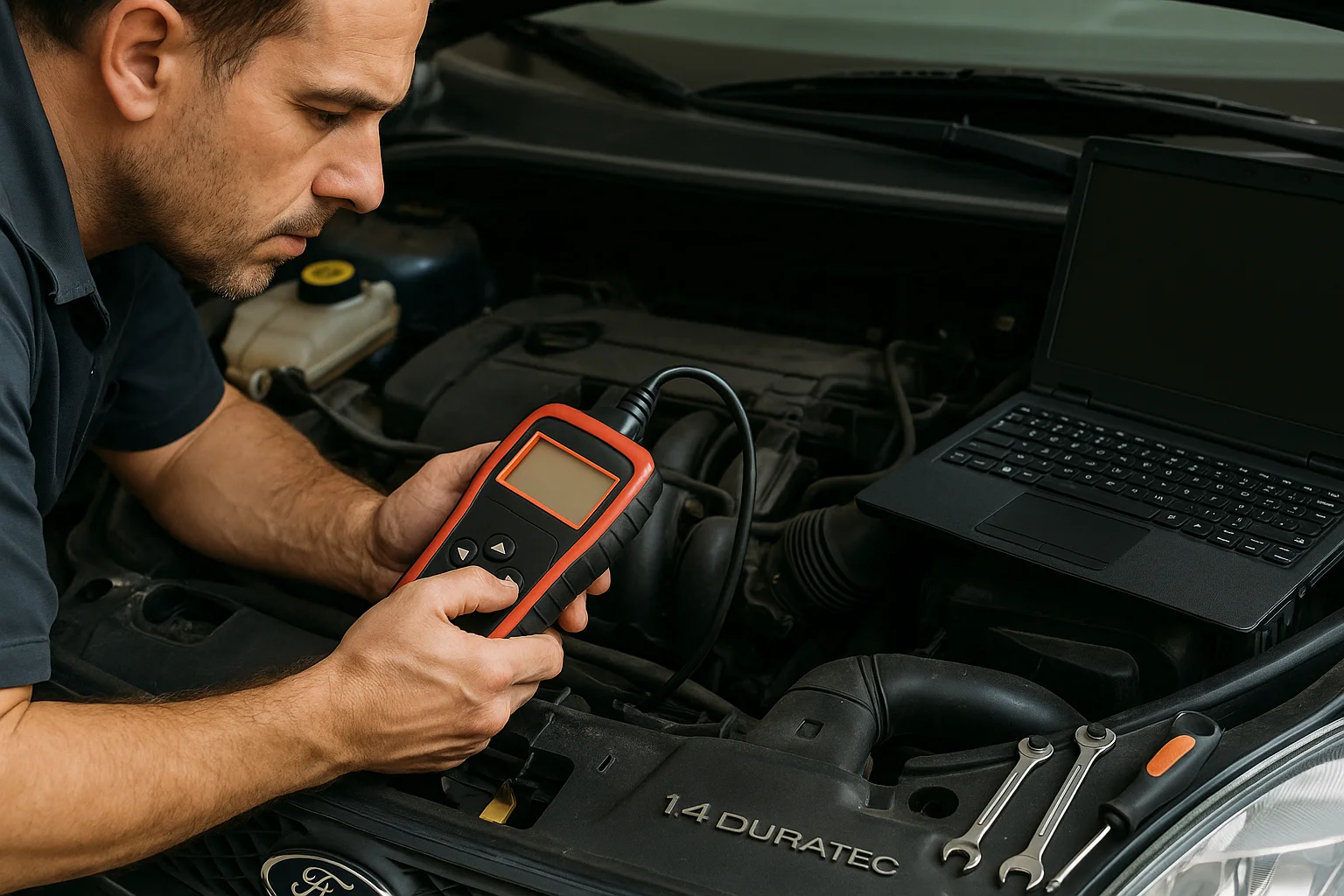
Start systematic checks: read the fault codes with an OBD‑II scanner, inspect spark plugs and ignition coils, test fuel pressure and swap coils between cylinders to isolate a bad coil. Misfires are commonly caused by worn spark plugs or failed coils; less commonly by clogged injectors or vacuum leaks.
Practical diagnostic steps:
Read and record OBD codes (P0300–P0304 indicate misfires).
Visual inspect plugs for fouling; replace if >30,000 km or fouled.
Swap ignition coils between cylinders to see if misfire follows the coil.
Check fuel rail pressure and injector spray patterns if coils/plugs test OK.
Inspect vacuum hoses and intake manifold boot for cracks.
Repair is usually straightforward in a well-equipped workshop — replacement plugs and coils are affordable and quick. If you don’t want to source parts locally, experienced suppliers of second‑hand and imported engines can also supply complete ignition assemblies as part of a replacement engine package; see services at Home of Engines for installation options.
Why does the Duratec overheat or blow head gaskets, and how do I fix it?
Overheating on the 1.4 Duratec is usually caused by cooling system failure: stuck thermostat, faulty water pump, blocked radiator or low coolant. Persistent overheating can lead to a blown head gasket or, in worst cases, warped cylinder head.
Diagnosis and remedy:
Check coolant level and color; look for oil-coolant mixing (a milky residue).
Pressure-test the cooling system to find leaks and check thermostat operation.
Inspect radiator and heater core for blockages; flush if contaminated.
If head gasket failure is suspected (white smoke, loss of compression), perform a compression or leak‑down test.
If the head gasket is failed, replacement or a full engine rebuild is required. In South Africa many owners find cost-effective solutions by sourcing low‑mileage imported engines or RMI‑approved second‑hand units with warranty; according to Home of Engines, many replacement engines are supplied complete with alternator, pumps and a 3‑month warranty, which can simplify repairs and reduce downtime.
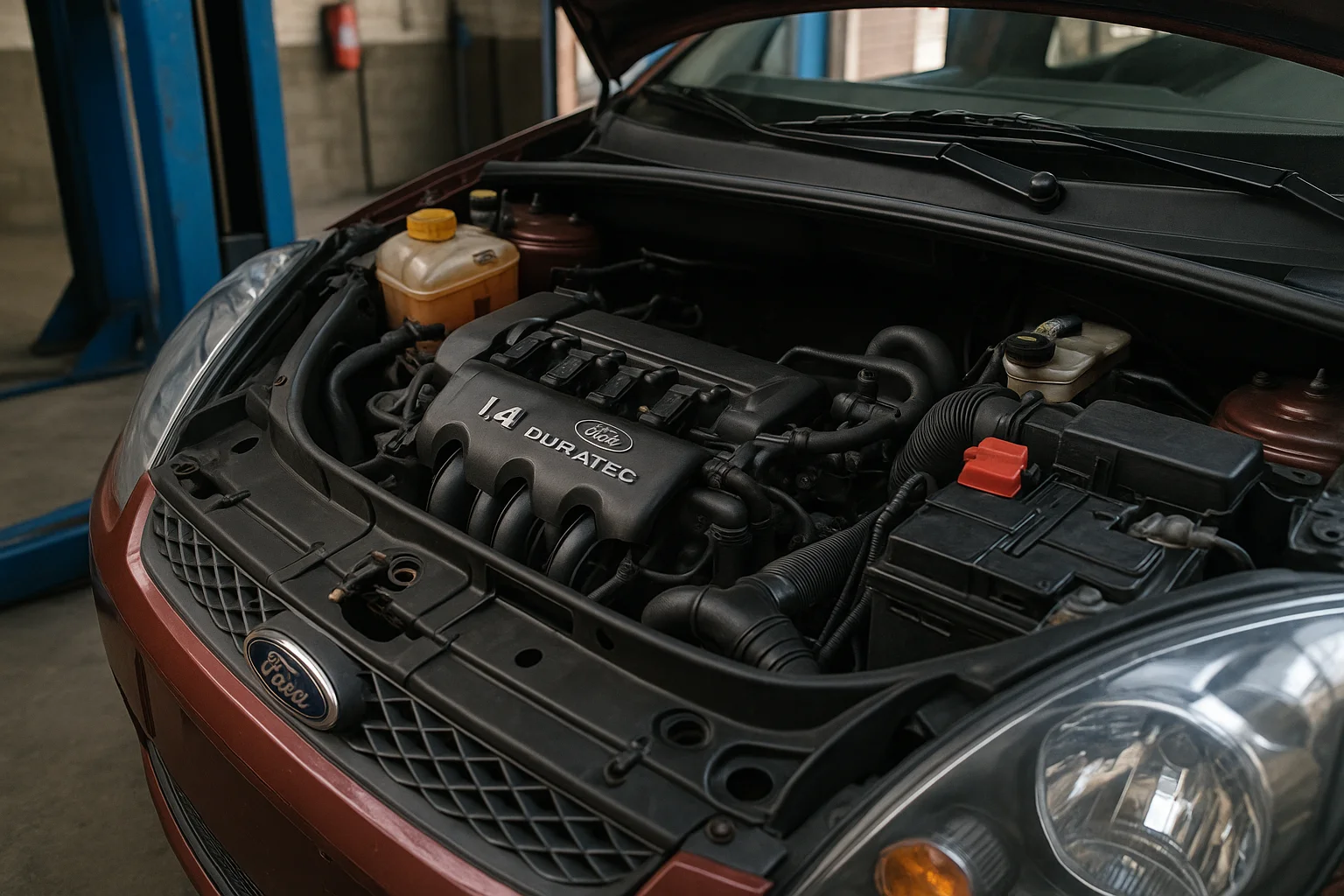
[caption id="" align="alignnone" width="1536"] Ford Fiesta 1.4 Duratec Engine Problems[/caption]
How do I find and fix oil leaks or high oil consumption on the 1.4 Duratec?
Oil leaks and increased oil consumption are common ford fiesta 1.4 duratec engine problems. Typical leak sources include the valve cover gasket, camshaft seals, crankshaft front seal and oil pan gasket. Minor leaks may be manageable with gasket replacement, but persistent consumption suggests worn piston rings or valve stem seals.
Steps to diagnose and repair:
Clean the engine and run it to identify the leak origin.
Check PCV valve function — a clogged PCV can increase crankcase pressure and force oil past seals.
If consumption continues, perform a compression test; low cylinder compression indicates ring wear and may justify a rebuild or a replacement engine.
When repair complexity or cost rises, compare a rebuild vs sourcing a low‑mileage replacement. For mechanics and fleet owners in South Africa, Home of Engines lists second‑hand Ford engines and offers nationwide delivery — useful when quick turnaround is needed.
Are timing chain or tensioner faults common on the 1.4 Duratec?
Timing chain systems are designed to be long‑lasting, but tensioners and guides can wear. A worn tensioner can cause a rattling noise at cold start, poor running and, in extreme cases, valve timing drift which risks valve-to-piston contact.
How to handle timing issues:
Listen for rattles at startup (more noticeable on cold mornings).
Inspect tensioner hydraulic pressure if applicable and check chain slack during maintenance.
Replace worn tensioners/guides promptly to avoid catastrophic engine damage.
If the chain has stretched or teeth on sprockets are damaged, the safest route is a full timing set replacement or, when combined with other major faults, consider an exchange engine from a trusted supplier.
What role do sensors and the ECU play in these engine problems?
Sensors (MAP, MAF, oxygen sensors, coolant temp sensor) feed the ECU, which controls fueling and ignition. Faulty sensors cause incorrect fueling, misfires, rough running and can trigger catalytic converter damage if ignored. Proper diagnosis requires live data from an OBD scanner and cross‑checking sensor outputs against expected values.
Practical testing tips:
Use a scanner to view live sensor data at idle and RPM.
Compare intake air temp and coolant temp readings to ambient conditions.
Replace sensors with OE-equivalent parts — cheap sensors can create more problems.
Replacing a single sensor is inexpensive; however, recurring sensor faults can point to wiring or ECU problems, which may require professional diagnosis or a replacement engine/ECU package from a reliable supplier.
When should I repair vs replace the engine — is a used engine a good option?
Deciding between repair and replacement depends on the damage extent, parts/labour cost and time. If there is major mechanical failure (seized engine, badly warped head, multiple low-compression cylinders) a replacement engine is often faster and more cost‑effective than a full rebuild.
Used engine considerations:
Buy from RMI‑approved suppliers or reputable dealers who provide history and warranty.
Prefer low‑mileage engines and ones sold complete (alternator, turbo/pumps where applicable) to reduce additional parts cost.
Verify compatibility of ECU and ancillaries; get expert support on fitment.
According to the RMI, purchasing engines from approved suppliers reduces the risk of undisclosed faults and compliance issues. Home of Engines lists second‑hand Ford engines for sale and provides expert support for engine compatibility and nationwide delivery in South Africa, making replacement a realistic option for many owners.
[caption id="" align="alignnone" width="1536"] Ford Fiesta 1.4 Duratec Engine Problems[/caption]
How much does an engine replacement or rebuild typically cost in South Africa?
Costs vary widely by region, supplier and whether the engine is reconditioned, rebuilt or second‑hand. For the ford fiesta 1.4 duratec engine problems that lead to full replacement, expect a range roughly from ZAR 12,000–ZAR 40,000 for a second‑hand low‑mileage engine plus labour; full rebuilds can cost more depending on parts and machining. These are approximate ranges — always get a detailed quote.
What affects price:
Engine condition and mileage.
Whether ancillaries (alternator, starter, pumps) are included.
Labour rates and complexity of fitment for your specific Fiesta year/model.
According to Home of Engines’ service listings, many replacement engines are supplied complete with ancillaries and a standard 3‑month warranty, which often represents better value than piecemeal part replacement when major faults exist.
Can I fit a low‑mileage imported Duratec engine or a crate engine in Johannesburg?
Yes. Importing a low‑mileage Duratec or sourcing an exchange engine in Johannesburg is common. Make sure the supplier handles customs compliance and provides documentation for registration. Home of Engines offers imported engines for sale in Johannesburg and nationwide delivery for mechanics and fleet owners.
Checklist before purchase:
Confirm engine code and ECU compatibility with your vehicle.
Ask for full condition reports and photos, and check for included ancillaries.
Ensure a warranty (e.g., 3 months) and after‑sales support for installation and troubleshooting.
According to Wikipedia, the Ford Fiesta has been produced across many generations, so verifying model-year engine compatibility is crucial before purchasing an imported unit: https://en.wikipedia.org/wiki/Ford_Fiesta.
What preventative maintenance reduces the risk of ford fiesta 1.4 duratec engine problems?
Routine maintenance dramatically reduces the chance of the most common problems. Regular oil and filter changes, coolant flushes, timely spark plug and coil replacement and periodic inspection of the timing chain tensioner and cooling system will keep the Duratec healthy.
Standard maintenance checklist (every 10,000–20,000 km):
Change engine oil and oil filter (use manufacturer-recommended grade).
Inspect and replace spark plugs and ignition coils as needed.
Check coolant concentration and replace if old or contaminated.
Check belts, hoses and the PCV system annually.
Where can I get expert installation, warranty support and parts in South Africa?
For reliable installation and warranty support in South Africa, choose RMI‑approved suppliers and workshops. Home of Engines is an RMI‑approved engine supplier offering second‑hand Ford engines, imported engine options and installation services. They list brands and services across a wide range of vehicle applications — including cars and bakkies — and provide nationwide delivery, which is valuable for fleet operators and independent mechanics.
Useful links and next steps:
Browse second‑hand Ford engines: https://homeofengines.co.za/brands/second-hand-ford-engines-for-sale/
Explore installation and workshop services: https://homeofengines.co.za/services/
Check imported engine availability in Johannesburg: https://homeofengines.co.za/imported-engines-for-sale-in-johannesburg/
See the company homepage for other options and nationwide delivery: https://homeofengines.co.za/
If you need other brands or comparisons, Home of Engines also lists engines for Toyota and others: https://homeofengines.co.za/brands/second-hand-toyota-engines-for-sale/
Final tip: get a written diagnostic report before committing to major repairs or engine swaps and compare the overall cost of repair vs replacement. According to the RMI, working with approved suppliers reduces risk and ensures compliance with South African import and registration regulations.

 Ford Fiesta 1.4 Duratec Engine Problems[/caption]
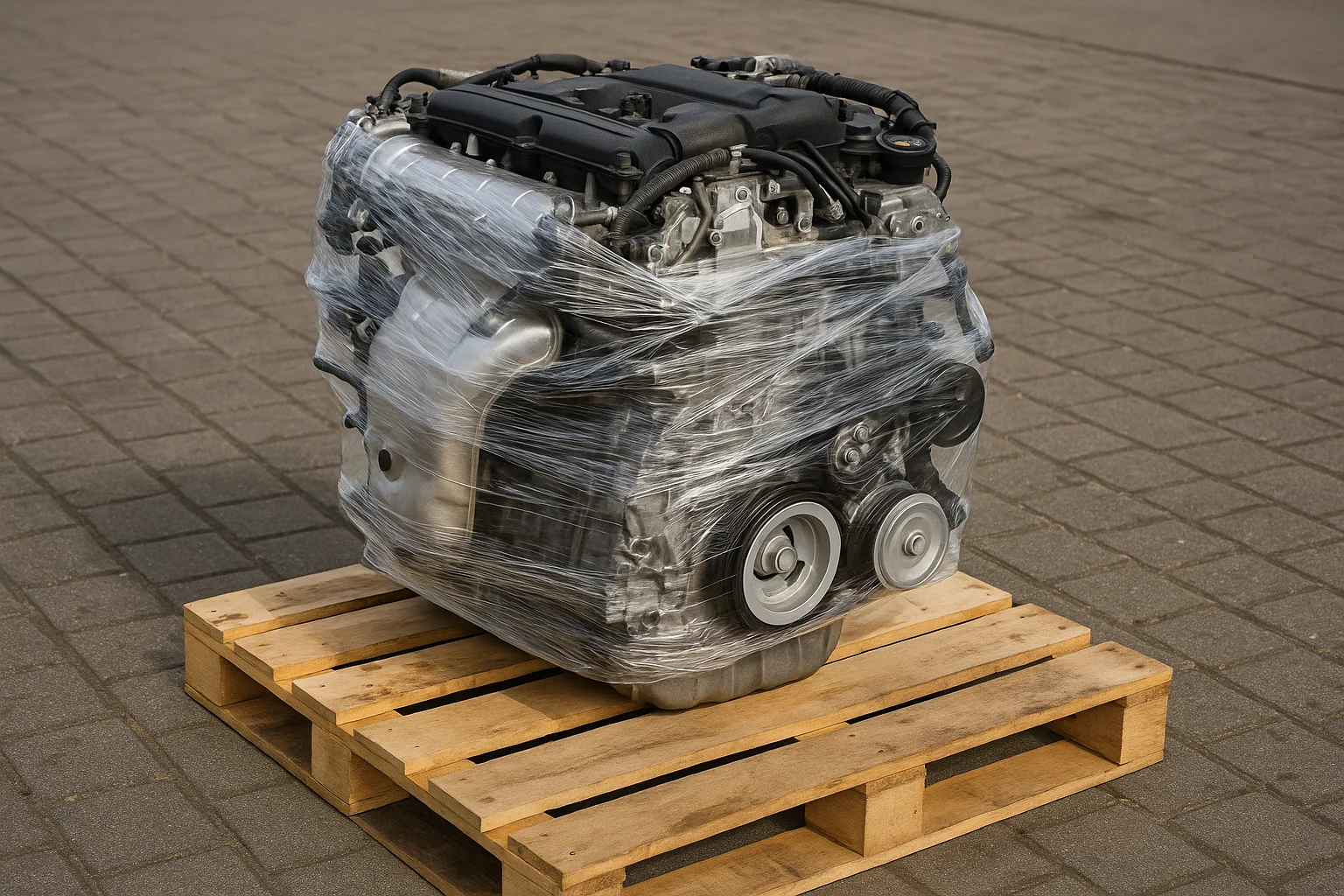 Ford Fiesta 1.4 Duratec Engine Problems[/caption]