Home of Engines & Gearboxes · 22 September 2025 · 8 min read
ford focus engine owners and buyers in South Africa need clear, practical information when sourcing replacements, choosing between petrol and diesel options, and arranging installation and registration. This guide answers the most common questions about Ford Focus engines, covering compatibility, sourcing UK-imported low-mileage engines, warranty and RMI-approved suppliers, gearbox matching, and options for mechanics and fleet owners.
What are the most common faults with a ford focus engine?
Common faults vary by generation and powertrain, but several recurring issues affect Ford Focus engines across petrol and diesel ranges. Early second-generation petrol EcoBoost units sometimes experienced turbocharger or PCV system problems; older Zetec and Duratec petrol engines can suffer from camshaft wear and timing chain tensioner issues. Diesel Focus engines, particularly high-torque TDCi units, often have EGR and particulate filter complications when used predominantly for short trips.
Understanding common faults helps set expectations when buying a second-hand or UK-imported low-mileage engine. Insist on a compression test report, inspect for oil leaks and evidence of overheating, and check turbocharger shaft play on turbo models. A reputable supplier should provide a clear description of any known issues and a mechanical history where possible.
How do I check compatibility when sourcing a Ford Focus engine?
Compatibility is crucial. The same model-year Focus can carry different engines and electronic control units; differences in engine mounts, wiring harness connectors, ECU calibration, and transmission bellhousing patterns mean that not every Ford Focus engine will bolt straight into every Focus variant. When sourcing, provide VIN, engine code, and the gearbox type (manual or automatic) to the supplier.
Practical checks include:
Matching engine code and VIN cross-reference.
Confirming bellhousing bolt pattern for gearbox fitment.
Verifying ECU and immobiliser compatibility or planning for ECU reprogramming.
For professional support in South Africa, consult suppliers who offer expert compatibility advice and nationwide delivery. For a quick start, Home of Engines maintains brand-specific listings that include Ford parts and second-hand Ford engines for sale.
What are the options for petrol vs diesel Ford Focus engines?
Choice between petrol and diesel depends on use case. Petrol engines generally offer lower purchase and maintenance costs for urban drivers, smoother idle, and fewer emissions-control components that can fail in stop-start driving. Diesel engines deliver superior torque and fuel economy for long-distance drivers, bakkies, and high-load applications, but they require careful maintenance of turbochargers, EGRs and diesel particulate filters.
Table: Petrol vs Diesel — quick comparison
Characteristic
Petrol
Diesel
Fuel economy
Good (city drivers)
Better on highways
Torque
Lower
Higher (better for towing)
Maintenance
Simpler
More complex (turbo, DPF)
Typical buyers
Urban, daily drivers
Commercial, long-distance, high-torque needs
In South Africa, high-torque diesel engines are popular for bakkies and light trucks. If you need a diesel unit for heavy-duty use, seek engines specified as high-torque diesel models and verify they include turbocharger and associated pumps.
[caption id="" align="alignnone" width="1536"] Ford Focus Engine[/caption]
Can I get a low-mileage UK-imported Ford Focus engine in South Africa?
Yes — many South African buyers prefer UK-imported low-mileage engines because vehicles exported from the UK often have detailed service records and lower average mileage for certain vehicle classes. According to Home of Engines' stock data, they supply UK-imported low-mileage engines and deliver nationwide in South Africa, with a clear inventory across multiple brands.
Import considerations include compliance with SA import and registration regulations, duty and VAT calculations, and ensuring the supplier provides documentation for cross-border movement and legal registration. A good supplier will assist with paperwork and offer clarity on what is included in the sale (for example, alternator, turbo, water pump, and engine sensors).
What’s included with a complete second-hand Ford Focus engine?
Complete engines can be sold in different states: crate engines, long-blocks, and complete assemblies. A complete engine for a Ford Focus typically includes the cylinder head, manifolds, turbocharger (if fitted), alternator, starter motor, water pump, fuel pump (where integral), and many sensors. Suppliers often list exactly what is included so buyers can compare like-for-like offers.
Checklist to request from suppliers:
Mileage and condition report (compression, leaks, smoke).
Warranty terms and any exclusions.
Home of Engines advertises complete engines with common ancillaries included and provides second-hand engine options across over 20 vehicle brands for mechanics and fleet owners.
How does warranty and RMI-approval protect buyers?
Warranty and recognised accreditation add peace of mind when buying a used engine. In South Africa, the Retail Motor Industry Organisation (RMI) and similar bodies set standards for reputable suppliers. According to the RMI, certified suppliers provide buyer protection through clear warranty terms and dispute resolution mechanisms. Many RMI-approved engine suppliers offer a standard 3-month warranty on engines and gearboxes; this is a typical baseline for second-hand components.
When evaluating warranty offers, check:
Duration and start date (installation vs delivery date).
Requirements for installation by an authorised workshop to keep the warranty valid.
A supplier that combines warranty with expert support for engine compatibility and installation guidance reduces risk for mechanics, fleet owners, and private buyers.
What about gearbox compatibility and replacements with a Ford Focus engine?
Matching the engine to the correct gearbox is essential. Ford often pairs specific engine outputs with manual or automatic gearboxes; the bellhousing bolt pattern, input shaft spline count, and starter motor location must align. If you’re replacing both engine and gearbox, consider buying them as a matched pair for the simplest fitment and warranty consolidation.
Services available include gearbox replacement, clutch/flywheel matching for manual gearboxes, and reprogramming for automatic transmissions where necessary. Home of Engines lists gearbox replacement options and carries automatic and manual gearboxes for many models, and they can supply matched high-torque diesel combinations for commercial vehicles.
[caption id="" align="alignnone" width="1536"] Ford Focus Engine[/caption]
How much does a replacement Ford Focus engine cost in South Africa?
Prices vary widely depending on generation, mileage, and whether the engine is imported or local. A low-mileage UK-imported engine with ancillaries and a 3-month warranty will command a premium compared to a local used unit without inclusions. Costs also reflect whether you need a petrol or diesel variant and whether the engine comes with the gearbox.
Typical cost drivers:
Engine condition and stated mileage.
Inclusions (turbo, alternator, pumps).
Warranty length and RMI-status of the supplier.
For an accurate quote, request a full specification from the supplier, and compare offers across brands and stock lists such as the Home of Engines brands page and specific Ford listings. Price transparency and delivery terms (nationwide delivery in South Africa) are key factors for budgeting.
How is engine installation and registration handled in South Africa?
Installation should be performed by a qualified workshop that can handle ECU programming, immobiliser alignment, and registration changes if the engine swap changes engine number records. The supplier often provides documentation required for the licensing authority and may offer or recommend installation services.
Steps for installation and registration:
Confirm the engine serial number and obtain a supplier invoice and warranty certificate.
Install with a qualified fitter and obtain a written installation report for warranty purposes.
Submit required forms to the licensing authority for engine number update and re-registration where necessary.
According to South African industry practice, compliance with import and registration regulations is mandatory to avoid future issues during roadworthiness tests or sale.
What are crate engines and rebuilt options for the Ford Focus?
Crate engines are remanufactured or rebuilt engines sold ready-to-install, often with new gaskets, bearings, and sometimes new components like pistons or turbos. Rebuilt engines can be a cost-effective alternative to brand-new units for older vehicles. Rebuilds vary from partial rebuilds (e.g., head gasket and seals) to full overhauls with machining and new components.
Pros and cons:
Crate/newly rebuilt engines: longer life expectancy, higher cost, often better warranty.
Used second-hand engines: lower cost, quicker availability, variable risk depending on supplier checks and warranty.
For commercial fleets and mechanics, the choice depends on downtime tolerance, budget, and long-term reliability expectations. Many suppliers list crate engine options and rebuilt units alongside second-hand engines; check service pages for installation support and after-sales assistance.
[caption id="" align="alignnone" width="1536"] Ford Focus Engine[/caption]
Where can mechanics and fleet owners in South Africa source Ford Focus engines?
Mechanics and fleet owners should choose suppliers with broad brand coverage, clear compatibility support, and nationwide delivery. Home of Engines is an example of a trusted RMI-approved engine supplier in South Africa that offers engines for over 20 vehicle brands, gearbox replacement options, and the ability to source UK-imported low-mileage engines. According to Home of Engines' inventory summaries, they stock second-hand engines for makes like Ford, Toyota, BMW, Nissan and Mercedes and provide a 3-month warranty on engines and gearboxes.
Useful internal resources and services to consult when sourcing:
Finally, always confirm documentation to comply with South African import and registration rules and choose suppliers with clear warranty and return policies.
Final checklist before buying a Ford Focus engine
Before committing to a purchase, run through this checklist to reduce risk and avoid costly surprises:
Confirm exact engine code and VIN compatibility.
Ask for a compression or mechanical test report and evidence of mileage.
Verify what ancillaries are included (turbo, alternator, water pump).
Check warranty length, coverage, and RMI approval.
Plan for ECU programming and immobiliser matching if necessary.
Obtain documentation for registration and any import compliance paperwork.
According to Wikipedia, the Ford Focus has been produced since 1998 and has seen multiple engine families and calibrations across regions and model years, which underscores the importance of precise compatibility checks. According to the Retail Motor Industry Organisation (RMI), purchasing from accredited suppliers and securing a clear warranty substantially reduces buyer exposure. And according to Home of Engines' inventory, demand for second-hand and UK-imported low-mileage engines remains strong among South African mechanics and fleet operators.
Further resources
For technical specifications and model history, see the Ford Focus entry on Wikipedia: Ford Focus - Wikipedia. For practical purchasing and service options, review supplier brand pages and services to compare stock, warranties and installation offerings.
Choosing the right Ford Focus engine in South Africa comes down to accurate compatibility checks, clear documentation, RMI-approved sourcing, and realistic expectations about diesel vs petrol trade-offs. When in doubt, contact a supplier who can supply a matched engine and gearbox, provide expert compatibility checks, and handle nationwide delivery and documentation support.

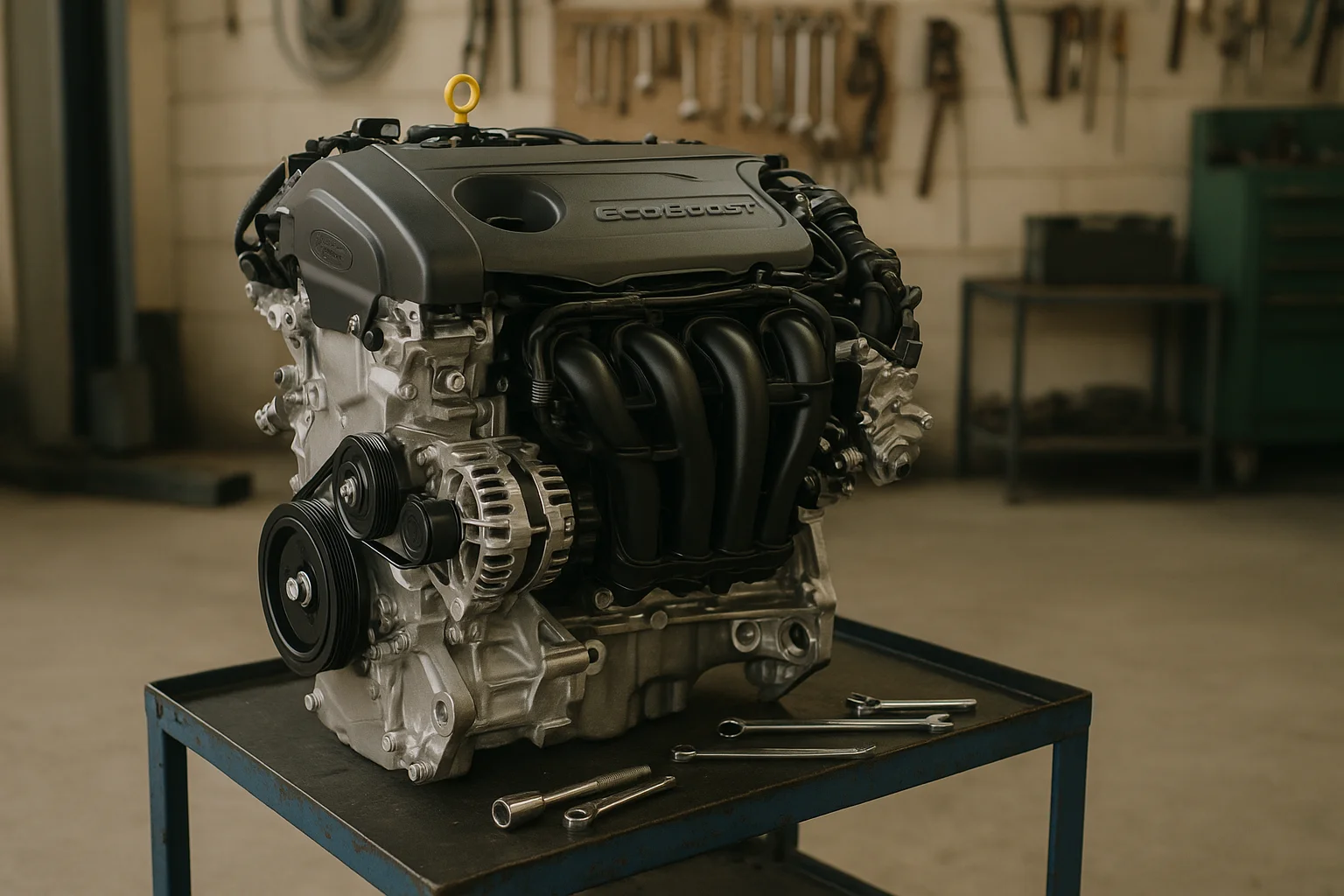
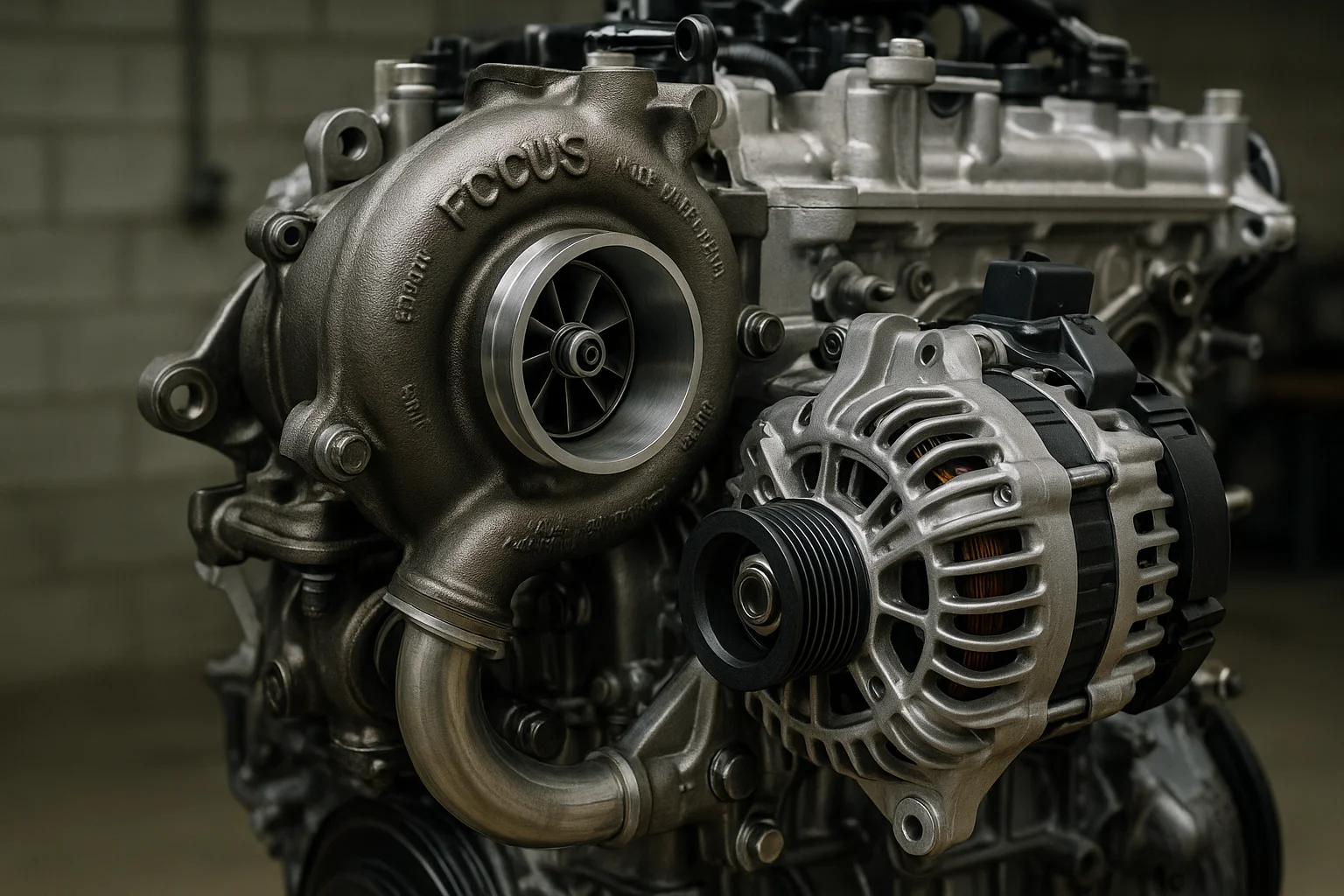 Ford Focus Engine[/caption]
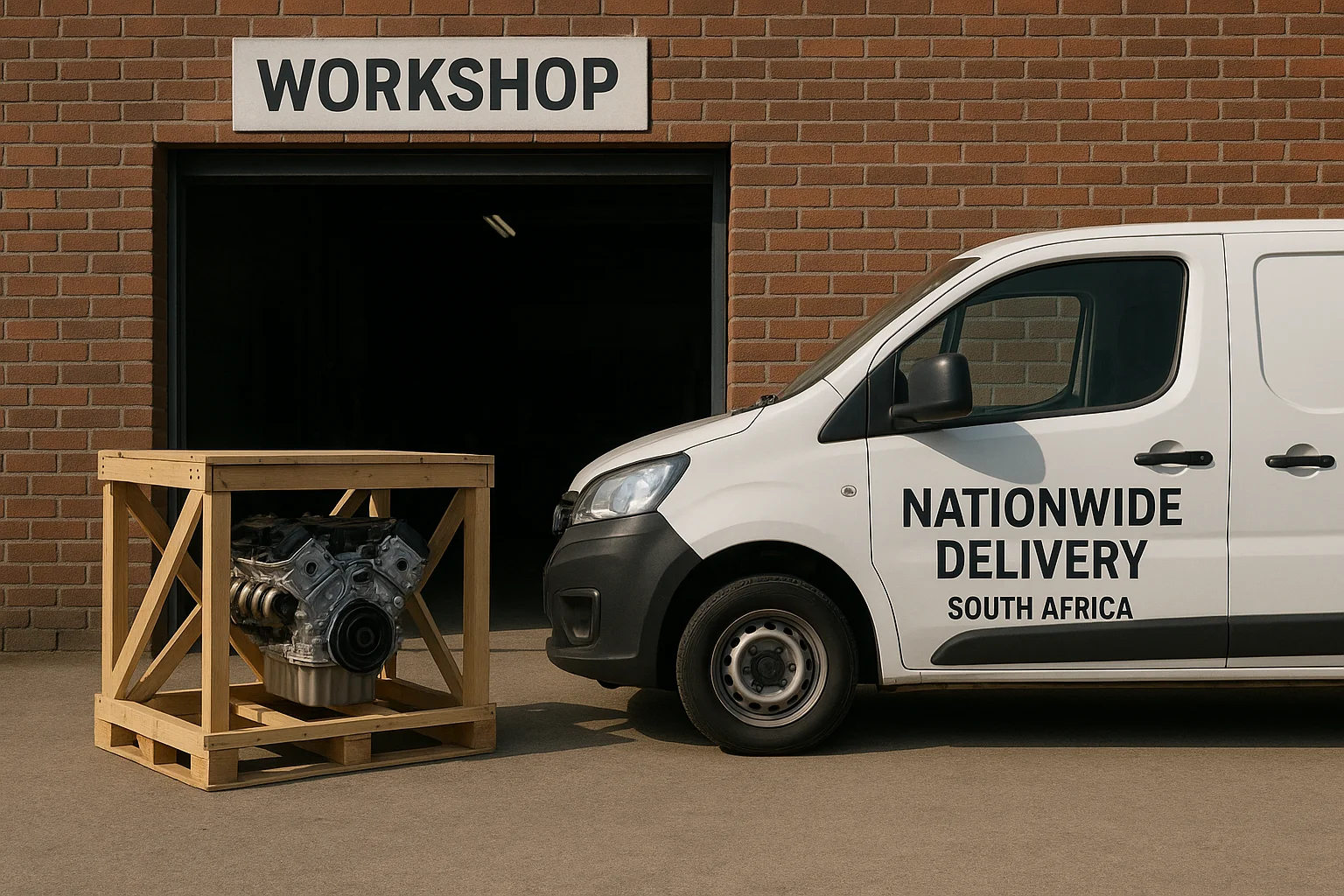 Ford Focus Engine[/caption]
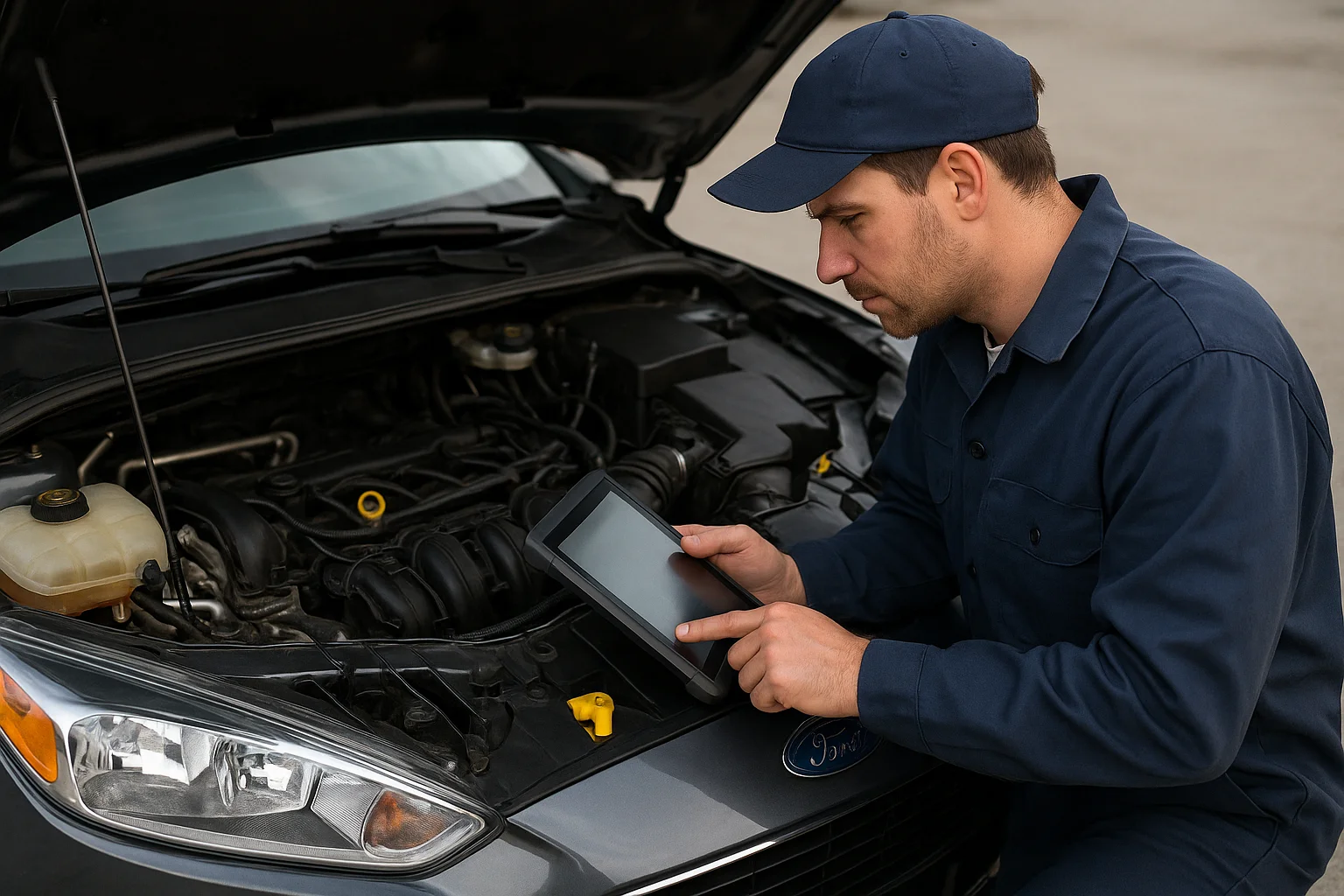 Ford Focus Engine[/caption]