
BMW M50 Engine: The Secret Weapon Behind BMW’s 90s Performance Legends
What Made the BMW M50 Engine a Game-Changer in the 1990s?
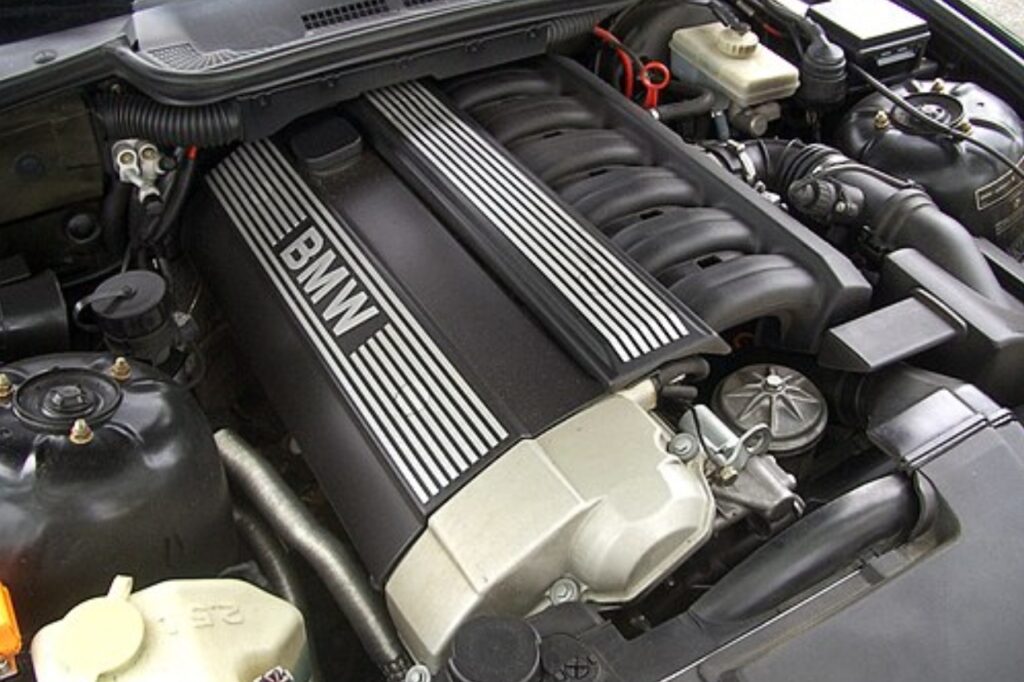
The BMW M50 engine was a turning point in BMW’s history, representing a shift toward modern engine technology while keeping the brand’s performance DNA intact. Introduced in 1989, it powered iconic models like the E34 5 Series and the E36 3 Series. Featuring advanced design elements for its time, such as twin overhead camshafts and four valves per cylinder, the M50 delivered both durability and smooth performance. This engine cemented BMW’s reputation for building reliable, high-performance inline-six engines that continue to earn respect today.
Which BMW Models Were Equipped with the M50 Engine?
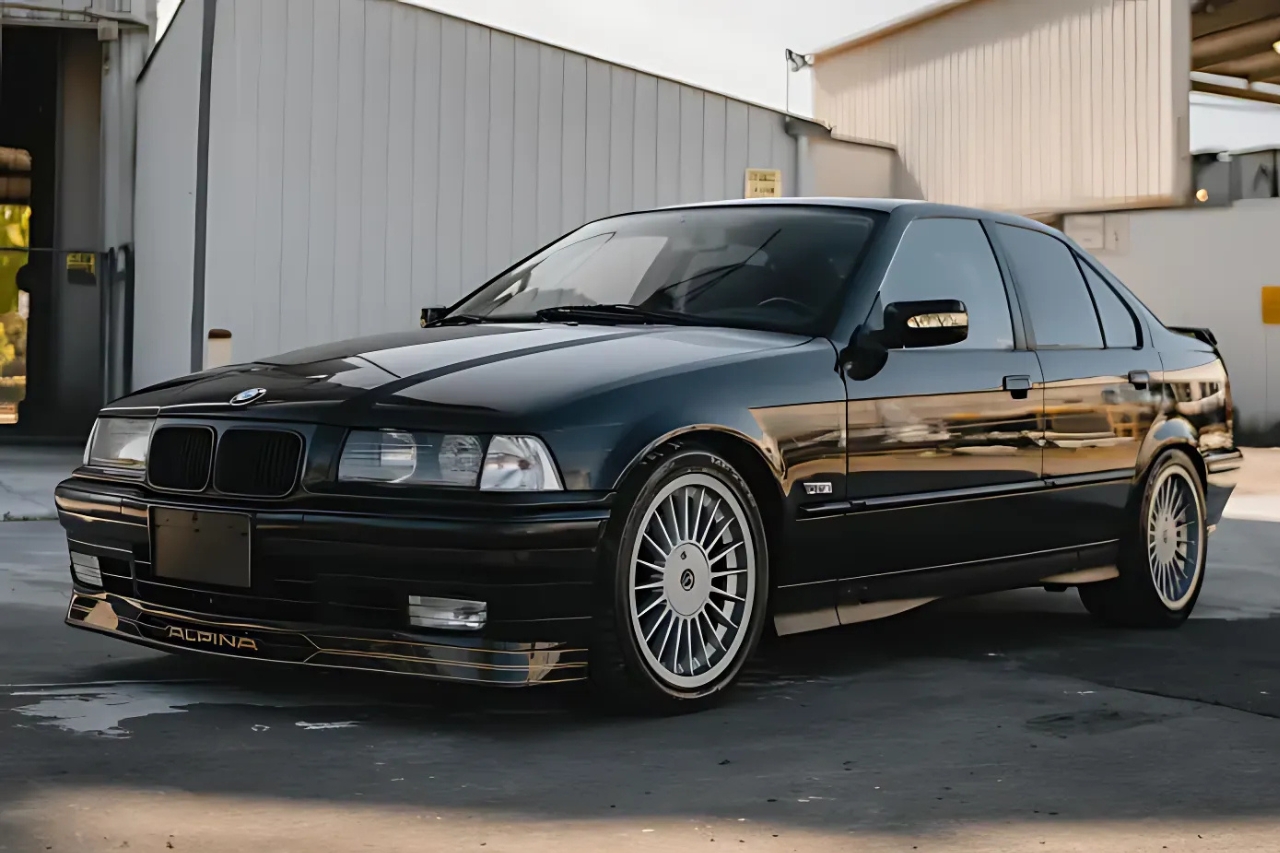
The BMW M50 engine appeared in several beloved models throughout the 1990s. Most notably, it powered versions of the E34 520i, 525i, and the E36 320i and 325i. These vehicles became favorites among enthusiasts for their balance of performance and refinement. The M50 also made its mark in North America with the E36 325i, which became a cornerstone for BMW fans. This wide use helped the M50 gain a reputation as one of BMW’s most versatile engines.
| Model | Years | Engine Variant | Power Output |
|---|---|---|---|
| BMW E34 520i | 1990–1995 | M50B20 | 148 hp |
| BMW E34 525i | 1990–1995 | M50B25 | 189 hp |
| BMW E36 320i | 1991–1995 | M50B20 | 148 hp |
| BMW E36 325i | 1991–1995 | M50B25 | 189 hp |
How Did the M50 Engine Compare to Its Predecessors?
Before the BMW M50 engine, BMW’s lineup included the M20 series, which was simpler in design with two valves per cylinder. The M50 brought significant improvements such as DOHC architecture and the use of modern fuel injection systems. These upgrades not only enhanced power delivery but also improved efficiency and reduced emissions. Drivers noticed smoother revving, more responsive throttle performance, and a generally more refined driving experience compared to the M20.
Why Is the BMW M50 Engine Considered Reliable?
Reliability is one of the most praised aspects of the BMW M50 engine. Built with a cast-iron block and aluminum head, it was designed to handle high mileage with proper maintenance. Many owners report these engines reaching well over 300,000 km without major overhauls. Unlike some of its successors, the M50 avoided complex electronic systems that could cause frequent issues, making it easier to maintain. Enthusiasts and mechanics alike appreciate its blend of durability and simplicity.
What Were the Key Technical Features of the BMW M50 Engine?
The M50 introduced several advanced features that made it stand out. Key highlights include:
- Double Overhead Camshafts (DOHC): For improved valve control and efficiency.
- Four Valves per Cylinder: Enhancing airflow and combustion.
- Bosch Motronic Fuel Injection: Delivering precise fuel management.
- Cast Iron Block with Aluminum Head: Combining strength and weight reduction.
- Optional VANOS (from 1992 onward): BMW’s variable valve timing system improved torque delivery at lower RPMs.
Together, these features created a balance of power, smoothness, and fuel economy that was rare in the early 90s.
How Does the BMW M50 Engine Perform in Modern Times?
Even decades later, the BMW M50 engine remains highly respected. Tuners and collectors often seek it out because of its smooth inline-six configuration and excellent aftermarket support. With proper modifications, it can comfortably produce more power than it did in stock form, making it a popular choice for E36 track builds. For those looking to restore or upgrade, suppliers like Home of Engines offer quality replacements to keep these classics on the road.
What Common Issues Should BMW M50 Owners Watch Out For?
Although the BMW M50 engine is known for reliability, like any aging engine, it has its quirks. The most common issues include:
- Cooling system failures due to old radiators or water pumps.
- Oil leaks from valve cover gaskets.
- VANOS seal wear on later versions, affecting low-end torque.
- Aging rubber hoses leading to vacuum leaks.
Regular preventative maintenance can solve most of these problems before they become serious. Home of Engines Services also provides support to address such engine concerns professionally.
Can the BMW M50 Engine Be Swapped into Other Cars?
Yes, the BMW M50 engine is a favorite for engine swaps, especially into older E30 models and even non-BMW vehicles. Its strong aftermarket support, availability of parts, and robust design make it a prime candidate for those looking to enhance performance. However, swaps require careful planning around engine mounts, wiring, and ECU compatibility. For anyone considering such a project, exploring available second-hand BMW engines is a smart first step.
How Does the BMW M50 Engine Compare to Modern BMW Engines?
Modern BMW engines are often turbocharged and packed with electronic systems for efficiency and emissions control. While these deliver impressive performance, they lack some of the simplicity and mechanical feel that the BMW M50 engine provides. Enthusiasts often prefer the M50 for its naturally aspirated responsiveness, tuning potential, and raw driving experience — qualities that many feel are missing from today’s engines.
Where Can You Find a Replacement or Rebuilt BMW M50 Engine Today?
Finding a quality replacement M50 is easier than you might expect. In South Africa, imported engines for sale in Johannesburg include the BMW M50, ensuring you can restore or upgrade your classic without compromising performance. Reputable suppliers inspect and service their engines before sale, helping you avoid the risks of buying from unknown sources. For those considering alternatives, Home of Engines Brands also offers a wide selection of other makes, including Audi, Toyota, and Mercedes.