
Engines
Complete Guide To The Camry 3.0 V6 Engine: Specs, Reliability, And Hidden Weak Points
Home of Engines & Gearboxes · 14 November 2025 · 7 min read
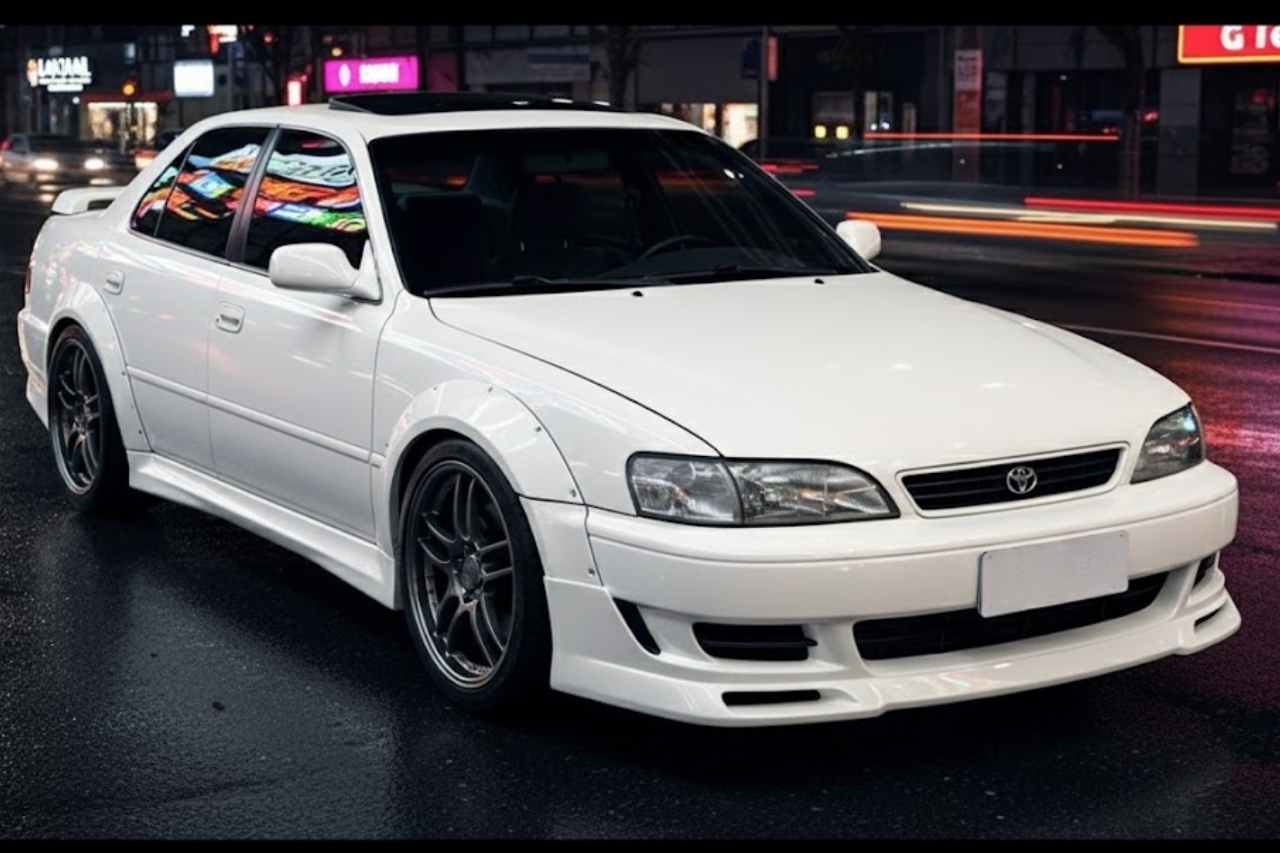
Camry 3.0 V6 Engine owners and buyers need a clear, practical reference to understand specs, reliability, maintenance, and replacement options — especially when sourcing used or imported engines in South Africa.
Note: actual outputs vary by market, emission specs and uprated variants. According to Wikipedia, the Camry line has evolved through many engine families since its introduction, so always confirm exact engine code (e.g., 1MZ-FE, 3MZ-FE) when buying parts or a replacement engine.
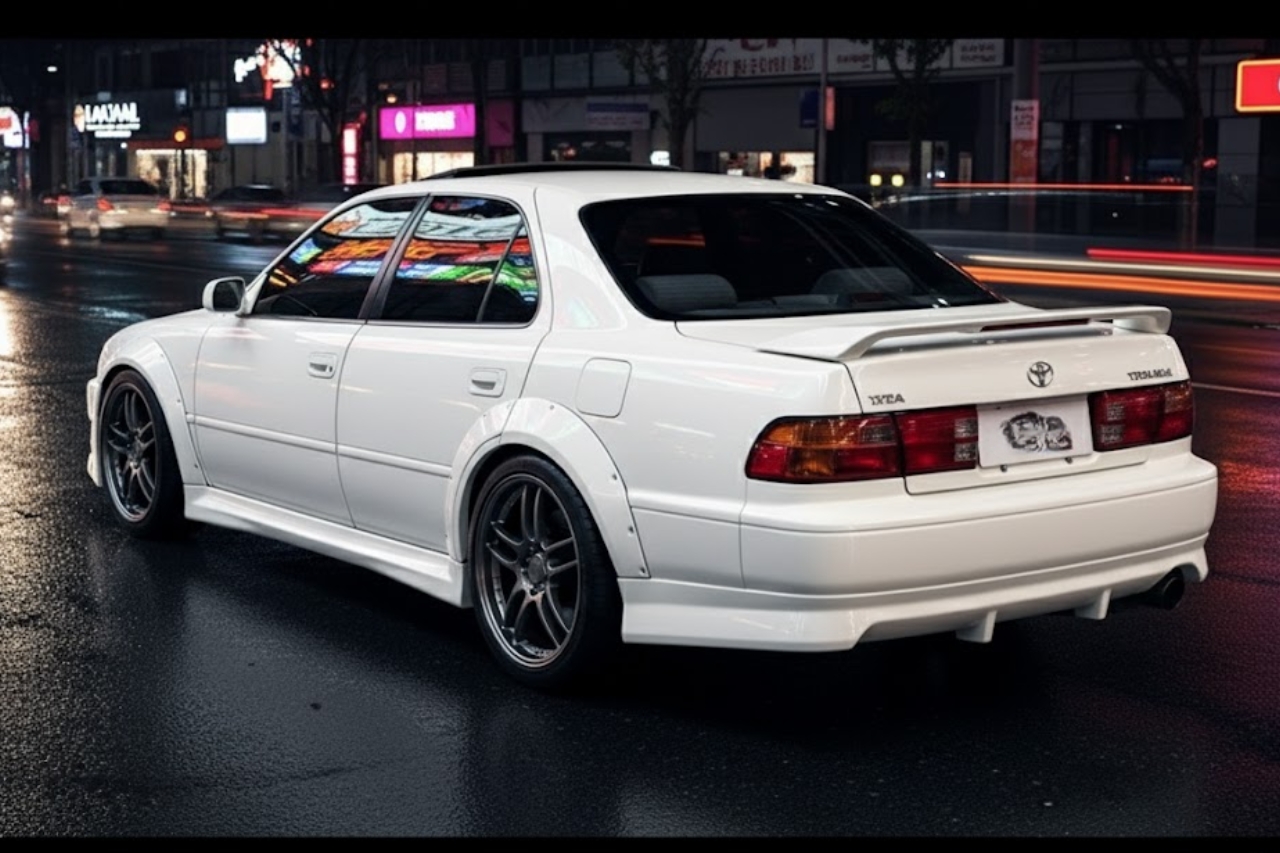
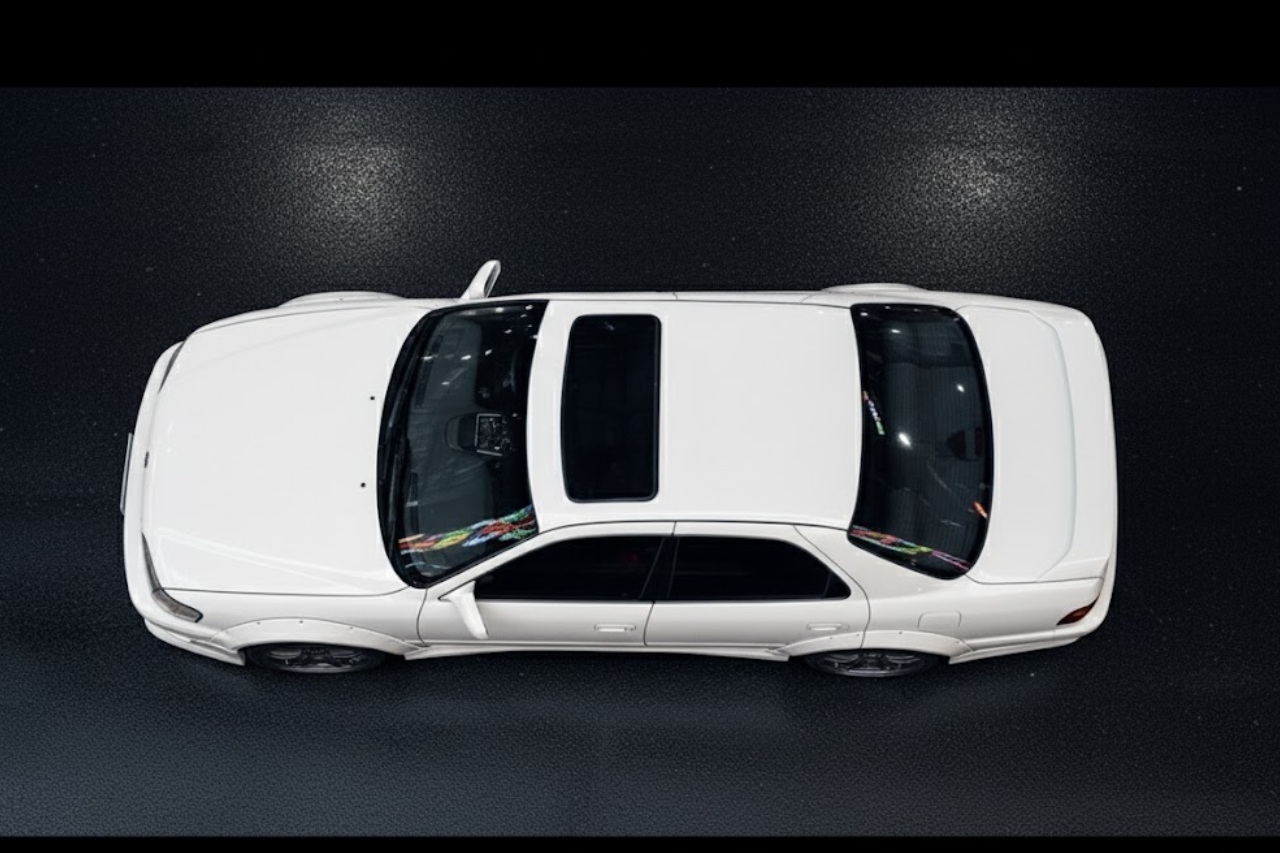

What are the specifications of the Camry 3.0 V6 Engine?
The Camry 3.0 V6 Engine is best known for its smooth V6 character, middle-tier displacement and balanced power delivery. Common factory specifications across market variations include a 3.0-litre displacement (V6), multi-point fuel injection or sequential fuel injection, aluminium or iron block depending on generation, and an output that typically ranges between roughly 150–210 kW depending on tuning, emission controls and regional model year. Below is a concise spec table representative of popular 3.0 V6 Camry variants.| Attribute | Typical Value |
|---|---|
| Displacement | 3.0 litres (V6) |
| Configuration | V6, 60° |
| Fuel | Petrol (gasoline) |
| Power (approx.) | 150–210 kW (model/year dependent) |
| Timing | Chain (many versions) or belt on older variants |
| Common applications | Toyota Camry, some Lexuses and rebadged models |
How reliable is the Camry 3.0 V6 Engine long-term?
The Camry 3.0 V6 Engine enjoys a strong reputation for longevity when properly maintained. Many examples exceed 300,000 km with routine oil changes, cooling system care and timely accessory maintenance. The V6's robust bottom end and conservative tuning contribute to durability, making it a frequent choice for mechanics and fleet owners seeking second-hand engines. According to the RMI (Retail Motor Industry Organisation) guidance commonly used in South Africa, buyers should prioritise suppliers that provide a minimum 3-month warranty and clearly documented mileage history when purchasing second-hand engines. According to Home of Engines inventory reports, UK-imported low-mileage engines sold into South Africa are commonly offered complete with alternator, pumps and ancillaries to simplify installation and reduce hidden costs.What common weak points or hidden issues should I watch for?
Even dependable engines have weak points. For the Camry 3.0 V6 Engine typical issues include oil consumption on high-mileage examples, valve cover gasket leaks, intake manifold gasket deterioration, and in some older variants thermostat or water pump failures that lead to overheating if ignored. Timing component wear (tensioners/guides) can create noise or timing-related faults on models with chains or belts approaching recommended service intervals. Hidden issues are often revealed only after installation of a second-hand unit: clogged oil pickup strainers from sludge, damaged sensor harnesses from shipping, or missing ancillaries (alternator, AC compressor) that add cost. Insist on a full inspection, compression or leak-down test and a clear list of included accessories when evaluating an imported or second-hand Camry 3.0 V6 Engine in South Africa.
Does the Camry 3.0 V6 Engine use a timing belt or chain and what maintenance is required?
Timing design varies by engine code and year. Many modern Camry 3.0 V6 Engine variants use a timing chain designed to last the engine's life, while older V6s used belts that need scheduled replacement. Regardless of design, recommended maintenance includes checking tensioners and guides, monitoring for chain/belt noise, and replacing wear items during a major service to avoid catastrophic failure.- If chain-driven: inspect tensioners and guides, change oil on schedule to avoid accelerated wear.
- If belt-driven: replace according to manufacturer intervals (often 90,000–160,000 km depending on model).
- Always replace water pump and ancillary seals when performing timing belt jobs.
How does performance and fuel economy compare to alternatives?
The Camry 3.0 V6 Engine balances smoothness and mid-range torque rather than outright performance. Compared to four-cylinder turbo alternatives, it delivers more linear torque and a quieter experience, at the expense of slightly higher fuel consumption. Fuel economy in real-world mixed driving typically ranges higher than modern small-displacement turbo engines, but many drivers prefer V6 drivability and reliability for towing or heavier loads. If fuel economy is a priority, consider newer petrol direct-injection or hybrid Camry options; if load-carrying or durability under constant high loads matters (e.g., bakkies adapted for petrol V6), the Camry 3.0 V6 Engine remains a sensible compromise.Can I tune or upgrade a Camry 3.0 V6 Engine for more power?
Yes — the Camry 3.0 V6 Engine responds well to sensible bolt-on upgrades: higher-flow intake, freer exhaust, and ECU remap (where compatible) can yield reliable gains. More advanced internal upgrades such as higher-compression pistons or modified cam profiles require careful planning and strong bottom-end upgrades, but modest power increases are achievable without compromising reliability if done professionally. For South African workshops, sourcing performance parts may require importation; always ensure parts and tuning are compatible with local emissions and registration requirements. Mechanics and fleet owners typically favour conservatively tuned engines to maintain longevity and warranty coverage.What are my options for replacement Camry 3.0 V6 Engine units in South Africa?
Buyers in South Africa can choose between local rebuilt engines, second-hand domestic units, and imported low-mileage engines (commonly UK- or Japan-imported). Each option has trade-offs:- Local rebuilt: labour and parts replaced, quicker availability, variable quality depending on the rebuilder.
- Second-hand domestic: lower cost but potentially higher mileage and unknown history.
- Imported low-mileage: typically higher cost but better documented mileage and included ancillaries for easier fitment.
How do warranties, costs and nationwide delivery work for used Camry 3.0 V6 Engine purchases?
Warranties and delivery policies vary by supplier. Reputable South African suppliers, particularly RMI-approved firms, commonly include a 3-month warranty on engines and gearboxes that covers core mechanical failures but excludes wear-and-tear items unless explicitly stated. Shipping nationwide is standard, but confirm whether the unit is delivered crate-mounted, whether ancillaries (alternator, pumps, turbo where applicable) are included and whether fitting or testing is part of the service. Costs depend on mileage, inclusion of ancillaries, crate condition and whether the engine is a complete drop-in unit. To control total project costs, insist on a clear list of what’s included (ECU, alternator, starter, manifolds) and on expert support to verify compatibility before purchase. Home of Engines lists completed engine packages and also provides services for gearbox and installation via their services page: engine and gearbox services.How do I ensure compatibility with gearboxes and my vehicle?
Compatibility is critical. Engines might fit multiple models but variations in bellhousing, ECU, transmission model (automatic vs manual), drivetrain layout and wiring harness demand careful verification. When ordering a Camry 3.0 V6 Engine replacement, identify the original engine code, transmission code and year of manufacture. Checklist for compatibility verification:- Match engine code and year range.
- Confirm transmission type (automatic/manual) and mount points.
- Verify ECU and immobiliser compatibility or plan for ECU swap/adaptation.
- Ask supplier about included gearbox or recommend compatible gearboxes.
What does a typical installation and service look like for a replacement Camry 3.0 V6 Engine?
Installation typically involves removal of the old engine, health checks of the gearbox and ancillaries, fitting of the replacement unit with all included accessories, ECU and immobiliser adaptation, fluid top-ups and a staged break-in or run-in procedure. Many workshops recommend replacing wear items — belts/hoses/thermostat/water pump — at installation to prevent short-term rework. Professional suppliers in South Africa often offer fitting services or can recommend certified installers. For fleet owners, coordinated pickup, delivery, installation and a warranty handover reduces downtime and helps compliance with local registration processes.Should mechanics and fleet owners prefer low-mileage imported engines or rebuilt units?
The choice depends on budget, downtime tolerance and acceptable risk. Low-mileage imported engines (often UK-imported) cost more but reduce uncertainty and often come complete with ancillaries, which lowers fitting time. Rebuilt units can be cost-effective but require trust in the rebuilder’s standards and parts quality. For high-use applications such as bakkies or fleet cars, many fleet managers prioritise low-mileage imported units for predictable reliability, while independent mechanics may prefer rebuilt engines that balance cost and turnaround. According to Home of Engines stock notes, many customers in South Africa choose imported low-mileage Camry 3.0 V6 Engine packages with alternator, pumps and ECU included to simplify the swap and reduce hidden costs. For broader brand coverage and options across vehicle types consult the brands index and service pages: Mercedes or Ford listings for comparative sourcing strategies.