
Engine for Sale in South Africa: How to Choose the Right Replacement
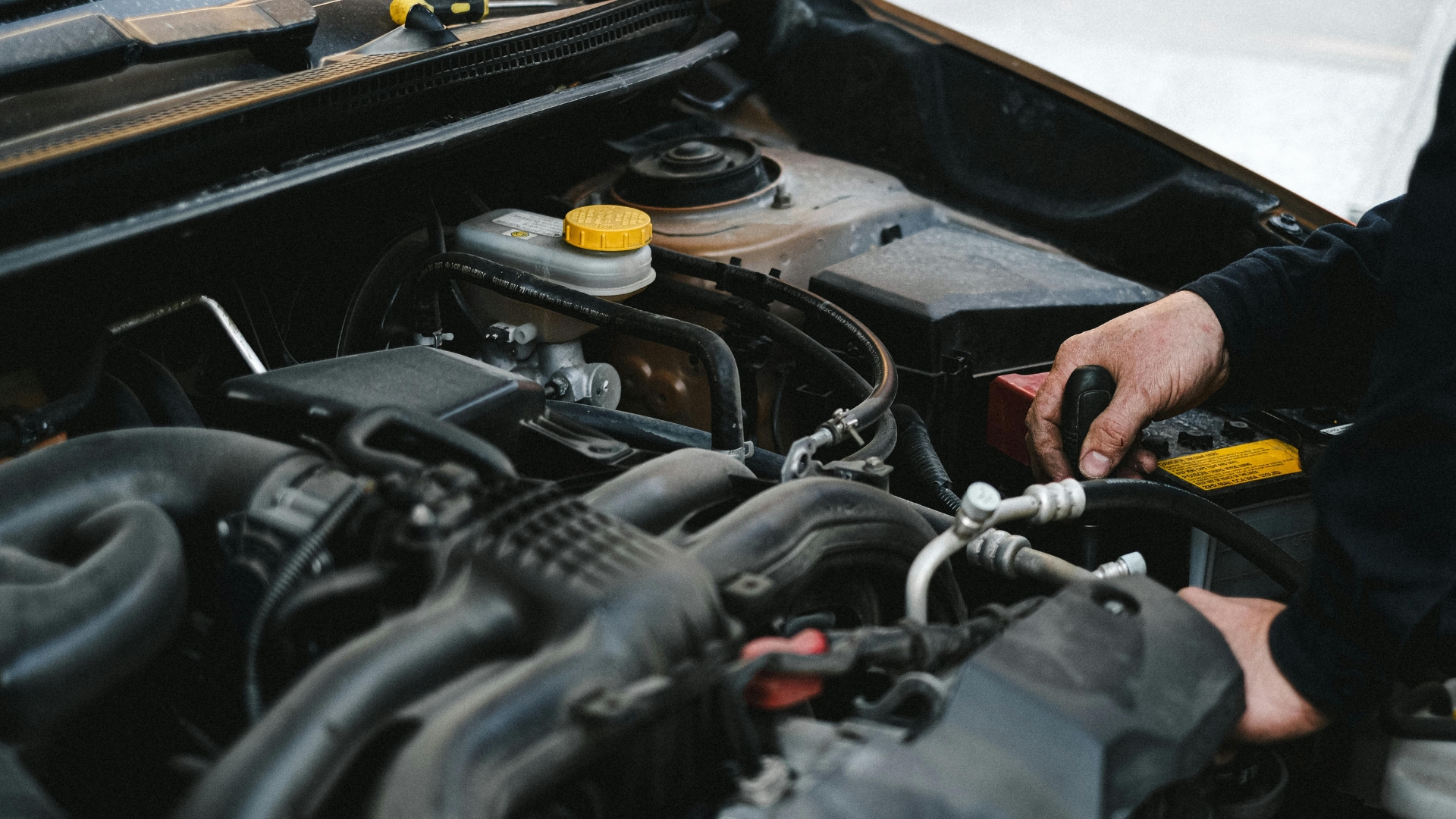
Buying the correct replacement engine requires more than finding an engine for sale in South Africa at the right price. The engine must match the vehicle model, engine code, fuel type, transmission pairing, electronics and installation requirements before the order is finalised.
Home of Engines supplies imported engines across South Africa and assists buyers with stock checks, compatibility support, warranty information and delivery arrangements. Before you choose a replacement engine, use the checks below to reduce the risk of ordering the wrong unit.
1. Start With the Correct Vehicle Details
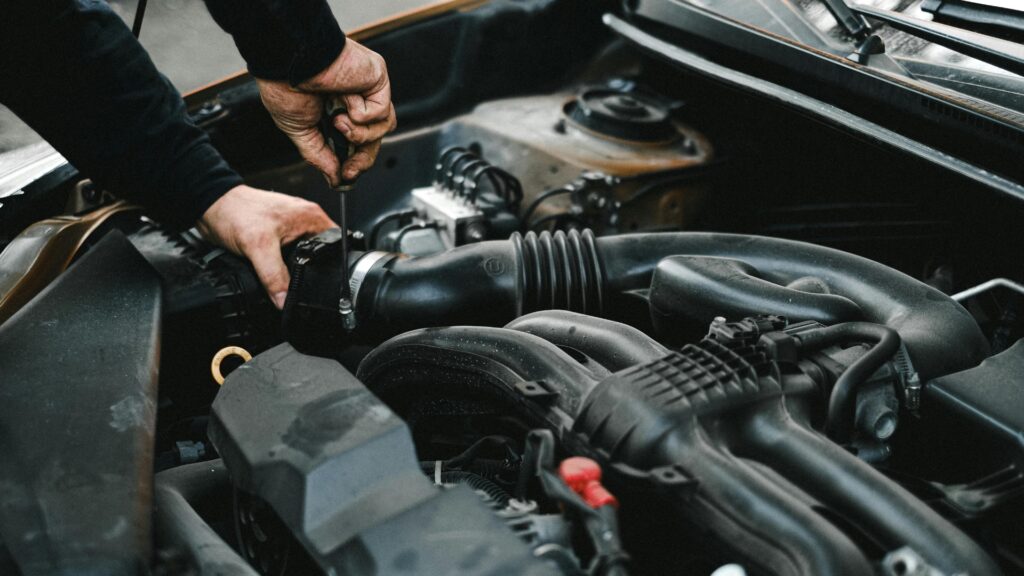
The first step is to confirm the exact vehicle information. Many vehicles were sold with different engine options in the same model range, and small differences can affect fitment. A vehicle badge alone is not enough to confirm the correct replacement engine.
When requesting a quote, send the vehicle make, model, year, engine size, fuel type and VIN where available. If the vehicle has already had an engine replacement in the past, the current engine details should also be checked. The replacement engine must match the engine actually fitted to the vehicle, not only the original model description.
You can view available replacement options through the Home of Engines engine brands section.
2. Check the Engine Code
The engine code is one of the most important fitment details. It helps identify the engine family, version and application. Two engines may look similar from the outside but still have different sensors, mounting points, manifolds, wiring, injectors or control requirements.
The engine code may be found on the engine block, licence disc records, service documents, dealership records or diagnostic reports. If the code is not visible, send clear photos of the engine bay and any labels or markings that may help with identification.
For buyers searching for an engine for sale South Africa wide, the engine code helps the supplier compare stock correctly before quoting.
3. Confirm Petrol or Diesel Application
Petrol and diesel engines have different fuel systems, ignition systems, compression requirements and supporting components. A replacement engine must be checked against the correct fuel type before ordering.
Diesel engines may require additional checks around injectors, turbo setup, high-pressure fuel pump, ECU compatibility and emission-related components. Petrol engines may require checks around ignition coils, intake setup, throttle body, sensors and wiring connections.
Do not rely only on engine size. A 2.0 petrol engine and a 2.0 diesel engine are completely different units, even if the vehicle model is the same.
4. Match the Engine to the Gearbox
The engine must also match the gearbox or transmission setup. Manual and automatic vehicles may use different flywheels, torque converters, sensors, engine mounts and ECU programming. A replacement engine that fits a manual vehicle may not always be suitable for an automatic version without additional changes.
If the gearbox has also failed or the vehicle needs drivetrain support, it is worth checking the gearbox brands section at the same time. Matching the engine and gearbox correctly can help avoid delays once the vehicle reaches the workshop.
5. Ask What Is Included With the Engine
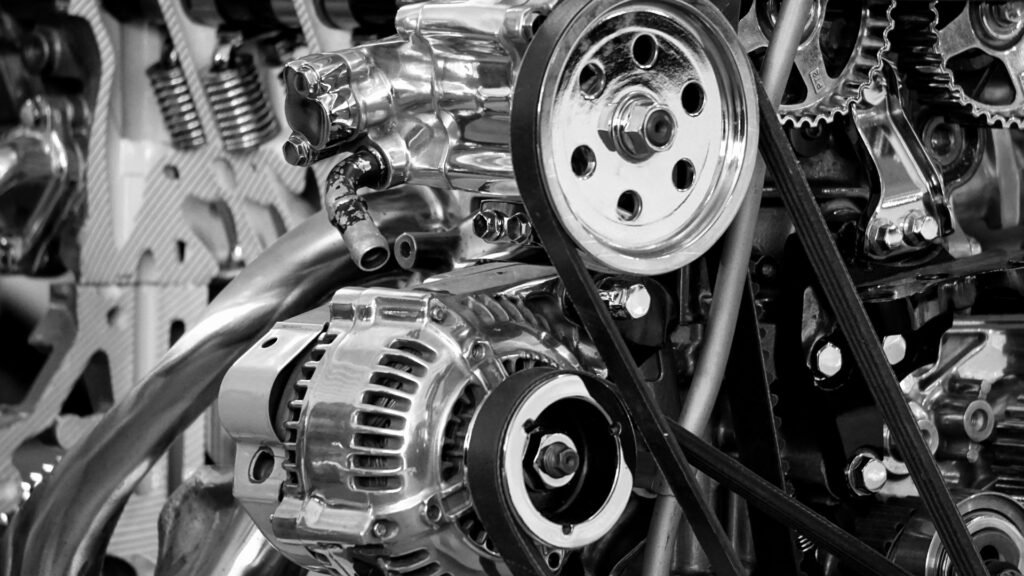
Before buying, confirm what is included with the engine. Some replacement engines are supplied as bare engines, while others may include selected accessories. Do not assume that items such as alternators, starters, turbos, injectors, manifolds, wiring looms or ECUs are included unless this is confirmed in writing.
Workshops often reuse certain parts from the old engine, depending on condition and compatibility. This is why it is important to understand what is being supplied and what the installer must transfer or replace during fitting.
| Engine Detail to Check | Why It Matters |
|---|---|
| Engine code | Helps confirm the correct engine family and version. |
| Vehicle model and year | Separates model generations, facelifts and specification changes. |
| Fuel type | Confirms whether the engine is petrol or diesel. |
| Transmission pairing | Checks whether the engine must suit a manual or automatic vehicle. |
| Included components | Clarifies what is supplied with the engine and what must be reused. |
| Warranty terms | Confirms cover, conditions and installation requirements before purchase. |
6. Confirm Engine Condition and Availability
Availability should be confirmed before a quote is finalised. Stock can change, especially with imported engines, so the correct unit should be checked against the buyer’s vehicle details before payment is made.
Ask what condition details can be confirmed, whether the engine is suitable for the requested application and whether any supporting information is available. The supplier should also confirm pricing, warranty terms and delivery options before the order is completed.
Home of Engines works with buyers who need engine replacement support across South Africa. You can also visit the main Home of Engines website for more information about available stock and sourcing support.
7. Understand the Warranty Before Installation
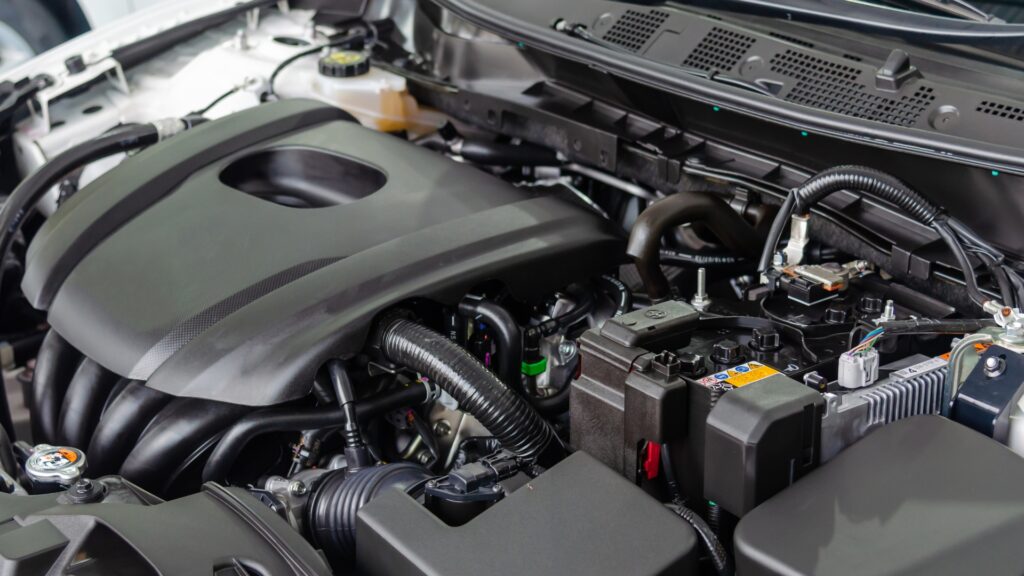
Warranty terms should be checked before buying the engine. Ask how long the warranty applies, what it covers, what documents are required and whether the engine must be installed by a qualified workshop.
Most warranty conditions depend on correct installation and proper supporting repairs. A replacement engine can fail if the original cause of failure is not fixed. Cooling system faults, oil starvation, blocked radiators, faulty thermostats, damaged injectors, contaminated fuel systems or poor installation practices can all affect the replacement engine.
Before the vehicle is started, the workshop should check oil, coolant, filters, belts, hoses, mounts, sensors and fault codes. These steps help protect the replacement engine and reduce the chance of repeat failure.
8. Plan Delivery Before You Buy
Engines are heavy and must be transported correctly. Before ordering, confirm the delivery area, workshop address, contact person and delivery requirements. If the engine is being sent directly to a workshop, make sure the workshop is expecting the delivery and can inspect the unit when it arrives.
Delivery costs, timing and collection options should be confirmed before payment. This helps avoid delays once the engine has been sourced.
9. Avoid Buying on Price Alone
The cheapest engine is not always the best option if the fitment is uncertain or the warranty terms are unclear. Ordering the wrong engine can create extra labour costs, transport costs and workshop delays.
A better approach is to compare fitment support, supplier experience, stock confirmation, warranty conditions and delivery support. With major mechanical parts, the correct engine matters more than a low price without proper checks.
10. What to Send When Requesting an Engine Quote
To help Home of Engines check the correct replacement engine, send the most complete information available. This gives the supplier a better chance of identifying the right unit before quoting.
- Vehicle make and model
- Year model
- Engine size
- Petrol or diesel
- Engine code if available
- VIN if available
- Manual or automatic transmission
- Photos of the current engine where possible
- Delivery area or workshop location
- Any information from the mechanic or diagnostic report
You can read more about how engines work through this general internal combustion engine reference, but the final replacement engine must always be checked against the exact vehicle details.
Buying an Engine from Home of Engines
Home of Engines supplies imported engines for buyers across South Africa. If you are looking for an engine for sale, confirm your vehicle details before requesting a quote so the correct replacement option can be checked.
For assistance, contact Home of Engines with your vehicle model, year, engine code, fuel type and VIN where available.