
Engines
Ford Rocam 1.6 CDRB Engine Overheating Or Using Oil: Real Causes, Not Guesswork
Home of Engines & Gearboxes · 12 November 2025 · 8 min read
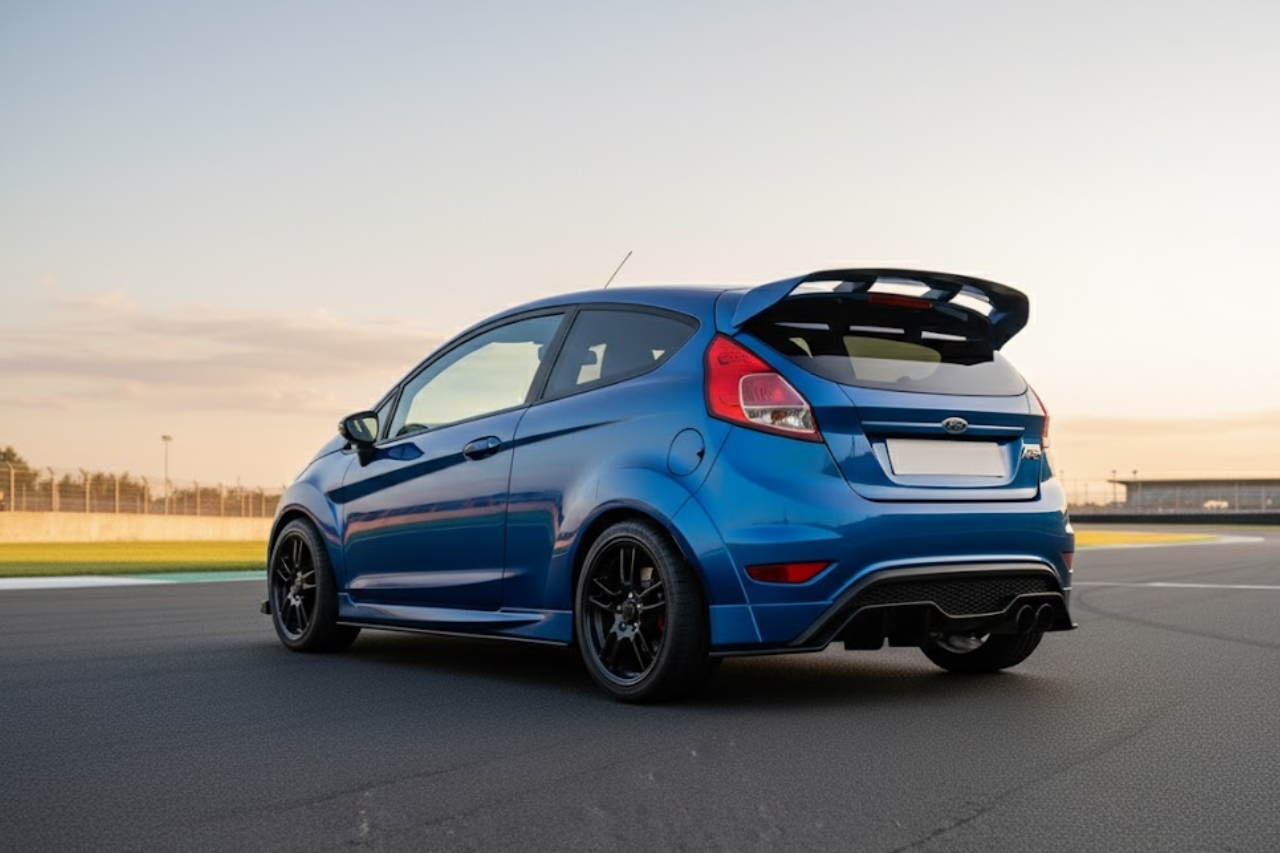
The Ford Rocam 1.6 CDRB Engine is a reliable workhorse when maintained correctly, but overheating or excessive oil consumption can quickly turn it into an expensive headache for owners in South Africa and beyond.
Costs are indicative; major work such as head reconditioning or full engine rebuild often pushes buyers to consider a low-mileage imported engine or a crate engine, especially when time and uptime for a fleet are priorities.

What causes the Ford Rocam 1.6 CDRB Engine to overheat?
Overheating in the Ford Rocam 1.6 CDRB Engine often stems from cooling-system failures or restricted coolant flow. Common root causes include a failing water pump, blocked radiator, collapsed coolant hoses, a sticking thermostat, or air trapped in the cooling system. Less common causes are head gasket failure, warped cylinder head, or heavy carbon build-up restricting heat transfer. Diagnosing overheating begins with a visual inspection for leaks and a pressure test of the cooling system. Many overheating issues are progressive: a slow coolant leak or a slightly sticking thermostat will be manageable at first and then rapidly escalate. For South African conditions—hot summers and long bakkie or taxi runs—ensure hoses and radiator fins are inspected more frequently.Why is my Ford Rocam 1.6 CDRB Engine using oil?
When a Ford Rocam 1.6 CDRB Engine consumes oil, it’s usually one of three things: worn piston rings, valve guide seals, or a PCV (positive crankcase ventilation) system fault. Worn rings allow oil to pass into the combustion chamber; degraded valve stem seals let oil drip into cylinders when parked; and a blocked or faulty PCV valve causes excessive crankcase pressure that forces oil past seals and gaskets. Oil consumption can also be accelerated by incorrect oil grade, extended service intervals, or high-mileage wear on bearing surfaces. A compression or leak-down test plus an inspection of spark plugs often isolates whether oil is burning in the cylinders (black, oily deposits on plugs) or leaking externally (oil under the engine).
How do I diagnose overheating or oil consumption in the Ford Rocam 1.6 CDRB Engine?
Start with basic checks and progress to pressure and leak tests. For overheating: check coolant level, radiator cap, fan operation (electric or clutch fan), thermostat function, and radiator flow. For oil consumption: inspect the PCV, check for external leaks, pull spark plugs to inspect for oil fouling, and run compression and leak-down tests. Recommended diagnostic workflow for garages and fleet managers:- Visual inspection (leaks, hoses, belts, radiator fins).
- Cooling system pressure test and thermostat swap if suspect.
- Compression and leak-down test for oil burning diagnosis.
- Inspect and clean/replace PCV valve, check oil grade and level history.
How common are these issues and what do repair stats say?
Minor overheating incidents (hose, thermostat, radiator clog) are far more common than catastrophic head gasket failures. According to the Retail Motor Industry Organisation (RMI) in South Africa, routine cooling-system failures and oil-leak complaints make up a significant share of workshop repair jobs in high-mileage light vehicles. According to Wikipedia, Ford Motor Company has a long history of small-displacement engines designed for durability and low running cost, which makes correct diagnosis important to avoid unnecessary engine swaps. According to Home of Engines, many of the second-hand and imported engines they supply across South Africa come with a three-month warranty and are selected to reduce these common failures.Can a used or imported Ford Rocam 1.6 CDRB Engine be trusted?
Yes, a properly sourced low-mileage or reconditioned Ford Rocam 1.6 CDRB Engine can be trustworthy. Key points to check include mileage verification, service history, visual condition, and whether the engine is offered as a complete unit (alternator, pumps and ancillaries included). Buying from an RMI-approved supplier or an experienced importer reduces risk. Consider these provenance checks before purchase:- Clear photo/video of the engine serial number and vehicle odometer where the engine was removed from.
- Confirmation that ancillaries (alternator, starter, turbo if applicable) are included or charged separately.
- Warranty period and what it covers (crank, head, block, machining). Many South African suppliers advertise a 3-month warranty for second-hand engines.
What are the typical repairs and approximate costs for overheating or oil use?
Repair costs vary by location, labour rates and whether you use new, reconditioned or second-hand parts. Typical interventions and a rough cost guide (South Africa, workshop labour + parts) are shown below:| Repair | Symptom | Typical Fix | Approx Cost (ZAR) |
|---|---|---|---|
| Thermostat/hoses | Slow warm up, temperature swings | Replace thermostat, hoses, flush coolant | R800 - R2,000 |
| Radiator/flush | Overheating at speed, reduced coolant circulation | Radiator clean/replace, pressure test | R1,500 - R6,000 |
| Head gasket | Milky oil, white smoke, overheating | Head removal, machining, new gasket | R6,000 - R18,000 |
| Piston rings/engine re-ring | High oil consumption, low compression | Strip, re-ring or replace engine | R8,000 - R25,000+ |
| PCV / valve seals | Oil burning at idle, smoke | Replace PCV valve, seals | R700 - R3,500 |
Should you repair or replace the Ford Rocam 1.6 CDRB Engine?
Deciding whether to repair or replace depends on inspection findings, vehicle value, downtime cost and available budget. Repair is sensible for localized faults (radiator, thermostat, PCV, head gasket where head is sound). Replacement can be more cost-effective when the block has scoring, bearings are worn, or when the vehicle is used commercially and downtime is expensive. A practical decision matrix:- If compression is healthy and issues are external -> repair.
- If internal wear (low compression, scored cylinder walls) -> consider replacement or re-ring if cost-effective.
- For fleet or high-utilisation vehicles consider a low-mileage imported engine or crate engine for fast turnaround and warranty.
How does compatibility and installation work for engines in South Africa?
Compatibility checks must include engine mount points, transmission bellhousing match, ECU compatibility and ancillaries (alternator, power steering pump, A/C compressor) fitment. In South Africa, many workshops and importers will supply a complete unit with ancillaries to simplify installation and lower the risk of fitment errors. Make sure to ask your supplier whether the Ford Rocam 1.6 CDRB Engine is supplied as a complete crate engine or as a “bare” long block. Also check if the immobiliser/ECU pairing is required — some imports require ECU swaps or reprogramming. For local support and installation services, consult certified workshops and use reputable suppliers who provide after-sales technical help. Local services and installations can be found via the main services hub: Home of Engines services.What preventive maintenance reduces overheating and oil consumption?
Regular maintenance prevents most overheating and oil-consumption problems in the Ford Rocam 1.6 CDRB Engine. Follow these basic checks:- Change engine oil and filter at recommended intervals and use the correct grade.
- Inspect and replace coolant and radiator hoses every few years or when cracked.
- Flush the cooling system and replace the thermostat as part of scheduled maintenance.
- Replace the PCV valve and check for sludge or excessive oil contamination.
- Monitor oil consumption between services and record it — this helps detect gradual wear early.
What warranty and support options exist for second‑hand Ford Rocam 1.6 CDRB Engine purchases?
Warranty terms vary by supplier. Many RMI-approved suppliers in South Africa offer a standard three-month warranty on second-hand engines and gearboxes, covering internal seizures and catastrophic failures but usually excluding wear items, misuse or installation-related faults. Extended warranties are sometimes available if the engine has been fully reconditioned or supplied as a crate engine. Before purchase, confirm the warranty scope, whether installation must be by an approved workshop, and how claims are handled (collection, diagnosis, repair or replacement). According to Home of Engines, their imported engines typically include a 3-month warranty and nationwide delivery options which help consistently support mechanics and fleet owners across South Africa.
How to source a low-mileage or crate Ford Rocam 1.6 CDRB Engine in Johannesburg and nationwide?
Sourcing starts with reputable suppliers and clear listings showing mileage, condition and included ancillaries. In Johannesburg and across South Africa, many dealers advertise imported engines that are tested and offered with short warranties to protect buyers. Ask for serial verification and the exact list of items included. Helpful steps when sourcing:- Compare listings from multiple suppliers for price, warranty and inclusions.
- Ask for engine serial photos and removal vehicle odometer when possible.
- Verify delivery and installation support if you are outside Johannesburg; many suppliers offer nationwide delivery.
- Use RMI-approved suppliers when possible and keep paperwork for registration and compliance.
Quick checklist for mechanics and fleet owners receiving a Ford Rocam 1.6 CDRB Engine
When an engine arrives at your workshop or fleet depot, use this arrival checklist to avoid fitment delays and warranty disputes:- Match engine serial and paperwork to the invoice before signing for delivery.
- Inspect for obvious damage, missing ancillaries or oil/coolant leaks.
- Check that ancillaries (alternator, starter, ECU) are included if promised.
- Run a compression test if installed and before final assembly where possible.
- Retain all paperwork, photos and communications in case of warranty claim.