
Is the Nissan Micra Engine More Powerful Than You Think? The Truth in 2025
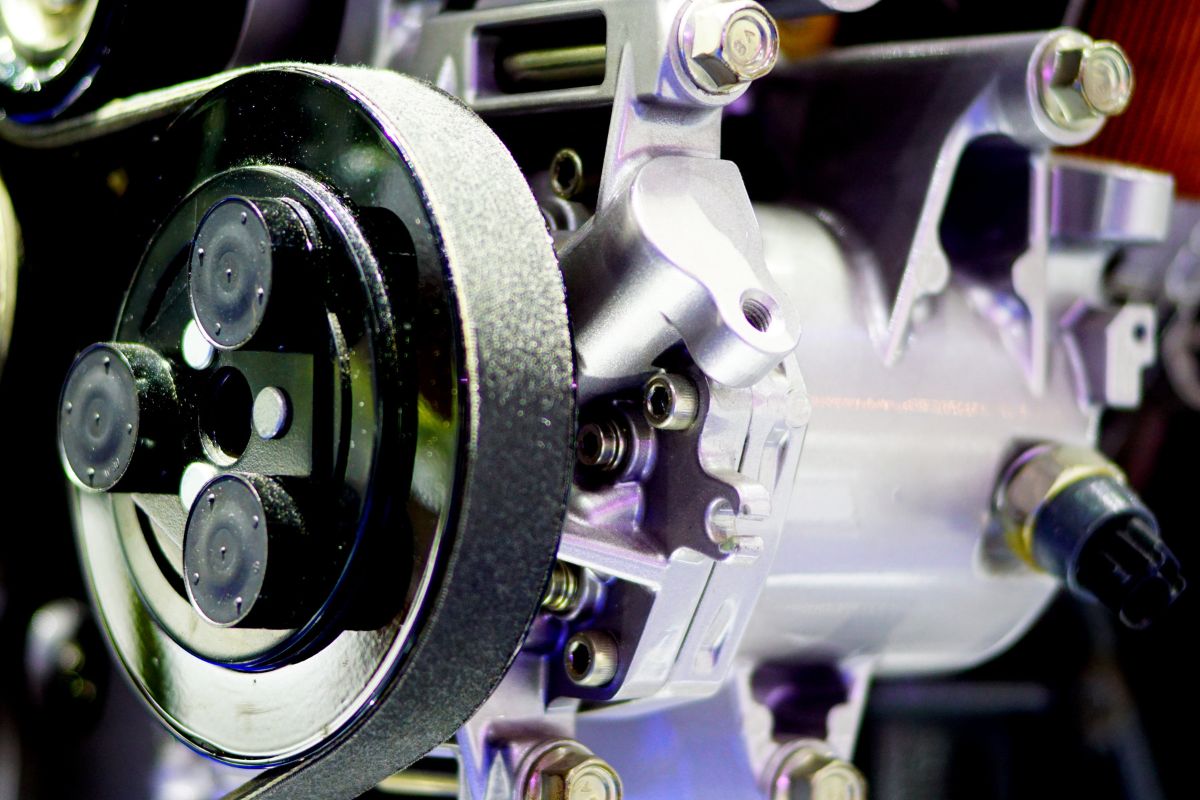
What makes the Nissan Micra engine unique in its class?
The Nissan Micra engine has long been underestimated, but in 2025, it’s proving to be far more capable than many assume. While the Micra has always been positioned as an economical city car, its engine lineup—especially in newer generations—offers a surprisingly agile and responsive driving experience. The latest Micra engines combine turbocharged performance with clever engineering to provide solid mid-range torque, excellent fuel efficiency, and urban drivability that rivals bigger competitors. It’s this balance of performance and practicality that sets the Nissan Micra engine apart from other compact hatchbacks in its category.
What are the core specs of the Nissan Micra engine in 2025?
Depending on the generation, the Nissan Micra engine comes in a variety of configurations. The latest K14 Micra (2017–present) offers a 1.0L 3-cylinder turbocharged petrol engine, which delivers a healthy 74–92 kW (100–125 hp) and torque ranging from 160 to 180 Nm. This gives it solid acceleration for a car in its weight class. Here's a breakdown of typical specs:
| Engine Variant | Displacement | Power Output | Torque | Fuel Type |
|---|---|---|---|---|
| HR10DET Turbo | 1.0L 3-cyl | 92 kW (125 hp) | 180 Nm | Petrol |
| HR09DE Naturally Aspirated | 0.9L 3-cyl | 66 kW (90 hp) | 140 Nm | Petrol |
| K9K dCi Diesel | 1.5L 4-cyl | 66–66 kW (90 hp) | 220 Nm | Diesel |
The result is a lively, frugal engine that doesn’t feel underpowered—especially compared to earlier Micra models. If you're looking for a used engine with similar output, Home of Engines and Gearboxes stocks a wide range of second-hand Nissan engines tested and ready for installation.
How does the Nissan Micra engine perform in real-world driving?
Despite its small displacement, the Nissan Micra engine performs surprisingly well in daily conditions. Thanks to turbocharging and improved torque curves, it offers zippy acceleration in city traffic and enough reserve for comfortable highway cruising. The light body of the Micra enhances this sense of agility, making the car feel peppy and responsive even with just three cylinders. Many owners report that the newer Micra engines feel smoother and more powerful than expected—especially the 1.0L turbo variants. The car’s nimble handling and low-end torque make it a joy to drive in tight urban environments.
Is the Nissan Micra engine fuel-efficient?
Fuel efficiency is one of the Nissan Micra engine’s biggest selling points. The 1.0L turbocharged engine can achieve as low as 5.0–5.5 litres per 100 km, depending on driving habits and transmission type. The diesel variant does even better, hovering around 4.0–4.3 L/100 km under mixed conditions. This level of efficiency makes the Micra ideal for daily commutes, student use, or rideshare applications. You get impressive fuel savings without sacrificing too much on acceleration or driveability. In South Africa, where petrol prices fluctuate, this balance is especially attractive to budget-conscious drivers.
What are the most common problems with the Nissan Micra engine?
While the Nissan Micra engine is generally reliable, a few issues have been reported—mostly with earlier models or high-mileage units:
- Timing chain wear in older K12 models
- Turbo lag or boost issues in the 1.0L HR10DET
- Oil leaks around the valve cover or oil filter housing
- Rough idle due to dirty throttle bodies or faulty sensors
- Clutch wear in manual transmission models
These problems are not widespread but can occur if the engine hasn’t been serviced regularly. When buying a second-hand Micra engine, it’s important to verify the engine’s service history or buy from a supplier like Home of Engines that tests and inspects each unit for quality.
How does the Nissan Micra engine compare to its rivals?
The Nissan Micra engine stacks up well against competitors like the Volkswagen Polo 1.0 TSI, Ford Fiesta EcoBoost, and Toyota Yaris 1.5L. While it may not be the fastest on paper, it offers one of the best combinations of real-world torque, economy, and maintenance costs. The Micra’s turbocharged 1.0L engine delivers similar torque to larger engines thanks to smart turbo tuning. Here’s a quick comparison:
| Model | Engine Output | Torque | Fuel Efficiency (avg.) |
|---|---|---|---|
| Nissan Micra 1.0T | 92 kW | 180 Nm | ~5.3 L/100 km |
| VW Polo 1.0 TSI | 85 kW | 200 Nm | ~5.0 L/100 km |
| Toyota Yaris 1.5 | 79 kW | 140 Nm | ~5.7 L/100 km |
In this context, the Micra punches well above its weight and holds its own against more expensive competitors. If you’re exploring other brands, Home of Engines and Gearboxes also stocks VW and Toyota engine alternatives.
Can the Nissan Micra engine be modified or tuned?
While not a performance platform by default, the Nissan Micra engine—especially the turbocharged 1.0L variant—has modest tuning potential. ECU remaps can unlock better throttle response and slight power gains, especially in the HR10DET engine. Basic bolt-ons like upgraded air intakes and exhaust systems can also enhance performance. However, due to the engine’s small displacement and design focus on efficiency, major gains are limited without compromising reliability. For those wanting more power, a full engine swap might be a better solution. In that case, Home of Engines offers performance-friendly options.

What should you check before buying a used Nissan Micra engine?
If you’re considering buying a second-hand Nissan Micra engine, check the following:
- Compression test results (to confirm internal health)
- Turbocharger condition (if applicable)
- Oil service history
- No ECU fault codes
- Signs of overheating or head gasket failure
Engines that pass these checks tend to deliver many more kilometers of reliable use. Sourcing from a reputable supplier like Home of Engines and Gearboxes ensures you’re not stuck with a poorly maintained or high-mileage unit.
What makes the Nissan Micra engine ideal for South African drivers?
South African road conditions demand engines that are fuel-efficient, low-maintenance, and easy to repair. The Nissan Micra engine meets all these needs. Its modern turbo variants offer great torque for hills and overtaking, while older naturally aspirated versions are known for their simplicity and reliability. Parts are widely available, and most mechanics are familiar with Micra engines, especially the K12 and K13 series. Plus, with the rising interest in smaller, economical cars, it’s easier than ever to find support and spares locally. Whether you’re a student, first-time buyer, or rideshare driver, it’s a solid choice.
So, is the Nissan Micra engine more powerful than you think?
Yes, the Nissan Micra engine is much more than a basic commuter powerplant. Especially in its latest turbocharged form, it delivers lively performance, excellent fuel economy, and reliability that’s perfectly suited for modern city life. While it won't beat hot hatches in a straight line, it offers just the right mix of real-world usability and driving enjoyment. If you’re in the market for a capable, compact engine with surprising guts, the Micra deserves a closer look. And for trusted replacements, Home of Engines and Gearboxes is a great place to start.