
Uncategorized
Is Your Kia K2700 Losing Power Or Smoking? Straight Talk Diagnosis Guide
Home of Engines & Gearboxes · 21 November 2025 · 9 min read
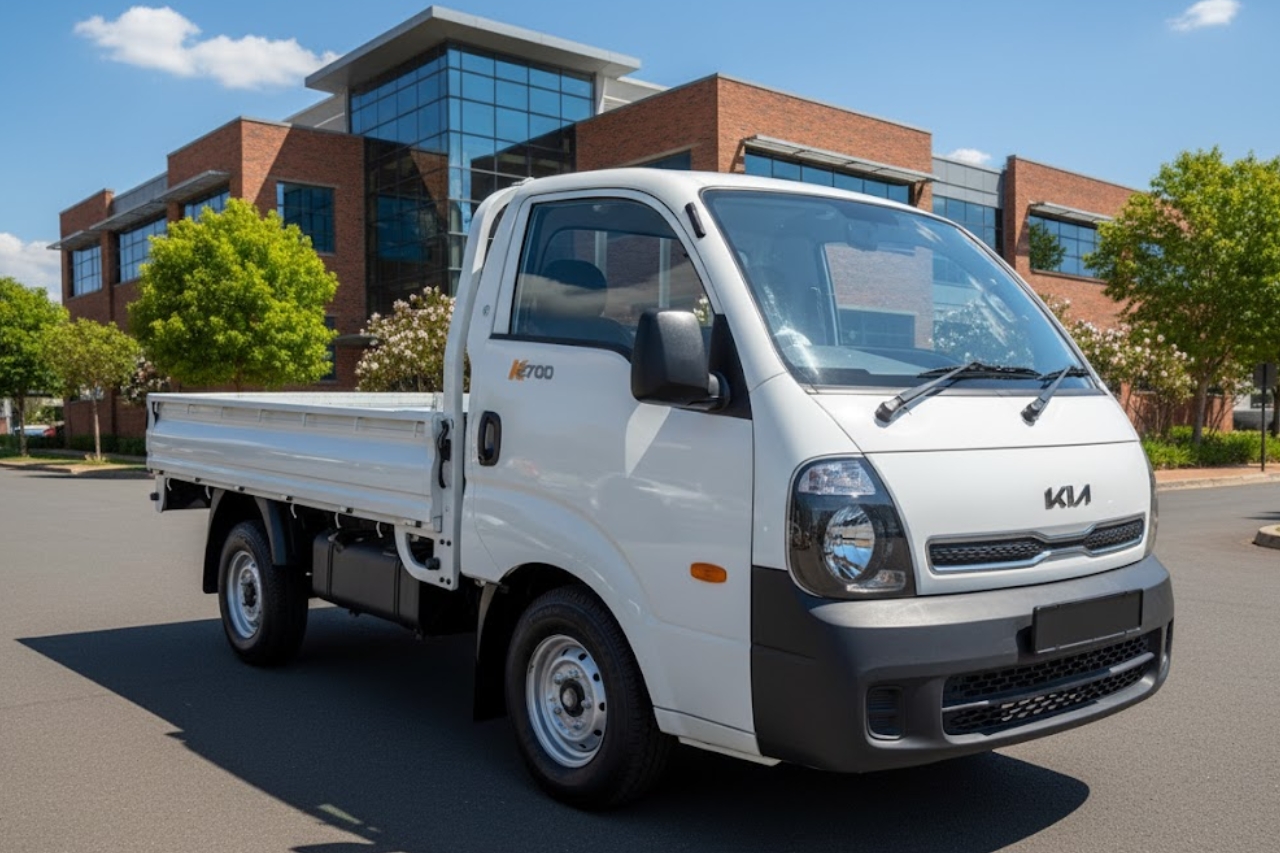
The kia k2700 is a reliable light commercial workhorse, but when it starts losing power or smoking it can cost time and money — especially for fleet owners and mechanics in South Africa who need fast, affordable solutions. This guide walks through the most likely causes, simple checks you can do, and clear next steps if you need a partial repair, rebuild, or a replacement engine or gearbox.

If you confirm oil burning, consider whether a top-end job, piston ring replacement or full engine replacement is most cost-effective — for older or high-hour units, replacing with a low-mileage, UK-imported or remanufactured complete engine can be the faster, more reliable option with a warranty.
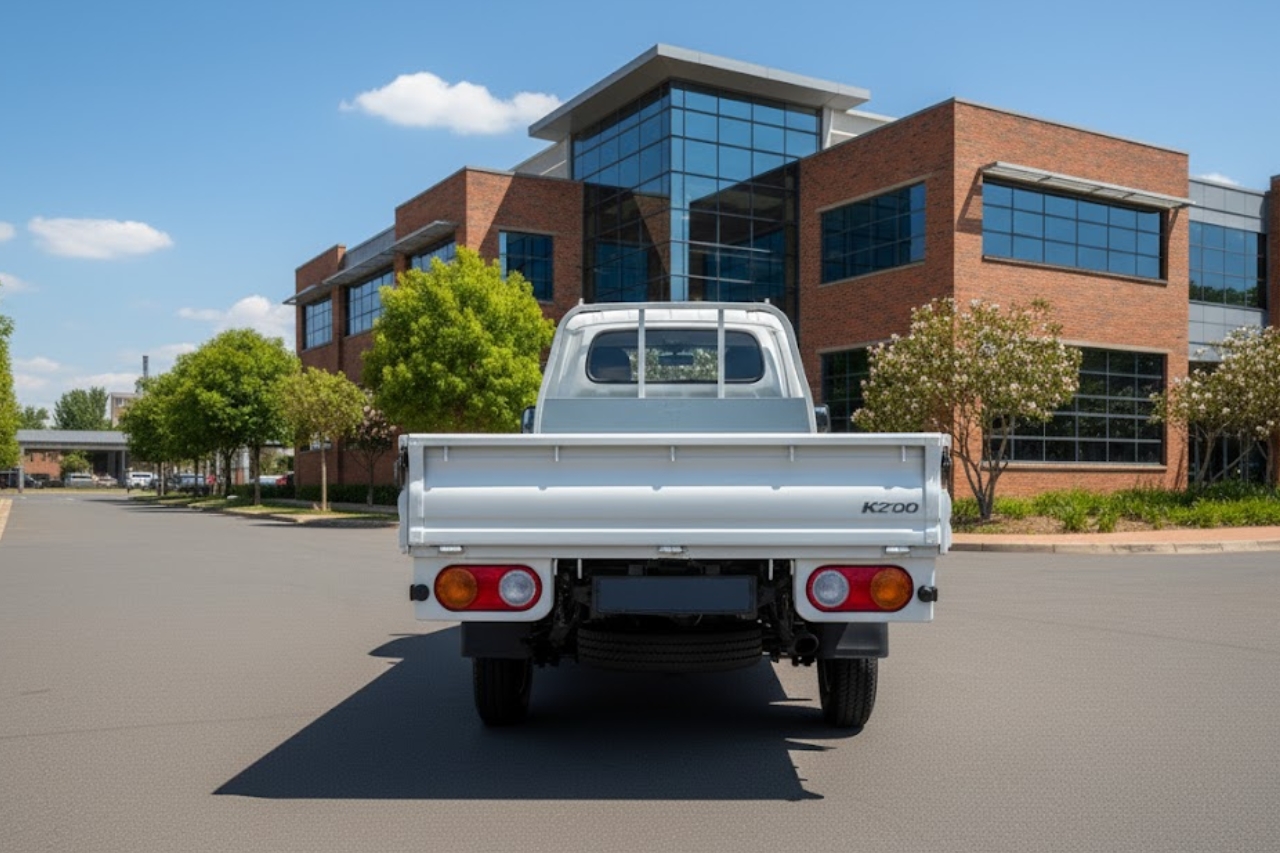
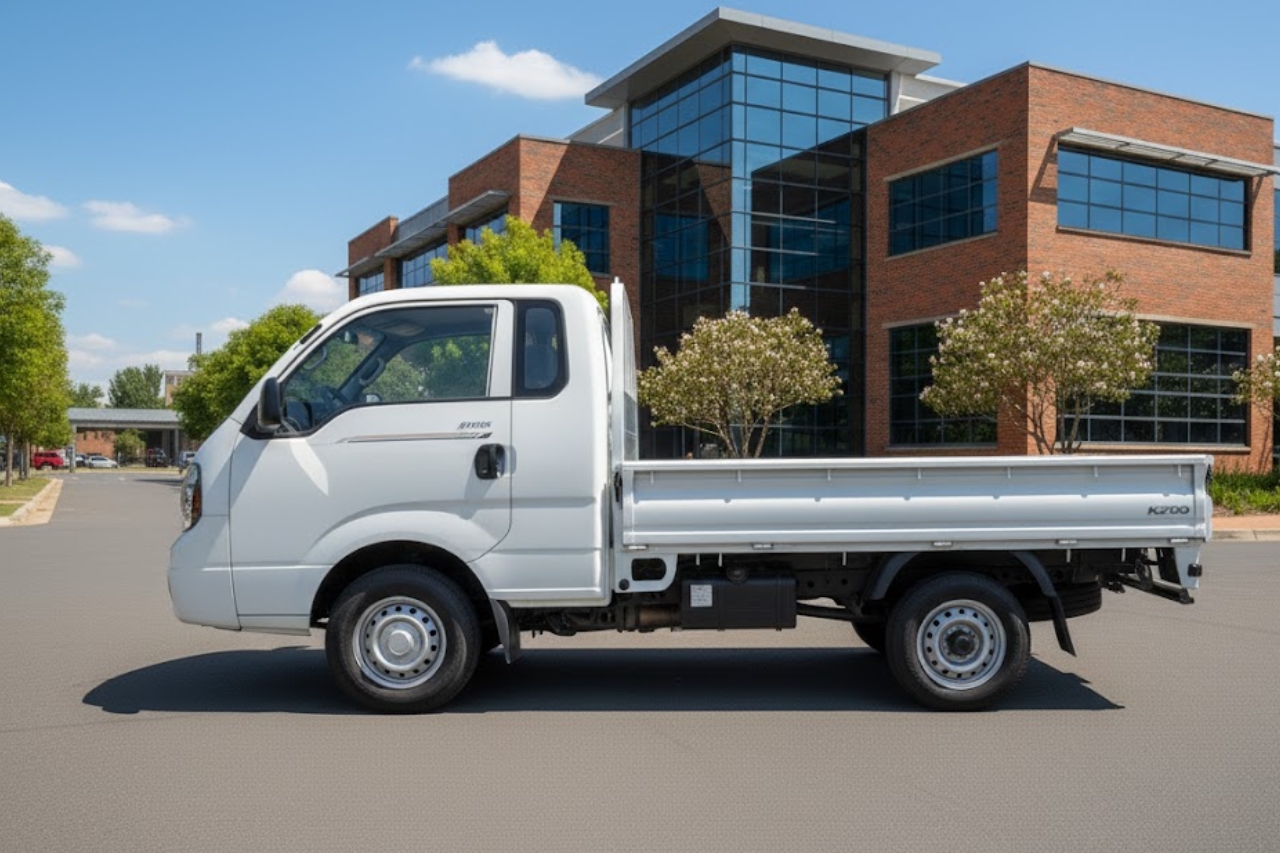
Why is my kia k2700 losing power or smoking?
If your kia k2700 is losing power or emitting visible smoke, the problem can be mechanical, fuel-related, or electronic. Power loss and smoke are symptoms, not diagnoses: smoke colour, when it appears (cold start, load, idle), and any accompanying noises point to the root cause. Common culprits include fuel injection faults, worn piston rings, leaking valve guides, head gasket failure, turbocharger problems, or an issue with the EGR/DPF systems on diesel variants. For petrol variants the injector or ignition system may also cause misfires and power loss. As an initial rule, document the smoke colour and engine behaviour, because that information narrows the diagnostic path quickly. Quick checklist:- Smoke colour: blue/gray (oil), black (rich fuel/sooting), white (coolant/combustion leak).
- Power loss pattern: gradual under load, sudden, or only at idle.
- Warning lights or abnormal noises (knock, rattle, turbo whistle).
Could a fuel system or injector issue make a kia k2700 smoke?
Yes — fuel-system faults are a frequent cause of black smoke and power loss on diesel and petrol K2700s. Clogged injectors, incorrect injection timing, or a failing fuel pump will cause incomplete combustion and heavy smoke under load. Tests you can perform:- Check fuel filter condition and replace if due.
- Measure rail pressure (diesel common-rail) or check fuel pump output on older systems.
- Inspect injectors for spray pattern and leakage — partial blockage often causes rough running and poor acceleration.
Is the turbo or intercooler causing power loss and smoke?
On turbo-diesel K2700s, turbocharger failure can produce smoke, oil consumption, and a noticeable drop in mid-range torque. A turbo that leaks oil into the intake will usually cause blue/gray smoke and increasing oil use. Damage to the intercooler (internal oil contamination or external air leaks) reduces boost pressure and performance. Signs to check:- Boost pressure check — compare to factory spec; low boost under load is a key sign.
- Inspect intake for oil residue and intercooler for foreign material.
- Spin the turbo shaft by hand (with intake/exhaust ports blocked) — any roughness or shaft play indicates failure.
How do I tell oil burning from soot or coolant leak in a kia k2700?
Colour and smell help distinguish oil, fuel, and coolant. Blue or bluish-gray smoke usually means oil is burning (piston rings, valve stem seals, or turbo). Thick black smoke points to rich fuel mixture or injector trouble. White smoke that smells sweet most often indicates coolant entering the combustion chamber (head gasket or cracked head). Simple checks include:| Symptom | Likely Cause | Quick Test |
|---|---|---|
| Blue smoke | Oil burning (rings/valves/turbo) | Check oil level and look for oil in intake/intercooler |
| Black smoke | Fuel-rich combustion/injectors | Inspect injectors and fuel pressure, check air filter |
| White smoke | Coolant leak/head gasket | Check coolant level and perform compression or leak-down test |
Could head gasket, valves or piston rings be the root cause?
Yes. Worn rings reduce compression and cause oil to enter the combustion chamber; damaged valve guides or seals let oil past the valve stems; a blown head gasket can let coolant into cylinders and cause white smoke and overheating. These faults often cause a measurable drop in compression and poor running under load. Recommended diagnostics:- Compression test on all cylinders — compare readings.
- Leak-down test to localise sealing faults.
- Inspect spark plugs (petrol) or injector nozzles (diesel) for oil/coolant contamination.
What role do the EGR, DPF or emissions systems play in kia k2700 symptoms?
Exhaust Gas Recirculation (EGR) and Diesel Particulate Filters (DPF) can cause power loss and smoke if clogged or malfunctioning. A stuck EGR valve introduces excessive soot into the intake, reducing combustion efficiency and causing black smoke. A saturated DPF causes back pressure, reducing power and sometimes producing smoke or unusual smells. Diagnostics and fixes:- Scan for fault codes and inspect EGR valve for carbon build-up.
- Check back-pressure at the exhaust to detect a blocked DPF.
- DPF cleaning or replacement may restore performance; in older vehicles, DPF removal is not recommended and may be illegal under emissions laws.
Could gearbox or drivetrain problems mimic engine power loss on a kia k2700?
Yes — drivetrain faults can feel like engine power loss. A slipping clutch, damaged gearbox, or seized components increase load on the engine and reduce acceleration. If the engine revs but the vehicle doesn’t respond proportionally, suspect the transmission or clutch first. Signs to help you separate engine vs gearbox issues:- Engine revs high but speed doesn’t increase → clutch slip or gearbox issue.
- Unusual gearbox noises, grinding or difficulty selecting gears → gearbox internals or synchros.
- Check transmission fluid level and smell (burnt smell indicates clutch or gearbox overheating).
When should I replace the engine in my kia k2700 rather than repair it?
Deciding between repair and replacement depends on cost, availability of parts, vehicle age and downtime tolerance. If the engine has catastrophic damage (seized crank, scored bores, multiple melted pistons) or repair costs exceed ~60% of a reliable replacement price, replacement is usually the pragmatic choice for bakkies and light trucks used in fleet work. Replacement options in South Africa include:- Second-hand low-mileage engines (local or UK-imported) — affordable with quick turnaround.
- Remanufactured/fully rebuilt crate engines — more expensive but factory-tested.
- Short-blocks or long-blocks if you want to reuse accessories.
How to source and fit a replacement engine for a kia k2700 in South Africa?
Sourcing an engine requires confirming exact engine code and compatibility (mounts, gearbox bellhousing, ECU, sensor harness). Use suppliers that provide expert support for compatibility and installation; certified sellers often include alternator, turbo and pumps with complete engines to reduce fitment surprises. Action plan:- Note vehicle VIN, engine number and transmission type (manual/automatic).
- Request photos/specs from the supplier and confirm what’s included (fans, turbo, alternator, ancillaries).
- Confirm warranty terms (many suppliers include a 3-month parts warranty) and delivery ETA — nationwide delivery across South Africa is common from major vendors.
What legal, warranty and compliance issues should South African owners consider?
Imported engines must comply with South African import regulations and sometimes need paperwork for registration updates. Using an RMI-approved supplier provides buyer protection and clearer paperwork for warranty claims. Always confirm the supplier’s warranty (duration, what's covered) and ask about return and fitment support. Key points:- Confirmation of engine serial numbers and matching documentation for registration if required.
- Clarify whether installation labour is included; many suppliers offer engine installation services or can recommend installers.
- Keep all invoices and warranty documents; some warranties require professional installation and a maintenance record.
How can regular maintenance prevent kia k2700 power loss and smoking?
Routine service is the best defence against smoke and power issues. Regular oil and filter changes, timely injector and fuel-filter replacement, and monitoring turbo and EGR condition preserve combustion quality and reduce soot and oil ingress. For fleet vehicles, maintaining a service log and following manufacturer intervals prevents small problems from becoming expensive failures. Maintenance checklist:- Oil and filter every 5-10k km depending on use and oil type.
- Fuel filter replacement at recommended intervals; more often with poor fuel quality.
- Periodic inspection of turbo, intercooler, and intake for oil and soot build-up.
- Regular diagnostics scan to catch early ECU-reported faults.
Where can I get expert help if I’ve diagnosed the problem but need parts or installation?
If your diagnosis points to a replacement engine or gearbox, choose a seller with proven compatibility support, nationwide delivery and a clear warranty. Many South African buyers combine parts supply with professional installation services offered by the same provider or a trusted network. Helpful resources:- Use RMI-approved suppliers for added consumer protection.
- Buy complete engines that include turbo/alternator/pumps where possible to reduce fitment surprises.
- Ask about low-mileage UK-imported engines if you want a closely matched donor with lower hours than local cores.
Quick troubleshooting summary for technicians and owners
Follow this practical flow when you encounter power loss or smoke on a kia k2700:- Observe smoke colour and when it occurs.
- Check oil and coolant levels immediately.
- Perform compression and leak-down tests if oil or white smoke is suspected.
- Scan for ECU codes and inspect injectors, turbo and EGR for diesel variants.
- Decide repair vs replacement based on cost of parts/labour and service life; source low-mileage or remanufactured engines when replacement is required.