
Engines
Is Your Toyota 2E Engine Tapping, Smoking, Or Misfiring? What It’s Really Telling You
Home of Engines & Gearboxes · 28 November 2025 · 8 min read

If you’ve heard ticking, seen smoke, or felt misfires from under the bonnet, the toyota 2e engine is often the centre of attention — and this guide explains what those symptoms truly mean and how to address them.
Taking quick photos of the exhaust and checking fluid level changes over a few drives is a low-cost way to narrow the problem before committing to an engine rebuild or replacement.


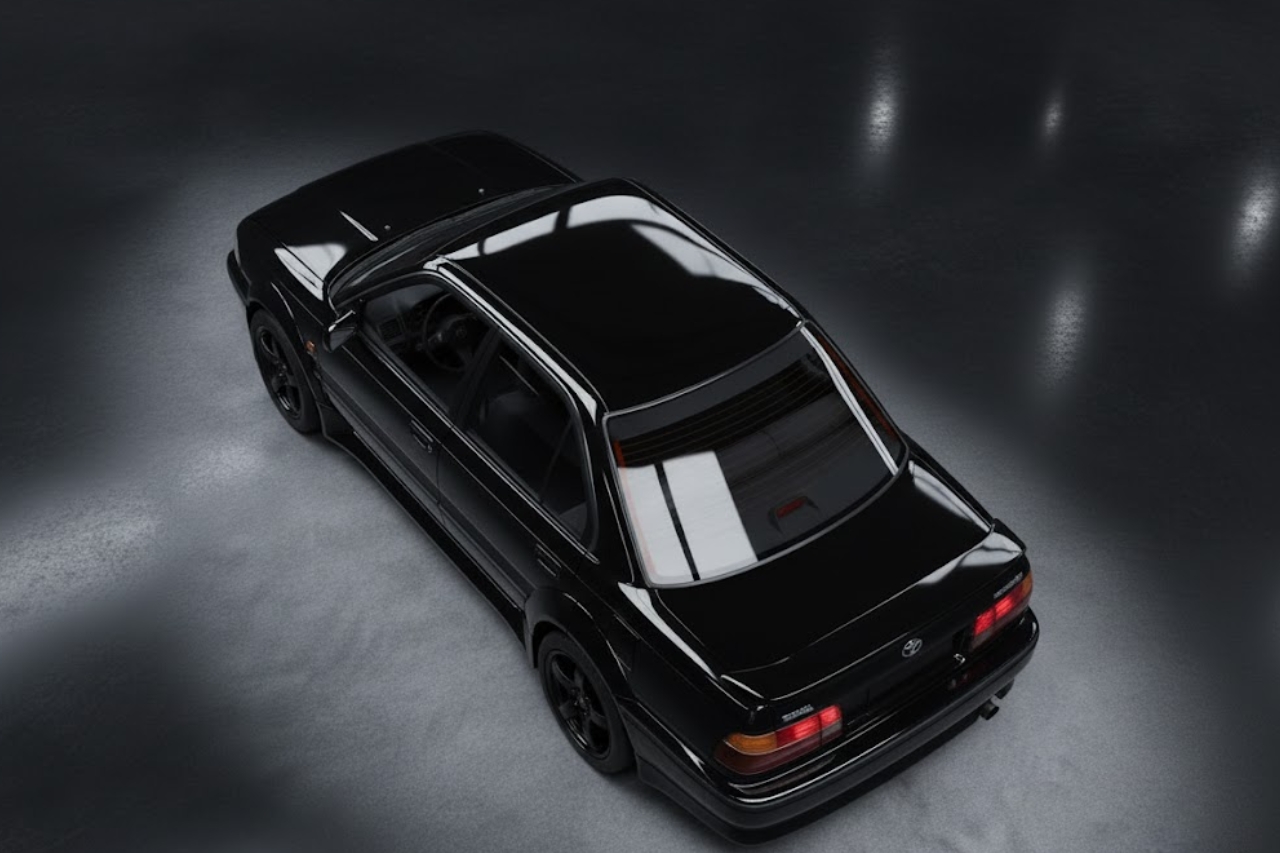
What are the most common causes of a tapping noise in a toyota 2e engine?
Tapping or ticking from a toyota 2e engine usually points to valvetrain or lubrication issues, though the exact origin depends on the symptom pattern (idle vs. load, warm vs. cold). A persistent metallic tick often means worn valve lifters, loose rocker arms, or a failing timing component. Less frequent but possible are piston slap or worn bearings that produce a deeper knocking rather than a light tick. Start with checks that are inexpensive and fast: oil level and condition, valve clearances, and timing belt/chain tension. A basic inspection checklist helps prioritise repairs:- Oil level and viscosity
- Valve clearances/adjustments
- Condition and tension of timing components
- Rocker arm wear or looseness
How do you tell if the toyota 2e engine is smoking from oil burning or coolant leaks?
White, blue or grey smoke each have different meanings on the toyota 2e engine. Blue smoke at start-up or during acceleration usually indicates oil burning — often worn valve guides, seals, or piston rings on older 2E units. White smoke that smells sweet suggests coolant entering the combustion chamber (a head gasket or cracked head/block). Thick black smoke points to rich running or fuel injection/carburettor problems. Diagnose smoking with a short checklist and visual tests:| Smoke Colour | Likely Cause | Quick Tests |
|---|---|---|
| Blue | Oil burning (rings, guides, seals) | Compression and leak-down tests; check PCV valve |
| White | Coolant in cylinders (head gasket) | Coolant loss, oil milky appearance, pressure test |
| Black | Rich mixture/fuel system faults | Inspect fuel system, air filter, carburettor |
Why might a toyota 2e engine misfire and how should it be diagnosed?
Misfires are usually electrical (spark), fuel delivery, or mechanical problems. On the toyota 2e engine common causes include worn spark plugs, degraded ignition leads, faulty distributor components (on older systems), clogged carburettors or injectors, and low compression from worn rings or valves. Diagnosis should be systematic: check error codes (if equipped), inspect spark plugs for colour and fouling, test coil/distributor/ignition leads, perform a compression test, and then check fuel pressure or carburettor float levels. For owners in South Africa who prefer a replacement route, UK-imported low-mileage engines can be a cost-effective option — Home of Engines lists many low-hour, refurbished Toyota units suitable for swaps and nationwide delivery. According to Wikipedia, the Toyota E engine family includes the 2E variant (a 1.3L displacement), which helps explain why these engines are common in older economical models.Can I service or rebuild a toyota 2e engine locally in South Africa, or should I replace it?
Deciding between a rebuild and replacement depends on extent of wear, cost, and end-use. A local rebuild can be economical if the block and head are serviceable and you have access to a trusted workshop. For fleet owners and mechanics seeking minimal downtime, sourcing a low-mileage, UK-imported replacement engine is often faster. Home of Engines provides nationwide delivery in South Africa and offers a 3-month warranty on engines and gearboxes — a common compromise that balances cost and reliability. Some factors to consider:- Cost of labour vs. cost of a low-mileage imported engine
- Availability of parts for the 2E in your region
- Time constraints: replacements can be quicker than multi-week rebuilds
Is the toyota 2e engine reliable long-term, and what maintenance schedule should I follow?
The toyota 2e engine is known for simplicity and economy rather than high performance. With correct regular maintenance — oil changes, valve adjustments, timely timing belt replacement, and periodic cooling system servicing — a 2E can be reliable for many years. Many owners run them well past 200,000 km with proper care. Basic maintenance schedule (typical):- Oil and filter: every 5,000–10,000 km depending on oil type and load
- Valve clearance: inspect and adjust every 20,000–40,000 km
- Timing belt/chain: follow manufacturer intervals; replace if showing wear
- Cooling system: flush and replace coolant every 2 years
How much does it cost to replace a toyota 2e engine in South Africa?
Costs vary by whether you choose a local rebuild, a second-hand local engine, or an imported low-mileage crate engine. A local rebuild can range widely depending on parts and labour. Sourcing a UK-imported low-mileage replacement through a national supplier often includes options for installation and a 3-month warranty, which simplifies budgeting. Typical cost bands (indicative):- Local rebuild: labour + parts (variable)
- Used local second-hand engine: lower upfront cost but variable history
- Imported low-mileage/reconditioned engine: higher upfront cost, often faster install and included components
What should mechanics look for when sourcing second-hand toyota 2e engines?
Mechanics should prioritise documented history, low mileage where possible, included ancillaries (alternator, pumps, turbo if relevant), and warranty terms. RMI approval and compliance with South African import and registration regulations are also important. A good supplier will provide expert support for engine compatibility and installation advice for cars, bakkies, and light trucks. Checklist for sourcing:- Verify engine serial numbers and compatibility
- Ask for warranty terms and what is covered
- Confirm delivery options and inclusion of ancillaries
- Check for RMI approval or industry accreditation
Are there common parts you should replace when installing a used toyota 2e engine?
When swapping in a used toyota 2e engine, replacement of wear items reduces the risk of immediate follow-up failures. Typical parts to renew include the timing belt (and tensioners), water pump, thermostat, spark plugs, ignition leads, fuel hoses, and engine mounts. If the engine is older, consider renewing the head gasket and valve seals. Replacing these parts at the time of installation adds only modest cost but improves reliability and often prevents repeat labour. Many suppliers offer crate engines with critical ancillaries included to streamline installations and reduce compatibility issues.How do emission and performance upgrades/discrepancies affect a toyota 2e engine swap?
If your vehicle previously ran modified fuel systems, performance cams, or non-standard exhausts it’s essential to match the engine’s original configuration or adapt supporting systems (ECU mapping, carburettor jets). The toyota 2e engine is simple by modern standards, so aftermarket modifications are common in hobby builds — but they complicate swaps if the donor engine has different tuning. Before a swap, document the vehicle’s emission controls and any modifications. This is especially relevant for vehicles that must comply with South African registration or inspection rules; some imported engines include documentation to assist with compliance.Where can I source a reliable replacement toyota 2e engine and installation in Johannesburg and nationwide?
Trusted suppliers that specialise in second-hand and imported engines provide the fastest route to repair, especially for mechanics and fleet operators who need quick turnaround. In South Africa, companies offering UK-imported low-mileage engines, nationwide delivery, and a 3-month warranty are popular choices. If you’re in Johannesburg, look for suppliers with install services and compatibility support to ensure a smooth swap. For brand-specific inventory, consult supplier brand pages — for example, if you need alternatives or parts for other make swaps, Home of Engines hosts inventories for multiple brands including Toyota and Nissan. Mechanic shops often combine purchased engines with installation to provide a single, guaranteed service.