
Engines
Mercedes W203 C Class Engine Guide: C180 and C200 Kompressor Buyer Checklist
Home of Engines & Gearboxes · 19 December 2025 · 7 min read
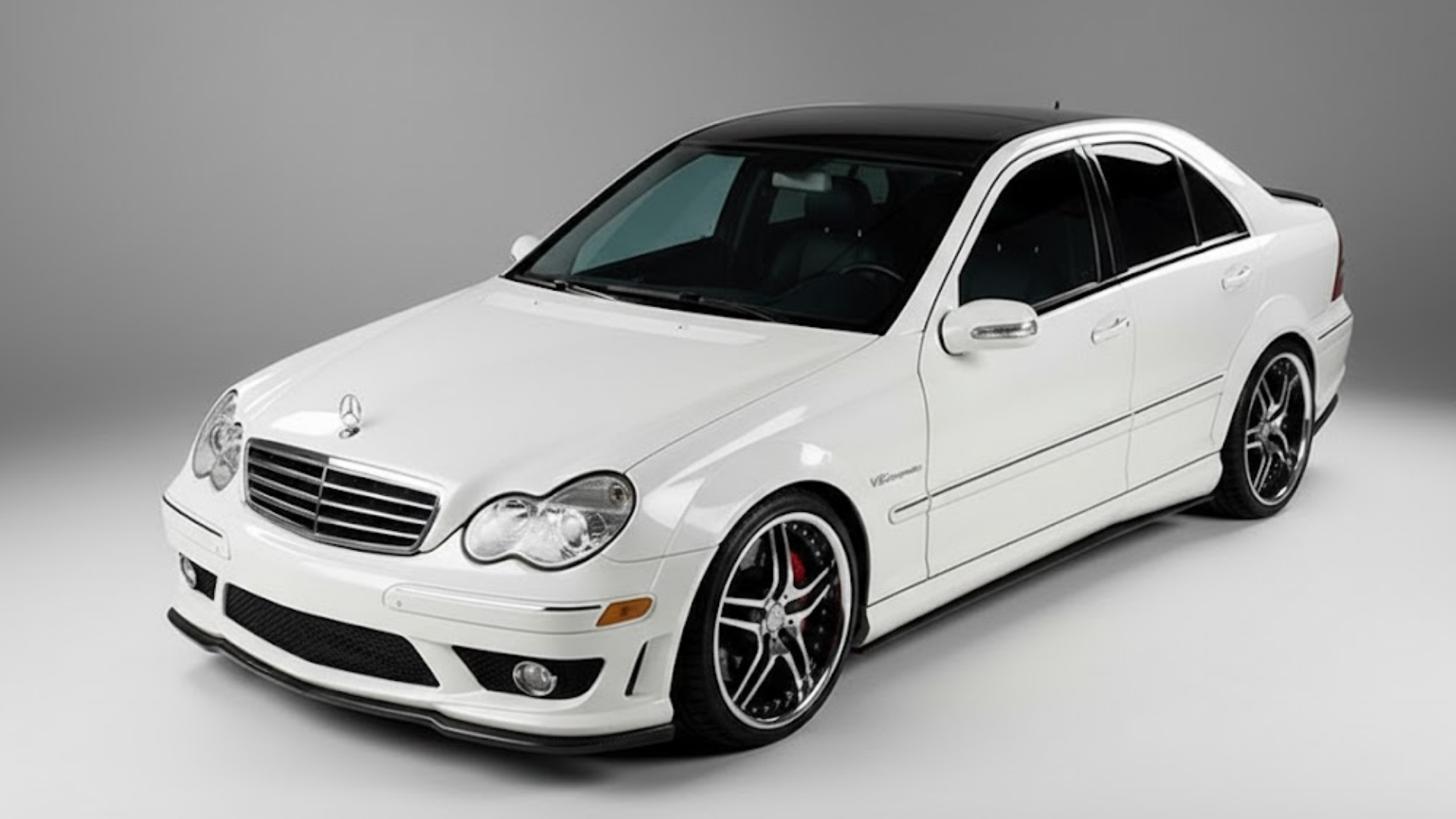
w203 owners and prospective buyers in South Africa need a focused checklist when sourcing C180 and C200 Kompressor engines — this guide covers compatibility, common faults, imported low‑mileage options, gearboxes and warranty considerations.
Using the correct engine code and ECU is critical when swapping between these units on a W203 chassis to avoid drivability issues.
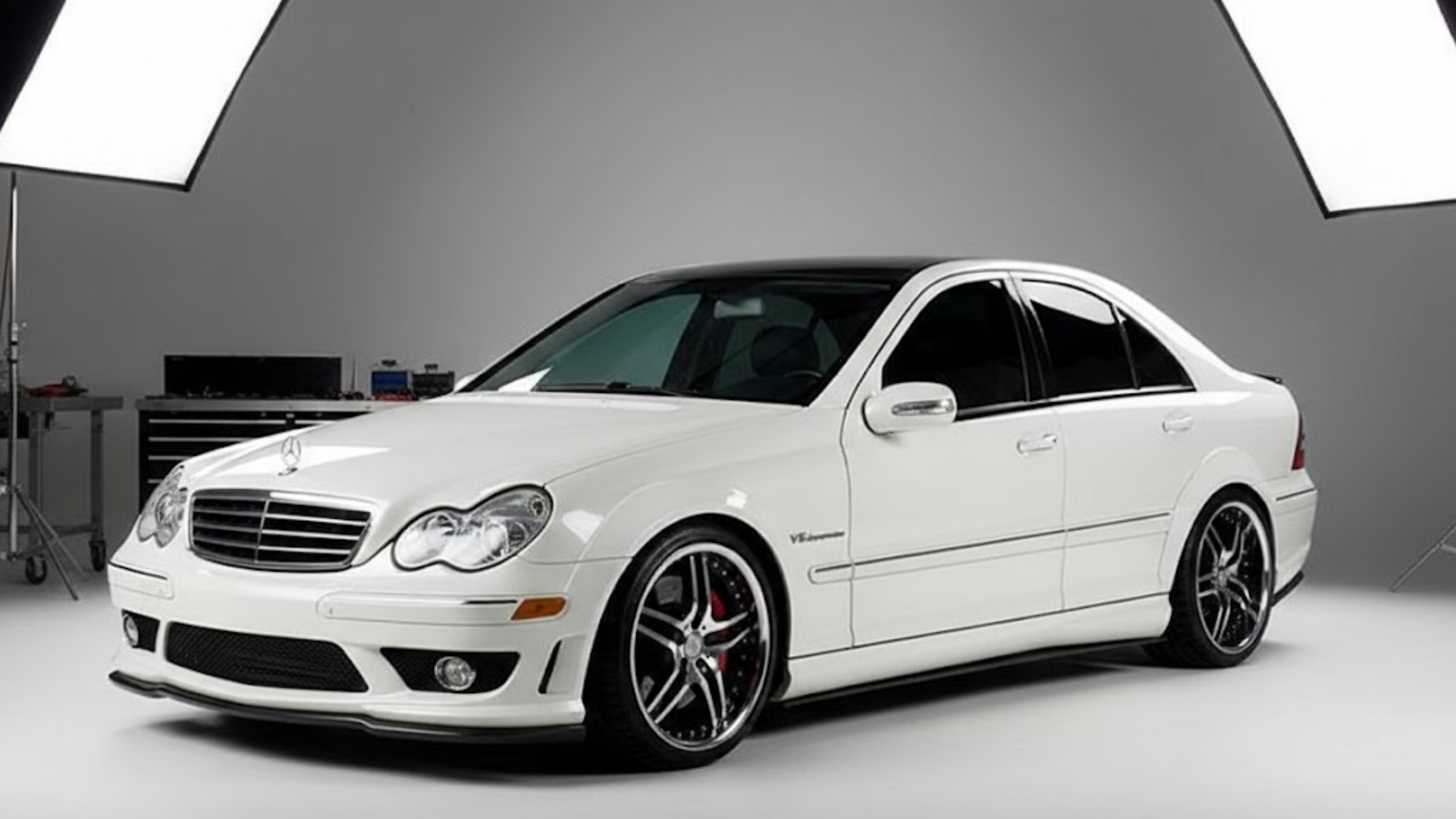
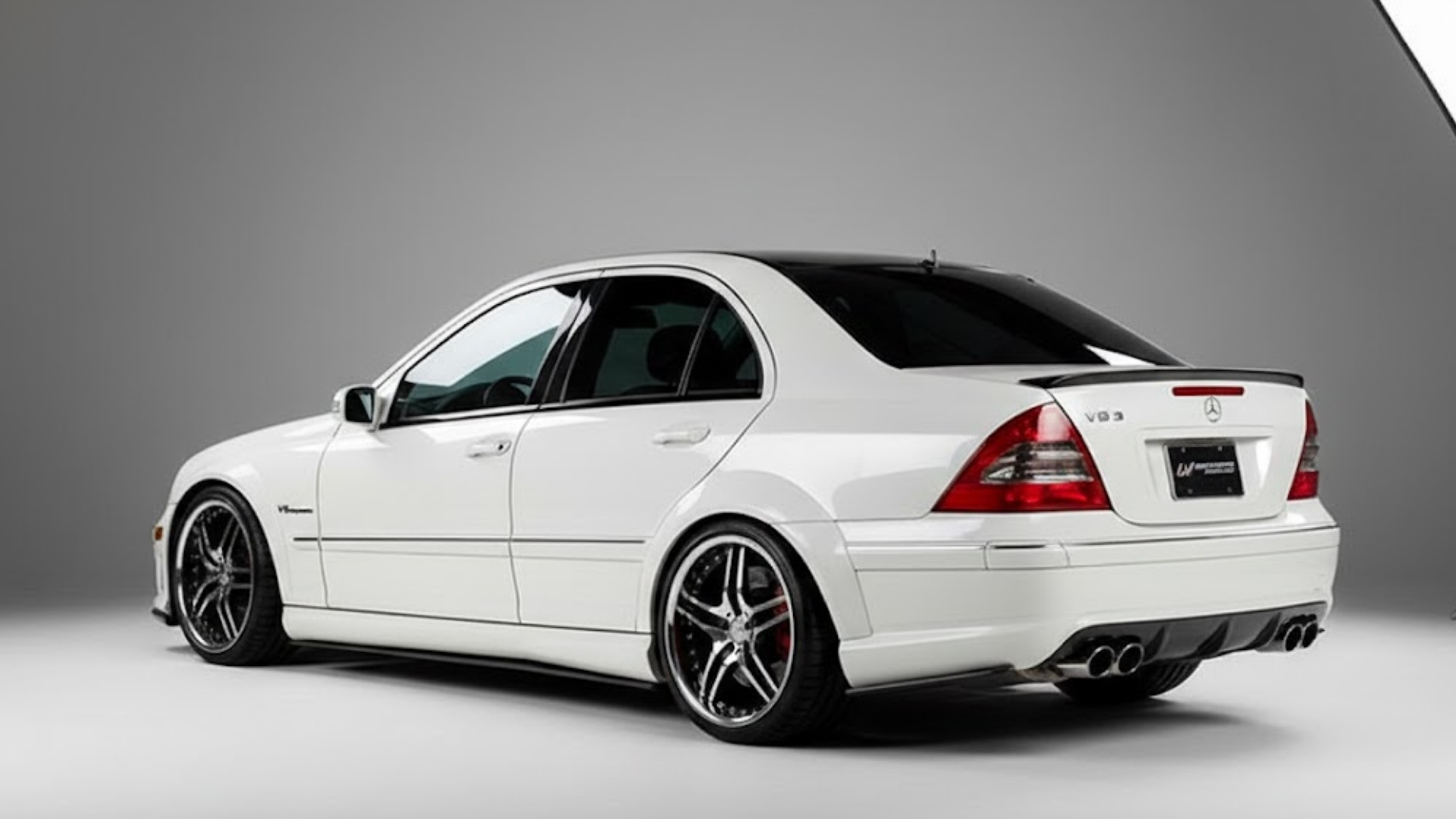
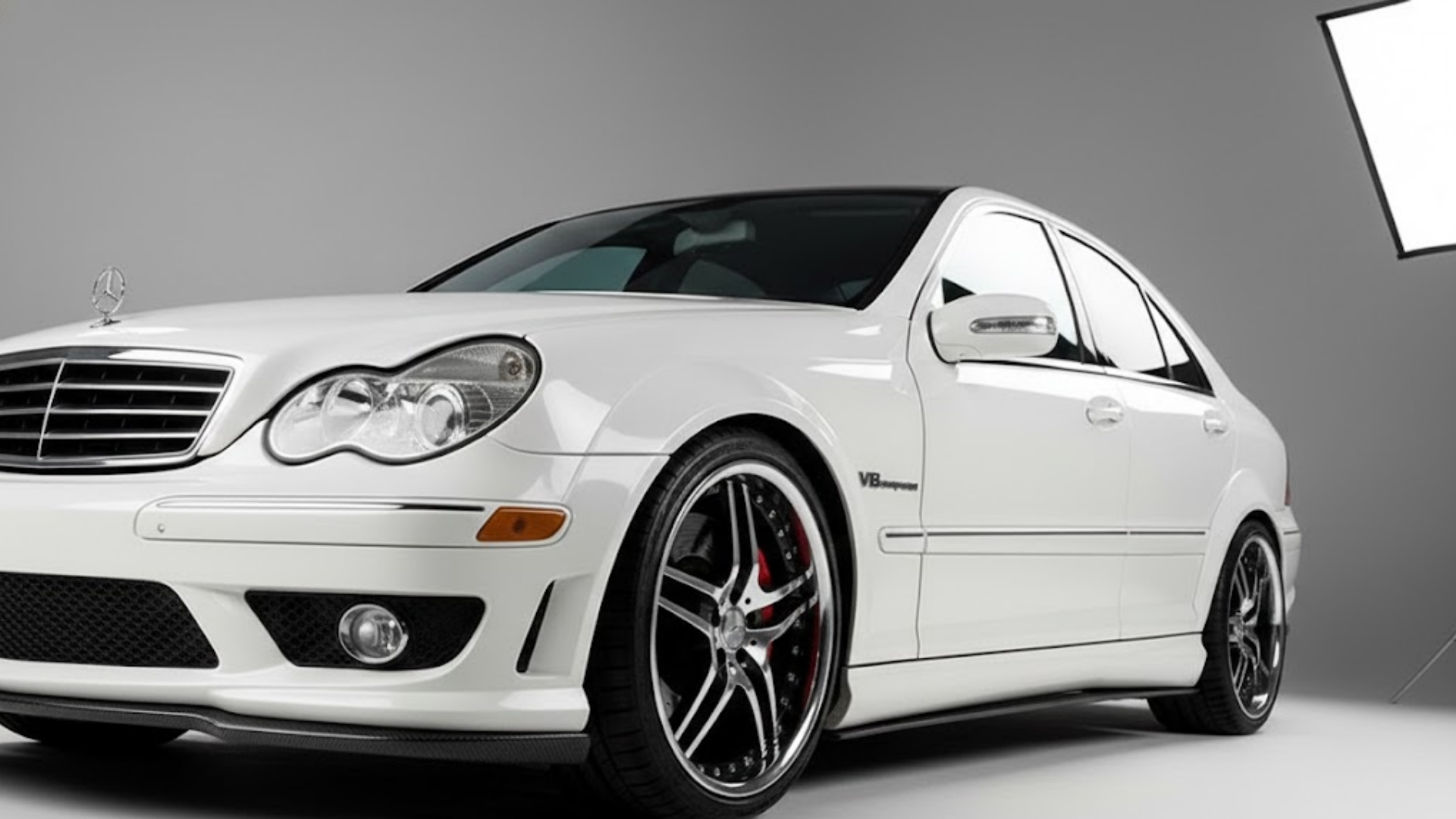
Summary: The w203 platform has many compatible engine options, but buyers in South Africa must prioritise correct engine codes, verified mileage, gearbox pairing and ECU compatibility. Choose RMI‑approved suppliers when possible, verify paperwork for imports, and secure a clear warranty to protect your purchase.
What is the W203 platform and why does it matter for engine replacement?
The W203 is the internal Mercedes-Benz code for the second-generation C‑Class, which sets the baseline for engine mounts, electronics, and gearbox pairings. Understanding the W203 platform helps you match petrol and diesel engines, identify correct wiring harnesses and ECU calibrations, and ensure physical fitment in your C‑Class chassis. According to Wikipedia, the W203 was produced from 2000 to 2007, which explains the range of factory engines and mid‑cycle updates that affect part compatibility.Which engines are typical for C180 and C200 Kompressor (w203) — what’s the real difference?
The C180 and C200 Kompressor in W203 form the popular kompressor (supercharged) petrol variants. The C180 typically features a smaller displacement and lower peak torque compared with the C200 Kompressor, which benefits from a larger block or higher tune that produces stronger mid‑range power. For buyers, the distinction matters for fuel economy, insurance, and matching to automatic or manual gearboxes. Below is a quick comparison table to help you decide which fits your needs:| Item | C180 | C200 Kompressor |
|---|---|---|
| Typical output | ~120–143 hp | ~163–184 hp |
| Torque | Lower, city friendly | Higher, better overtakes |
| Fuel economy | Better economy | Moderate economy |
| Common uses | City and fleet | Enthusiast daily driver |
How to identify a genuine used W203 engine before purchase?
Identifying a genuine W203 engine involves checking engine casting numbers, VIN stampings on the block or transmission bellhousing, and matching the ECU part numbers. Request full engine photographs, service history, and a compression/test report if possible. If the engine is a UK‑imported low‑mileage unit, ask for export documentation, mileage verification and a detailed parts inventory (alternator, turbo, pumps included) — complete crate engines are easier to verify and install. For South African buyers, sourcing from a trusted, RMI‑approved supplier reduces risk. According to the Retail Motor Industry (RMI), choosing approved suppliers is an important step toward avoiding mismatched or illegally imported engines.What are the most common mechanical problems on W203 engines and how to spot them?
W203 engines, especially supercharged Kompressor units, commonly show wear on the supercharger drive, oil leaks from camshaft seals, and issues with variable valve timing actuators on some petrol engines. Diesel variants (if you encounter them in the W203) often show turbo wear and injector failures. When inspecting a used engine, listen for noisy bearings on a cold start, check for excessive blowby via the oil cap, and inspect for sludge in the oil — these are red flags for high‑mileage or poorly maintained units. Use a compression test and oil analysis where possible; these give quantifiable insight into engine health before committing to the purchase.How does gearbox compatibility work on the W203 — can I pair any automatic or manual gearbox?
Gearbox compatibility on the W203 depends on engine type, flywheel/flexplate design, and transmission control modules. Automatic gearboxes require matching torque converters and often a specific ECU/TCU pairing or reprogramming. Manual gearboxes need correct clutch and flywheel setups. In South Africa, mechanics and fleet owners frequently look for matched engine+gearbox packages for a plug‑and‑play swap — this reduces coding work and potential drivability faults. If you prefer a turnkey solution, consider sourcing a complete engine with gearbox included; many suppliers list complete engines with alternator, turbo and pumps included to simplify installation.Where to buy used or imported W203 engines in South Africa and what to check legally?
Buying imported or second‑hand engines in South Africa requires compliance with import documentation, SARS duties and registration rules. Check that the supplier provides clear invoice, export paperwork and proof of origin to support legal registration and clearance. Nationwide delivery is common — reputable sellers offer courier options to workshops across major metros and bakkie-friendly delivery for larger crates. For sourcing options and RMI‑approved services, consider checking established suppliers who offer a 3‑month warranty and expert support for engine compatibility. According to Home of Engines, they offer a 3‑month warranty on engines and gearboxes, which is a practical safety net for buyers of second‑hand and imported units. See available brands and services for examples: Mercedes engines, Imported engines in Johannesburg, and their services for installation options.What should mechanics and fleet owners in South Africa look for when sourcing low‑mileage UK‑imported engines?
Mechanics and fleet owners prioritise verified mileage, full component inclusions (alternator, turbo, pumps) and compatibility support for coding and immobiliser removal. UK‑imported engines often have lower mileage but require thorough verification: check vehicle export records, MOT history screenshots, and any service receipts to confirm mileage and maintenance history. A reliable supplier will offer technical support for ECU mapping, and sometimes installation services, to ensure the engine performs correctly in local conditions. Also consider emission compliance and whether local registration offices will accept the provided documentation during re‑registration.How much should I budget for a W203 engine replacement (C180 vs C200 Kompressor) including gearbox and installation?
Budgeting depends on whether you choose a crate engine, a low‑mileage imported unit, or a local second‑hand engine. Typical cost components include the engine itself, a matched gearbox (if required), shipping/import duties (for imports), labour for fitment and any ECU/TCU coding. Prices vary widely across brands and vehicle classes; diesel engines and high‑torque variants generally cost more due to heavy‑duty parts and robust gearboxes.- Used local engine (core only): generally lowest cost
- UK‑imported low‑mileage engine: mid to high cost + shipping and duties
- Rebuilt or crate engine with warranty: higher cost but reduced risk
What warranty and after‑sales support should you expect for a used W203 engine in South Africa?
Look for explicit warranty terms (duration, mileage cap, coverage details) and inclusions such as alternator, turbo, and pumps. A common offering from reputable suppliers is a 3‑month warranty on engines and gearboxes; this provides a basic safety net against early failures. According to Home of Engines, their 3‑month warranty covers core engine and gearbox faults, paired with expert support for compatibility, which is particularly valuable for non‑standard swaps or imported engines. Also check whether installation services are offered or recommended; some suppliers provide installation through partner workshops which can simplify warranty claims and technical support.What are the electrical and ECU considerations when swapping W203 engines?
Electrical compatibility is often overlooked. The W203 uses specific wiring harnesses, sensors and ECUs that must match the engine variant. When fitting a C200 Kompressor engine into a C180 car, sensors like the mass airflow (MAF), oxygen sensors and immobiliser/ECU mappings might need replacing or reprogramming. If the supplier provides the original ECU and immobiliser coding, ensure your workshop can perform the necessary coding to pair the ECU to the car’s VIN. Failing to address these items can lead to limp mode, incorrect fueling or a no‑start condition. Use an experienced auto‑electrician familiar with Mercedes systems to verify full electrical compatibility prior to fitment.Final buyer checklist: step‑by‑step before you pay for a W203 engine
Use this concise checklist to make the final buying decision. It combines legal, mechanical and practical checks to protect your investment in South Africa:- Verify supplier reputation and RMI approval if possible.
- Request engine serial/casting numbers and VIN match proof.
- Obtain service and export paperwork for imported low‑mileage units.
- Confirm inclusion of alternator/turbo/pumps or list of excluded items.
- Ask for a compression test or mechanical inspection report.
- Get a clear 3‑month warranty in writing and understand claim process.
- Check gearbox pairing, clutch/flywheel and ECU compatibility.
- Arrange coding/immobiliser support with your workshop.
- Budget for installation, fluids, filters and ancillary parts.
- Confirm delivery options and nationwide support or workshop referrals.
Useful next steps: sourcing, installation and ongoing care in South Africa
Start by shortlisting suppliers with documented warranties and technical support. Contact workshops that offer installation and ECU coding; many suppliers will recommend partner installers. If you are in Johannesburg or nearby, check specialised import listings for low‑mileage UK engines to compare value — options are frequently available on dedicated imported engine listings. For more brand options and to explore crate or second‑hand engines for other makes (Toyota, Ford, Nissan), review the broad inventory across recognised suppliers to plan budgets and timelines. Remember: a well‑documented, matched engine and gearbox set plus professional installation will save time, costs and frustration compared with ad‑hoc swaps. For direct services, parts and installation support, consider contacting established industry suppliers and service teams listed on the company site for tailored quotes and delivery schedules: Home of Engines.Summary: The w203 platform has many compatible engine options, but buyers in South Africa must prioritise correct engine codes, verified mileage, gearbox pairing and ECU compatibility. Choose RMI‑approved suppliers when possible, verify paperwork for imports, and secure a clear warranty to protect your purchase.