
Top 7 Common Isuzu 4JJ1 Engine Problems (And How to Fix Them Right)
Need a replacement 4JJ1? Tested engines in stock: Isuzu 3.0 4JJ1 engine — R58 500 and 4JJ1 turbo truck engine — R68 000, with warranty and delivery.
The Isuzu 4JJ1 engine has earned a strong reputation for reliability and performance in both commercial and personal vehicles, particularly in Isuzu D-Max and MU-X models. However, like any long-serving diesel engine, it’s not immune to wear and specific technical issues. If you're driving or maintaining a vehicle with the Isuzu 4JJ1 engine, this guide outlines the most common problems owners face — and more importantly, how to fix them correctly.
What are the most frequent turbocharger issues in the Isuzu 4JJ1 engine?
Turbocharger failure is one of the top complaints among Isuzu 4JJ1 engine owners, especially after high mileage or if regular maintenance has been neglected. Symptoms often include loss of power, excessive smoke, and a whining noise from the turbo. These problems typically stem from oil contamination, worn seals, or carbon buildup. To prevent turbo failure, always use high-quality oil and change it at recommended intervals. Regular inspection of the turbo housing for signs of wear or oil leaks is also essential. If a turbo replacement is needed, consider sourcing quality units or professional services through Home of Engines.
Why does the Isuzu 4JJ1 engine sometimes suffer from injector problems?
Diesel fuel injectors are critical to performance, and the 4JJ1 is no exception. Faulty injectors can lead to rough idling, misfiring, poor fuel economy, and difficulty starting. These issues usually result from clogged nozzles, worn seals, or contamination from low-quality diesel. Using clean fuel, replacing fuel filters on schedule, and adding diesel additives can prolong injector life. If replacement becomes necessary, especially in high-mileage vehicles, look into second-hand Isuzu engines for sale to find cost-effective solutions that include good condition injectors.
How does overheating affect the Isuzu 4JJ1 engine?
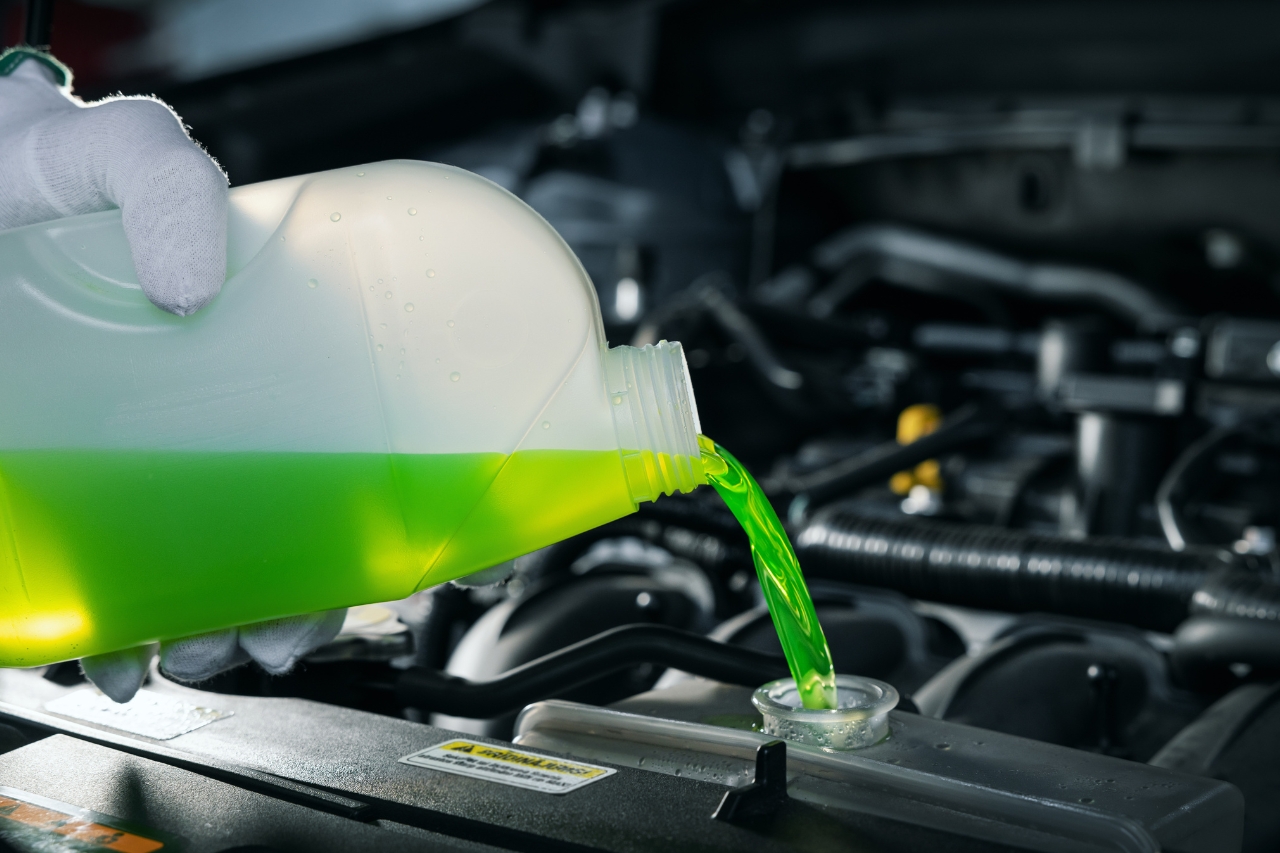
Overheating is a serious concern and can lead to head gasket failure, warped cylinder heads, or complete engine seizure. This is often caused by radiator issues, failing water pumps, or stuck thermostats. Regular coolant flushes, checking the radiator for leaks, and monitoring the temperature gauge while towing or under load are important. When signs of overheating appear, immediate action is crucial. In some cases, especially if recurring, a rebuild or replacement may be necessary. You can find imported engine solutions from this Johannesburg-based engine supplier.
What are common signs of EGR valve failure in the 4JJ1 engine?
The Exhaust Gas Recirculation (EGR) system is designed to reduce NOx emissions, but over time the EGR valve in the Isuzu 4JJ1 engine can clog with carbon deposits. Symptoms include sluggish acceleration, increased fuel consumption, engine hesitation, and even check engine lights. Cleaning the EGR valve every 50,000 km can prevent buildup. If performance issues persist, replacing the EGR valve may be necessary. For long-term peace of mind, it's best to pair a clean EGR system with premium diesel fuel and regular use of fuel additives.
Can DPF clogging be a serious problem in the Isuzu 4JJ1 engine?
Yes — especially in urban driving conditions where the Diesel Particulate Filter (DPF) doesn't get hot enough to burn off soot. A clogged DPF leads to reduced engine power, high fuel usage, and even limp mode activation. The engine may also emit more black smoke. To prevent this, periodic long drives at highway speeds are recommended to initiate regeneration cycles. In severe cases, forced regeneration or even DPF replacement may be required. Regular DPF service and professional diagnostics are part of many offerings at Home of Engines.
How common are timing chain issues in the Isuzu 4JJ1 engine?
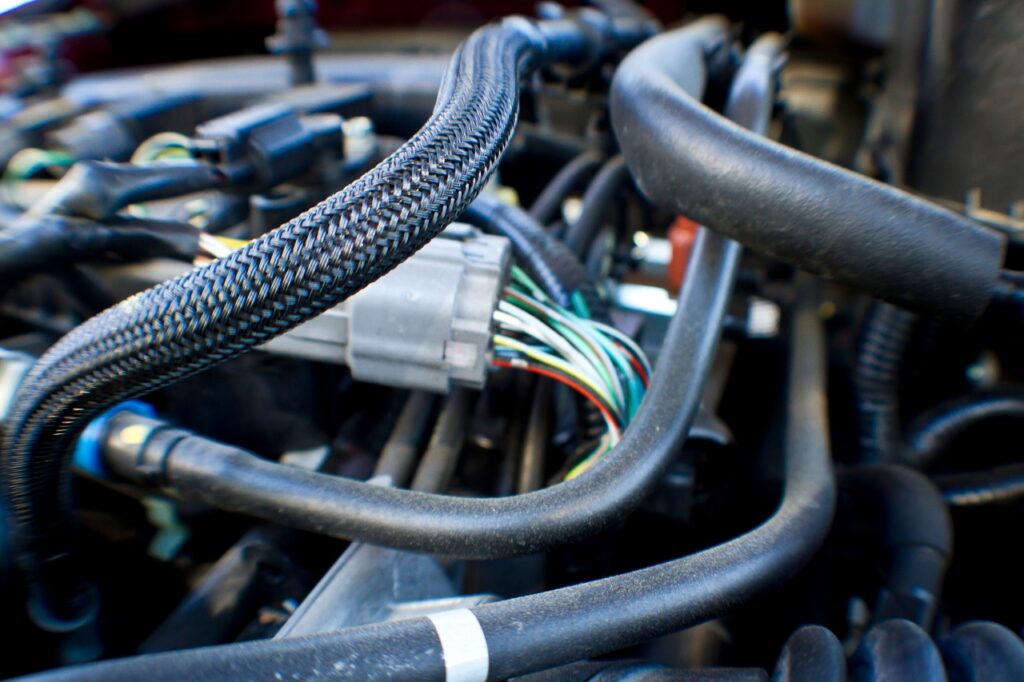
Although the Isuzu 4JJ1 engine uses a robust timing chain (instead of a belt), it can still wear or stretch over time. Noise from the front of the engine, poor idling, and check engine lights are all possible indicators. A stretched chain can throw off timing, causing poor combustion and decreased performance. Chains should be inspected at 200,000 km intervals, and tensioners and guides should be checked for wear. Replacing the timing chain set can be labor-intensive, but it’s far less expensive than catastrophic engine failure if the chain jumps timing.
What oil-related issues should owners watch out for?
Using the wrong engine oil grade or extending oil change intervals can harm the Isuzu 4JJ1 engine. Common oil-related issues include sludge buildup, worn turbo bearings, and decreased fuel economy. Always use the manufacturer-recommended oil viscosity, typically 5W-30 or 5W-40, and opt for full synthetic to provide better protection and longevity. Follow a strict oil change schedule — typically every 10,000 km for normal use, or 5,000–7,500 km under heavy loads or harsh driving conditions.
Is crankshaft sensor failure a recurring problem in the 4JJ1?
Yes, particularly in older models. A failing crankshaft sensor can cause intermittent stalling, failure to start, or poor engine performance. The sensor monitors engine speed and position, so when it fails, the ECU can't adjust timing properly. Replacement is relatively inexpensive and can restore engine reliability. Diagnosing sensor issues usually involves scanning for OBD fault codes, a service offered by many professionals in the engine parts and repair industry.
What should you know about the intercooler in the Isuzu 4JJ1 engine?
The intercooler helps lower the temperature of compressed air from the turbo, which increases performance and efficiency. Over time, it can leak or become clogged with oil from a worn turbocharger. Common symptoms include power loss and increased smoke. Intercoolers should be pressure-tested if issues arise and cleaned regularly if you notice oil accumulation. Ensuring proper turbo function also helps protect the intercooler and related components.
When is it time to replace the engine instead of repairing it?
If your Isuzu 4JJ1 engine has suffered multiple failures — such as a blown head gasket, failed turbo, and worn injectors — replacing the engine might be more cost-effective than repeated repairs. Engine replacement is especially viable if you rely on the vehicle for work or long-distance travel. For affordable options, especially reconditioned or low-mileage second-hand units, explore options like second-hand Ford engines for sale or other suitable brands for comparison. Always ensure compatibility and buy from reputable dealers with warranties.