Toyota 4A Engine: Specs, Common Issues, and Why It’s Still a Reliable Choice
Home of Engines & Gearboxes · 19 September 2025 · 7 min read
The 4a engine has earned a reputation for reliability, economy, and simplicity — qualities that keep it in demand for used engine buyers, mechanics, and fleet owners across South Africa.
What is the 4a engine and where did it come from?
The 4a engine is part of Toyota's A-series family of inline-four petrol engines that powered a wide range of compact cars and bakkies. Introduced as an evolution of Toyota's small-displacement engines, the 4a engine range includes variants such as the 4A-F, 4A-FE, 4A-GE and turbocharged or economy-tuned revisions. According to Wikipedia, the A engine family spans many displacements and technologies, which is why the 4A variants were adapted for everything from economy city cars to sporty hatchbacks.
In the South African market the 4a engine remains sought after for engine replacements and crate engines because of its parts availability and familiarity among mechanics. Many second-hand 4a engine units arrive as UK-imported low-mileage engines and are then fitted into locally registered cars or bakkies.
What are the main specs of the 4a engine?
The 4a engine family covers multiple specifications depending on variant (SOHC vs DOHC, carbureted vs fuel-injected). Typical specs include a 1.6-litre displacement, inline-4 layout, and power outputs that vary by tuning from around 75 hp in economy forms to 130+ hp in high-performance 4A-GE variants.
Quick spec table (typical 4A-FE baseline):
Item
Typical Value
Configuration
Inline-4
Displacement
1.6 L
Valvetrain
SOHC / DOHC (varies)
Fuel system
EFI (4A-FE) or carburettor (older)
Typical power
75–130+ hp
These specifications are one reason the 4a engine is a common replacement option for cars and bakkies where owners need a balance between economy and usable performance.
Why is the 4a engine so popular for used engines and replacements?
Popularity of the 4a engine stems from durability, parts availability, and straightforward mechanics. The design is simple to service, which reduces workshop labour time compared with modern complex engines. For mechanics and fleet owners in South Africa looking for affordable engine solutions, the 4a engine offers a predictable lifecycle and established repair procedures.
Industry context: many buyers source UK-imported low-mileage engines when replacing worn units. Suppliers often offer complete engines with alternator, pumps and turbos included, and a three-month warranty to provide confidence in second-hand purchases. For example, a trusted RMI-approved engine supplier will offer nationwide delivery and expert support to help with compatibility and installation decisions.
How do I choose between a used 4a engine and a rebuilt crate engine?
Choosing depends on budget, risk tolerance and long-term plans. A used 4a engine (often lower cost) can be ideal if you need immediate, affordable replacement and accept some remaining wear. A rebuilt or crate engine costs more but gives a higher degree of certainty on internals, often with a warranty and documented rebuild work.
Used engine: lower cost, variable history, faster turnaround.
Rebuilt/crate engine: higher cost, known condition, usually longer warranty.
Consideration: availability of replacement parts and expertise among local mechanics in South Africa.
Home-of-engines-type services in Johannesburg and nationwide can supply both used and rebuilt options — check their services page for installation and warranty offerings: Services.
[caption id="" align="alignnone" width="1536"] 4a engine[/caption]
What are the most common issues with the 4a engine and how are they fixed?
Common 4a engine problems are generally age-related rather than design flaws. Typical issues include worn valve seals, oil leaks (rear main seal, valve cover gasket), timing belt wear, and intake manifold gasket degradation. The turbo variants may show wastegate or turbocharger wear; high-revving 4A-GE examples sometimes need valve adjustments more frequently.
Repair strategies:
Timing belt and water pump replacement on schedule to avoid catastrophic failure.
Regular valve clearances where applicable and oil change discipline to limit wear.
Use of complete engine units with pumps and alternator included reduces installation time and avoids mismatch parts.
For fleet owners and mechanics, sourcing a second-hand 4a engine from an RMI-approved supplier with a 3-month warranty mitigates the short-term risk of unforeseen issues.
How do I confirm compatibility of a 4a engine with my vehicle?
Compatibility checks should confirm engine code, ECU compatibility, transmission bellhousing alignment, mounts and ancillaries like alternators and air-conditioning compressors. An expert supplier will offer compatibility support and often provide harness adaptors or suggestions for gearbox pairing.
Useful steps:
Identify your current engine code and VIN details.
Ask the supplier for wiring diagrams and fitment notes.
Confirm gearbox compatibility (manual/automatic) and any ECU coding needs.
If you’re sourcing an engine in South Africa, a specialist can advise whether the 4a engine will match a manual gearbox or require modifications — services and imported-engine listings often include fitment notes: Imported engines for sale in Johannesburg.
What should I look for when buying a second-hand 4a engine?
When buying a used 4a engine inspect compression, oil condition, evidence of coolant leaks, and the condition of the timing belt and pulleys. Low-mileage UK-imported engines are popular because they often show less internal wear and clearer service history.
Checklist for buyers:
Service history and proof of mileage where possible.
Visual inspection for leaks and corrosion.
Compression and leak-down test results.
Included ancillaries (alternator, turbo if applicable).
How much does a 4a engine replacement cost in South Africa?
Costs vary with condition, whether the engine is used or rebuilt, shipping (for UK-imported low-mileage engines), and installation labour. As a rough guide: used engines are typically the most affordable; rebuilt crate engines command premium prices plus installation. According to HomeOfEngines listings and service packages, the total delivered-and-fitted cost often competes well with replacing an entire late-model vehicle when considering downtime and parts scarcity.
Factors that affect price:
Engine condition and mileage.
Inclusion of ancillaries like alternator and turbo.
Warranty length (3-month warranty is a common baseline).
Nationwide delivery fees and import duties.
Can I use a 4a engine in non-Toyota vehicles or custom projects?
Yes. The 4a engine's simple architecture and plentiful aftermarket support make it suitable for swaps and custom projects. However, custom installations require careful planning for engine mounts, wiring harnesses, ECU control, and gearbox mating. Many workshops in South Africa undertake conversions for older project cars and bakkies because the 4a engine balances light weight with reliability.
Recommendations for swaps:
Secure a wiring harness adapter or custom ECU solution.
Confirm driveshaft and gearbox fitment; gearboxes from Toyota models with the same bellhousing pattern are simplest.
Ensure emissions and registration compliance with local authorities after installation.
What warranty and aftercare should I expect for a purchased 4a engine?
Reputable suppliers in South Africa and Johannesburg typically provide at least a 3-month warranty on second-hand engines and gearboxes. A warranty should cover internal failures not caused by installation faults, and many suppliers offer optional installation and post-fit support to reduce risk.
Aftercare best practices:
Change oil and filter immediately after fitment to remove transport or storage contaminants.
Follow the supplier's break-in recommendations for oil and service intervals.
Use approved coolant and maintain the cooling system to protect head gaskets and cylinder head components.
According to industry standards quoted by reliable suppliers, a 3-month warranty plus expert installation support is a common package to look for when sourcing engines and gearboxes in the used market.
How do emissions and registration rules affect importing and installing a 4a engine in South Africa?
Importing engines and installing them in vehicles in South Africa requires compliance with local import regulations, emission standards, and registration procedures. Suppliers who handle UK-imported low-mileage engines often help with paperwork and can advise on registration requirements to ensure compliance with SA import and registration regulations.
Checklist for legal compliance:
Keep documentation for the imported unit: invoice, export paperwork, and service history.
Ensure vehicle modifications pass local roadworthy and emissions tests.
Consult an RMI-approved supplier for guidance on legal and paperwork requirements.
Where can I buy a reliable 4a engine and get professional installation?
You can source second-hand and imported 4a engines from RMI-approved engine suppliers that offer nationwide delivery across South Africa, often with expert support and a 3-month warranty. For a broad selection across brands and models, check reputable dealer pages and service offerings to compare options.
Useful links for shopping and support:
Is the 4a engine still a good long-term choice for fleet owners?
Yes. Fleet owners often prioritise low operating cost, parts accessibility and predictable maintenance — all strengths of the 4a engine. With disciplined oil and timing-belt maintenance, many 4A variants provide long service lives. According to the Retail Motor Industry (RMI), sourcing RMI-approved second-hand engines with a warranty and documented history reduces downtime and risk in fleet operations.
Final practical advice: factor in delivery and installation lead times, confirm gearbox and ECU compatibility, and choose suppliers who include ancillaries like alternators and pumps to minimise installation surprises. For fleet procurement, consider suppliers who handle registration and provide nationwide delivery to speed up vehicle returns to service.

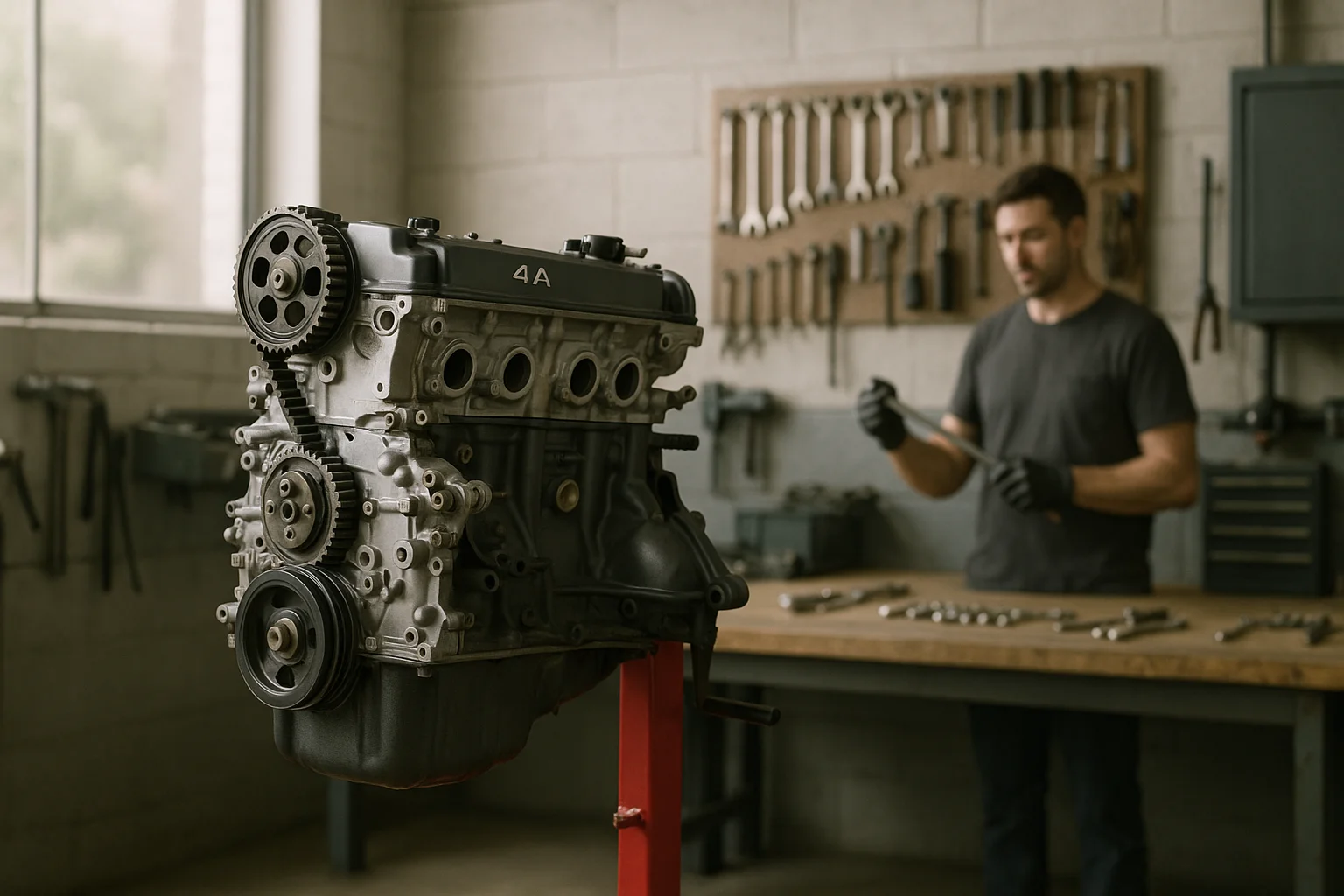
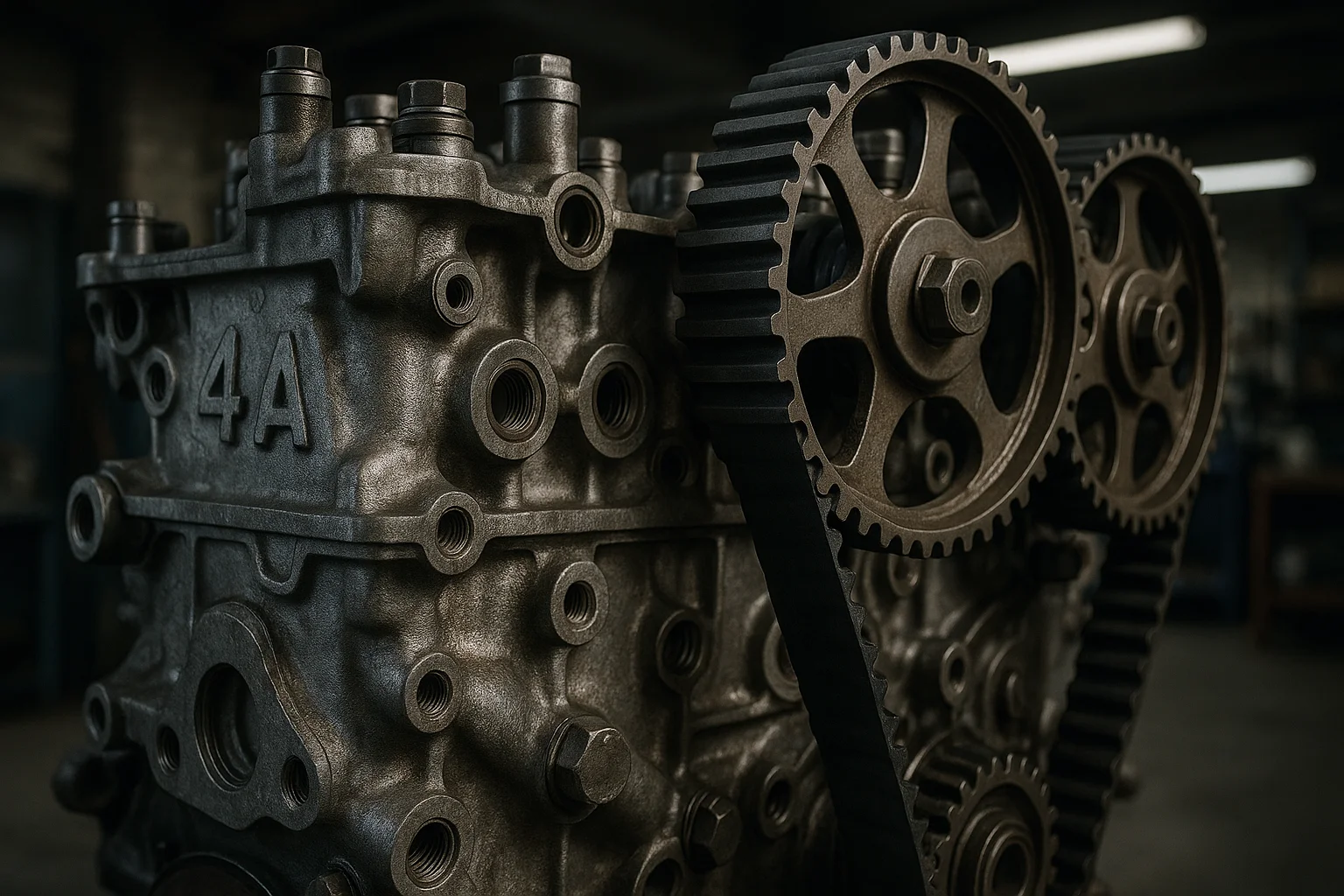 4a engine[/caption]
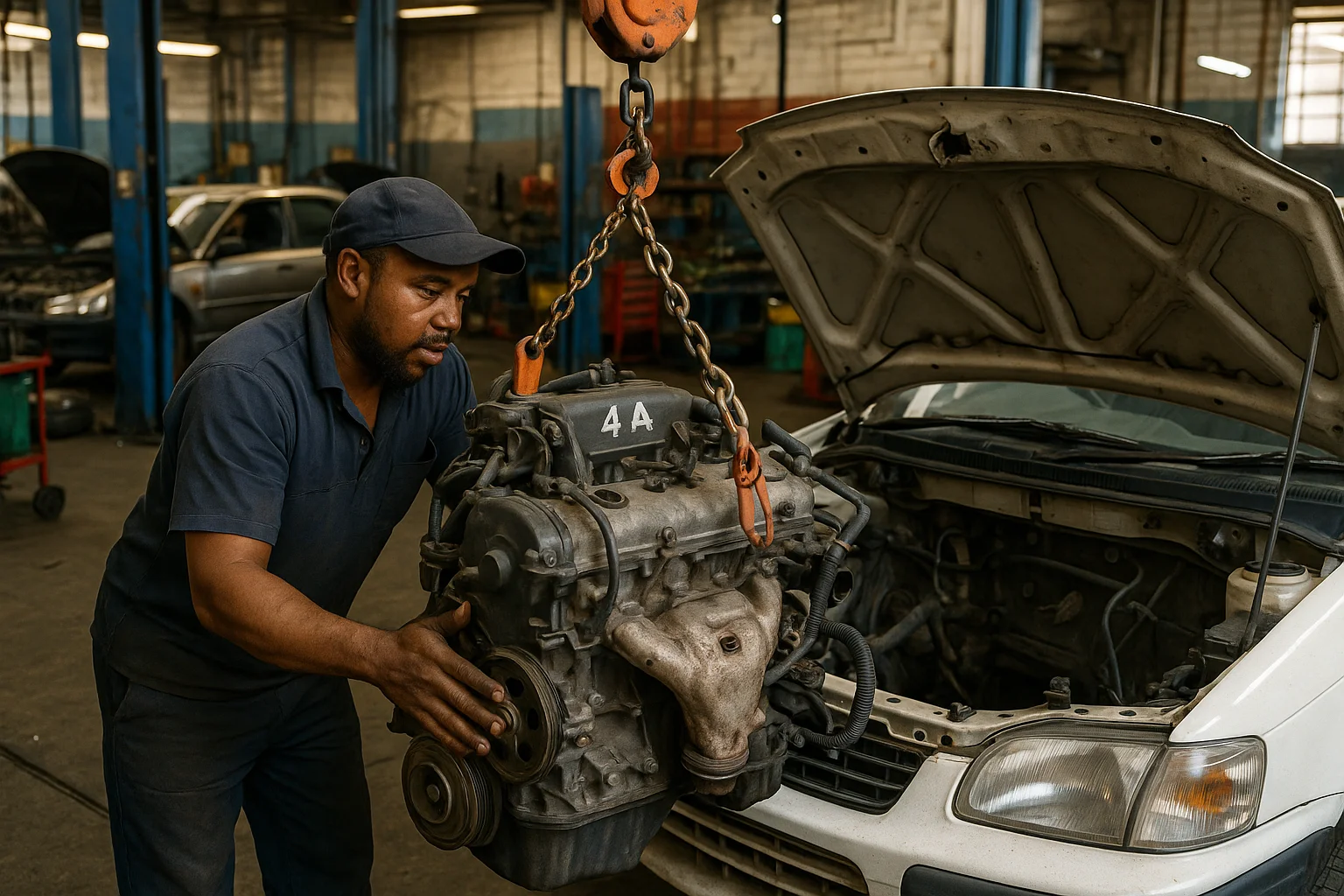 4a engine[/caption]
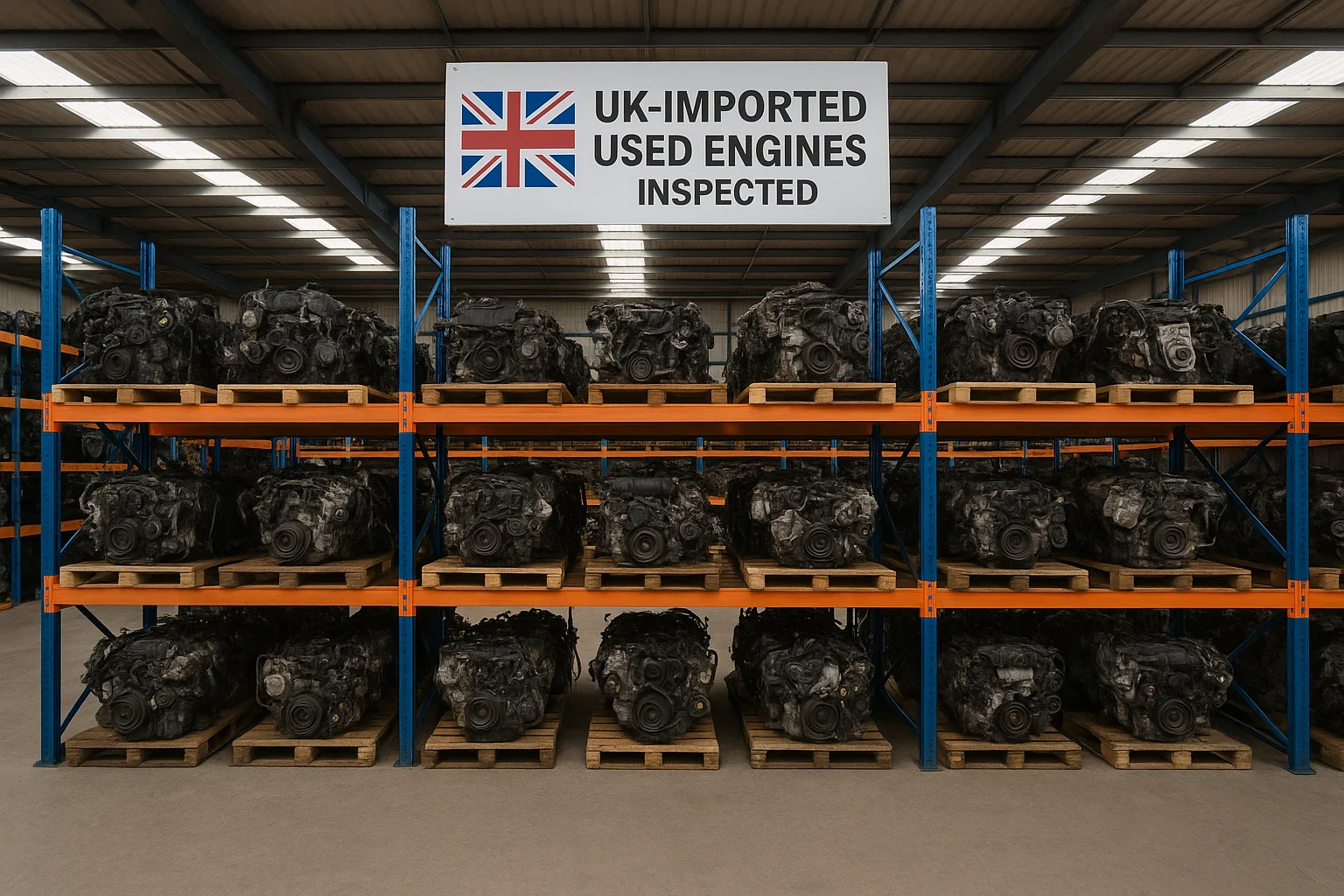 4a engine[/caption]