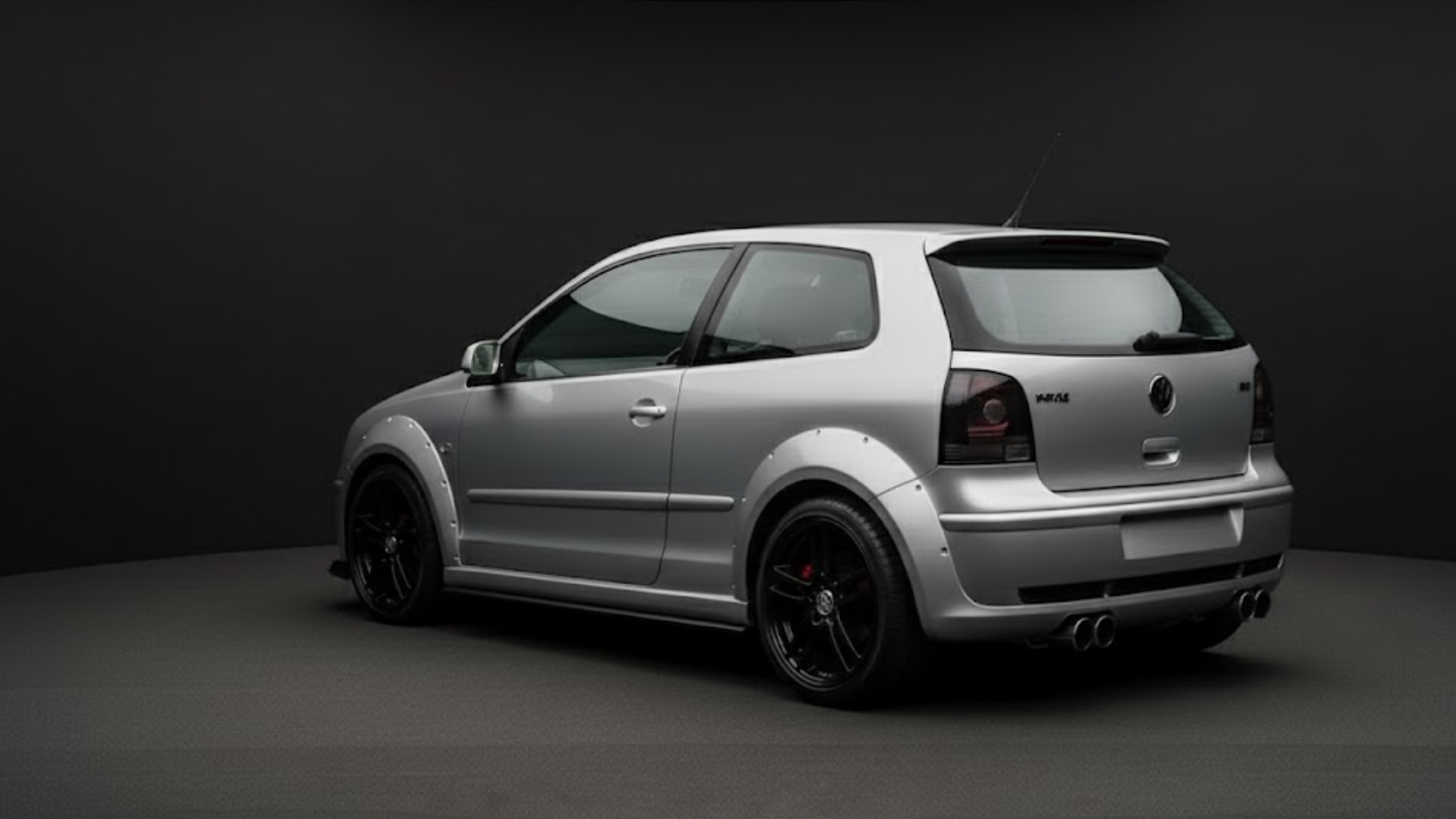
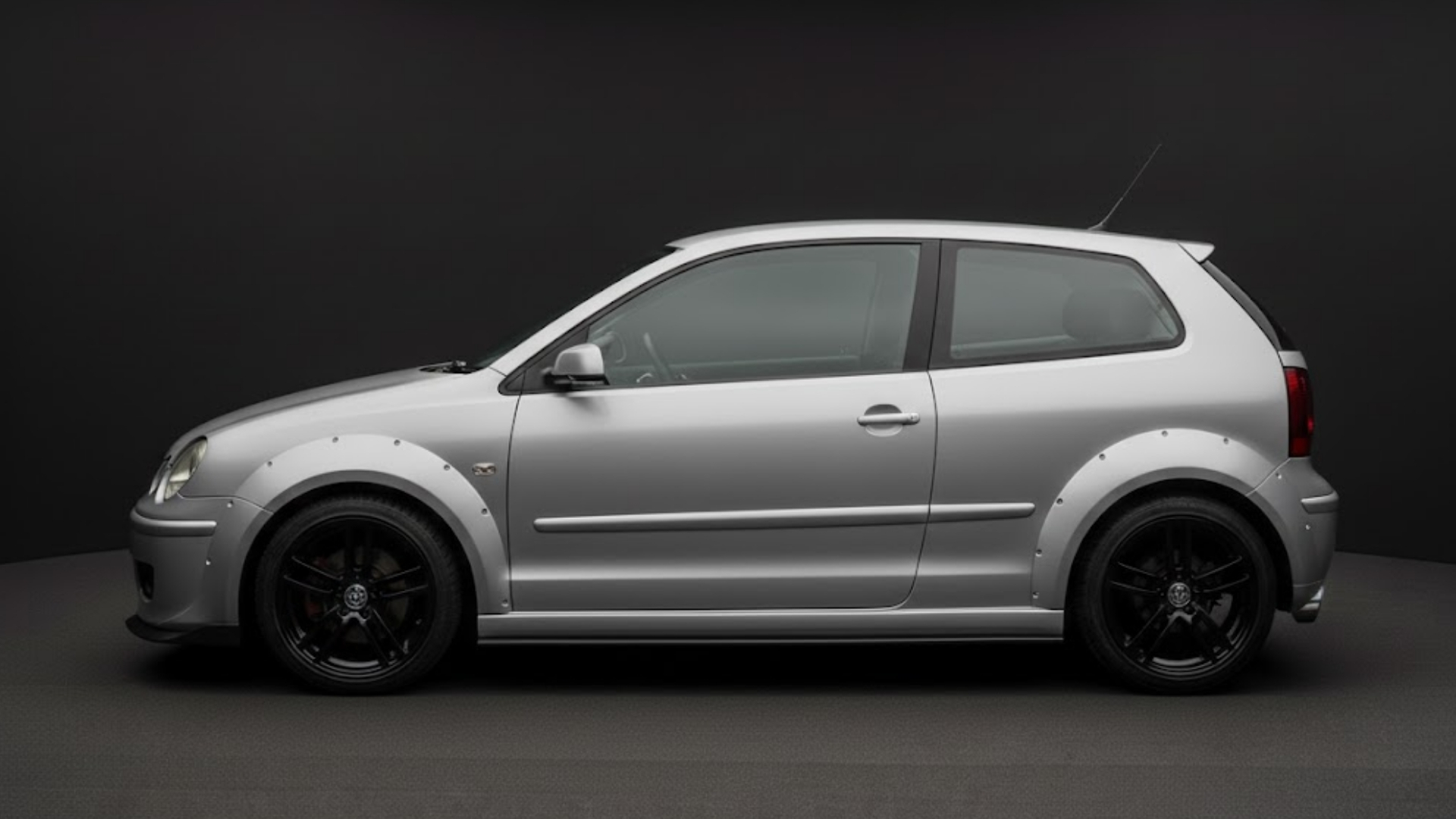
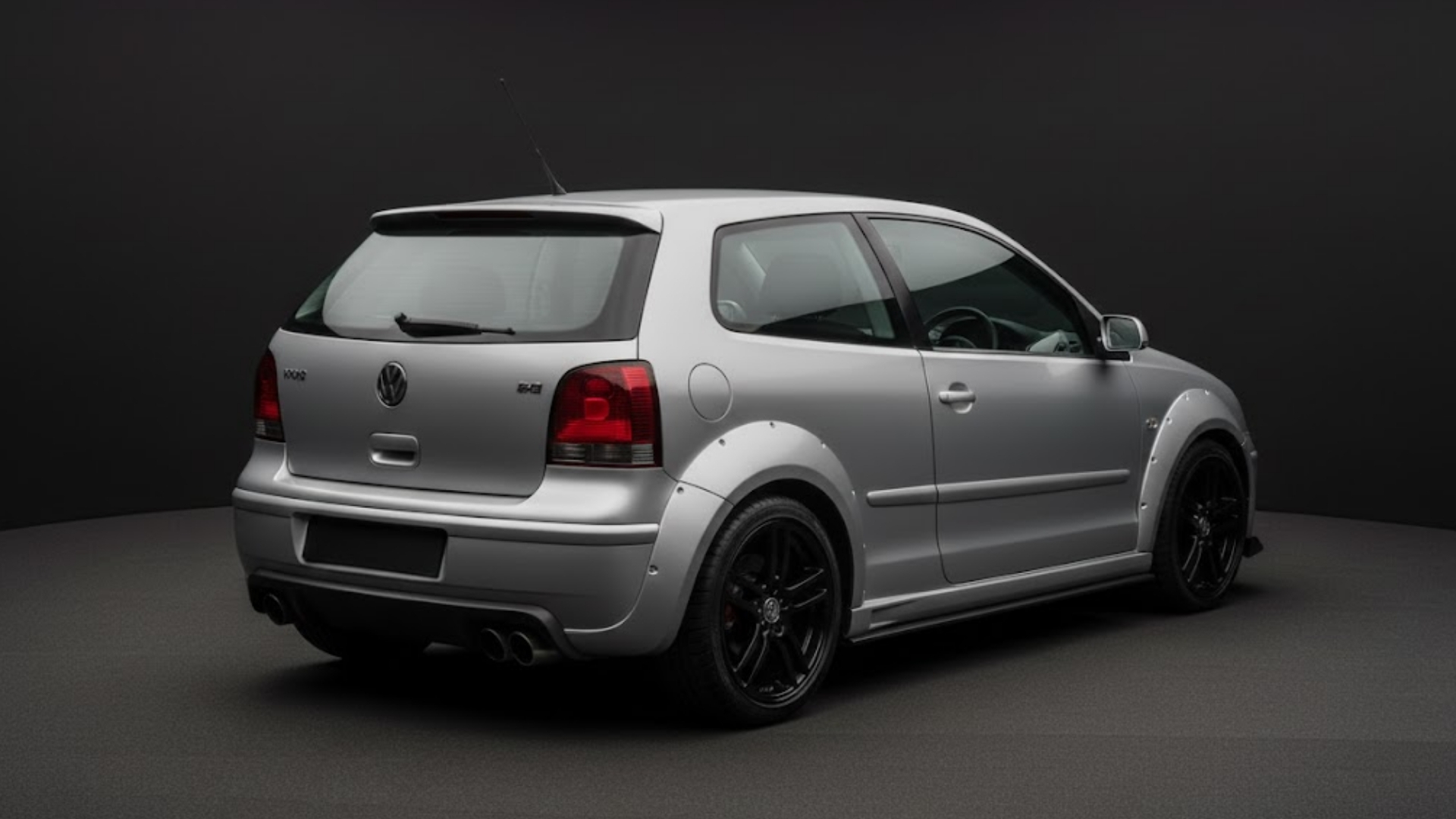
The polo 1.9 tdi remains a sought-after diesel option for buyers, mechanics and fleet owners who prize torque, economy and simple drivetrain durability. This guide answers the most common questions about torque, fuel use, long-term reliability and how to source or replace a 1.9 TDI in South Africa.
polo 1.9 tdi: What is it?
The polo 1.9 tdi is a cast-iron-block, turbo-diesel engine that was fitted in various Volkswagen Polo models across multiple generations. It earned a reputation for producing strong low-end torque, excellent fuel economy for its era and straightforward mechanical layout that is friendly to independent garages. The engine is available in several states of tune — including naturally aspirated SDI variants and turbocharged PD versions — but when people refer to the polo 1.9 tdi they usually mean the turbocharged 1.9-litre TDI family that balances driveability with economy.
How much torque and power does the polo 1.9 tdi produce?
The power and torque depend on the specific 1.9 TDI variant and year. A common mid-range tune produced around 90 PS (66 kW) and approximately 210 Nm of torque, giving the Polo brisk acceleration for city and highway driving. These diesel units were tuned for torque rather than peak horsepower, so the driving experience emphasises pull from low revs.
Typical factory outputs (approximate):
- 1.9 SDI (non-turbo): ~64 PS, low torque — economical but slow
- 1.9 TDI (early turbocharged): ~75–90 PS, ~180–210 Nm
- 1.9 TDI PD (pumpe-düse): up to 130 PS in high-output variants, higher torque figures
According to the Volkswagen/Polo technical summaries compiled on public reference pages, many 1.9 TDI variants were specified around 90 PS and 210 Nm (see Volkswagen Polo resources for variant data). These numbers explain why the engine remains popular where towing or heavy-load economy are important.
What real-world fuel economy can you expect from a polo 1.9 tdi?
Real-world economy for the polo 1.9 tdi depends on maintenance, driving style and local conditions. In well-maintained examples, owners commonly report combined consumption in the 4.5–6.5 L/100 km range. Heavier urban driving, frequent short trips, and poor servicing push that figure higher, while steady highway work and correct service intervals yield the best economy.
Practical tips to maximise economy:
- Maintain the fuel system and injector timing (especially for PD engines).
- Use recommended oil grades and replace air/fuel filters on schedule.
- Avoid excessive idling and long cold runs; diesel engines reward gentle warm-up and steady cruise.
According to long-term owner reports and workshop summaries, many Polo 1.9 TDI owners see economy that outperforms contemporary petrol alternatives by 20–30% in mixed driving.
Is the polo 1.9 tdi reliable long-term?
Long-term reliability is one of the 1.9 TDI’s strong suits. These engines are relatively simple, with robust cast-iron blocks and conventional fuel systems (except PD variants with unit injectors). With regular servicing and timely replacement of wearable parts—belts, water pump, turbo hoses, and injectors—a 1.9 TDI can last well beyond 300,000 km. However, reliability depends on previous care, any history of neglect, and whether the unit has been reconditioned or imported as a second-hand engine.
Key reliability notes:
- Timing belt intervals must be respected; failure can cause severe engine damage.
- Turbochargers perform well but can fail if oil changes are neglected.
- PD injection systems require careful attention to injector condition and fuel quality.
According to the Representative Motor Industry (RMI) in South Africa, imported second-hand engines should be inspected and fitted by qualified technicians to preserve long-term reliability and ensure compliance with local registration rules.
What are the most common faults and how can you prevent them?
Common faults with the polo 1.9 tdi include turbo wear, injector failure (especially on PD units), EGR and intake clogging, and timing-belt-related issues. Electrical gremlins can appear as cars age, and some earlier models may show gearbox or clutch wear under high torque loads. Prevention relies on scheduled maintenance, clean fuel, and early intervention when symptoms appear.
Preventative checklist:
Addressing small issues early prevents costlier repairs; many workshops in South Africa and independent mechanics provide diagnostic and cleaning services to extend the engine’s life.
How do I source a replacement polo 1.9 tdi engine in South Africa?
Sourcing a replacement 1.9 TDI in South Africa can be done via local reconditioners, RMI-approved suppliers, or imported low-mileage units. If you need a like-for-like swap, consider second-hand engines from trusted vendors who supply complete engines with ancillaries (alternator, turbo, pumps) and a warranty. Many buyers prefer RMI-approved suppliers because they offer documentation and support for registration and compliance.
Where to start:
- Check reputable national suppliers and reconditioners for availability and warranty terms.
- Ask for a full engine report: mileage, service history, included ancillaries, and warranty coverage.
- Consider imported low-mileage engines if local stock is limited — verify compliance with South African import and registration regulations.
Home of Engines advertises nationwide delivery and service support for imported engines — see their national portal for details and to compare second-hand Volkswagen options. You can also browse local imported engines stock for Johannesburg specifically if you need fast regional delivery:
Local to you.
What should I expect to pay and what warranty is reasonable?
Prices vary by condition, included ancillaries and whether the engine is tested, reconditioned, or a low-mileage import. Typical price bands (indicative): used core engines at lower end, reconditioned or low-mileage imports at mid to high end, and fully crate/rebuilt engines at the top. A three-month parts-and-labour warranty is a common baseline for used-engine suppliers in South Africa, with longer warranties offered on reconditioned or crate units.
When comparing suppliers, ask about:
- What is included (alternator, turbo, manifolds, sensors)?
- Is there a fitment/installation service and technical support?
- Warranty terms and what they cover (labour, breakdown, specific parts)?
According to Home of Engines, many RMI-approved suppliers and reconditioners in South Africa provide a standard 3-month warranty on engines and gearboxes and additional installation support where requested.
Can I swap gearboxes or fit a different transmission to the polo 1.9 tdi?
Transmission compatibility matters. The 1.9 TDI was commonly paired with manual gearboxes, though some variants used automatic gearboxes. Swapping to a different gearbox requires checking bellhousing bolt patterns, clutch compatibility, flywheel alignment, and ECU matching where applicable. Expert support is strongly recommended to ensure the gearbox and engine management integrate correctly.
Workshop steps for gearbox swaps:
- Confirm gearbox model fitment and bellhousing pattern.
- Verify clutch and flywheel compatibility (or plan to adapt).
- Check for electronic linkage or ECU requirements on auto/manual conversions.
- Test and calibrate after installation to avoid drivability issues.
Specialist suppliers often provide gearbox replacement as a service alongside engine sales — check service pages for fitment support and nationwide installers:
Services.
Should I buy a used, low-mileage imported, or crate engine?
Each option has pros and cons. Used core engines are cheapest but have unknown wear; low-mileage imports can be cost-effective if the history is verified; crate or fully reconditioned engines cost more but reduce risk and may carry longer warranties. Your choice depends on budget, intended vehicle lifespan, and whether you need quick turnaround for a fleet vehicle.
Comparison table:
Mechanics and fleet owners in South Africa often prefer low-mileage imported engines for cost-effectiveness, but insist on supplier documentation and a warranty. Home of Engines lists second-hand Volkswagen engines and other brand options for comparison:
VW and broader brand inventories that include Ford and other manufacturers to help fleet operators choose the right replacement unit:
Engines
What maintenance schedule keeps a polo 1.9 tdi healthy for the long term?
Maintain a strict schedule: oil and filter changes at recommended intervals, timing-belt and water-pump replacement per service manual, periodic fuel-filter replacement, and injector/turbo inspections. Diesel engines benefit from warm driving cycles, clean fuel, and occasional highway runs to avoid soot buildup. Keep records — a well-documented service history increases resale and sourcing value in the South African market.
Practical maintenance plan:
- Oil & filter: every 10,000–15,000 km or per manufacturer guidance
- Fuel filter: every 20,000–40,000 km
- Timing belt & water pump: every 60,000–120,000 km depending on model
- Injector check/clean: as symptoms or per service schedule
Following these steps, many owners in South Africa and abroad keep 1.9 TDI engines on the road reliably for many years.
Is buying a polo 1.9 tdi worth it in South Africa today?
For buyers who want a durable, economical diesel with strong low-end torque, the polo 1.9 tdi remains a compelling option — especially for mechanics repairing client cars or fleet owners seeking affordable, robust powerplants. Factors to consider: availability of spares, emission regulations in some urban centres, and whether a second-hand import or reconditioned unit fits your budget and compliance needs. For many fleet and independent workshop customers, the balance of torque, fuel economy and mechanical simplicity makes the 1.9 TDI a practical and economic choice.
Final decision checklist:
- Confirm the exact variant and torque/power needed for duties.
- Verify documentation and warranty when buying second-hand or imported units.
- Use RMI-approved suppliers or trusted installers to ensure compliance and fitment support.
For more reading on the Polo lineage and technical variants, see the vehicle overview on Wikipedia:
VW POLO.
Where can I get expert support and installation for a polo 1.9 tdi swap?
If you need professional installation, reconditioning or nationwide delivery in South Africa, look for suppliers who offer complete engines with alternator, turbo and pumps included, RMI-approved status and technical support. Many reputable engine suppliers also provide installation services or can recommend certified fitment partners. Before signing, request the warranty in writing and confirm what is covered during the agreed fitment period.
Practical next steps:
- Request a full parts list and condition report for the engine being purchased.
- Ask for lead time on delivery and availability of installation or technical support.
- Confirm the warranty duration and whether it covers labour for failures after fitment.
Trusted suppliers in the South African market provide nationwide delivery and technical aftercare to help mechanics, fleet owners and private buyers complete swaps efficiently — many advertise their service offerings and engine inventories online at the company portal:
Home of Engines and Gearboxes