
BMW E90: Best Engines, Known Problems, and What to Check Before Buying in South Africa
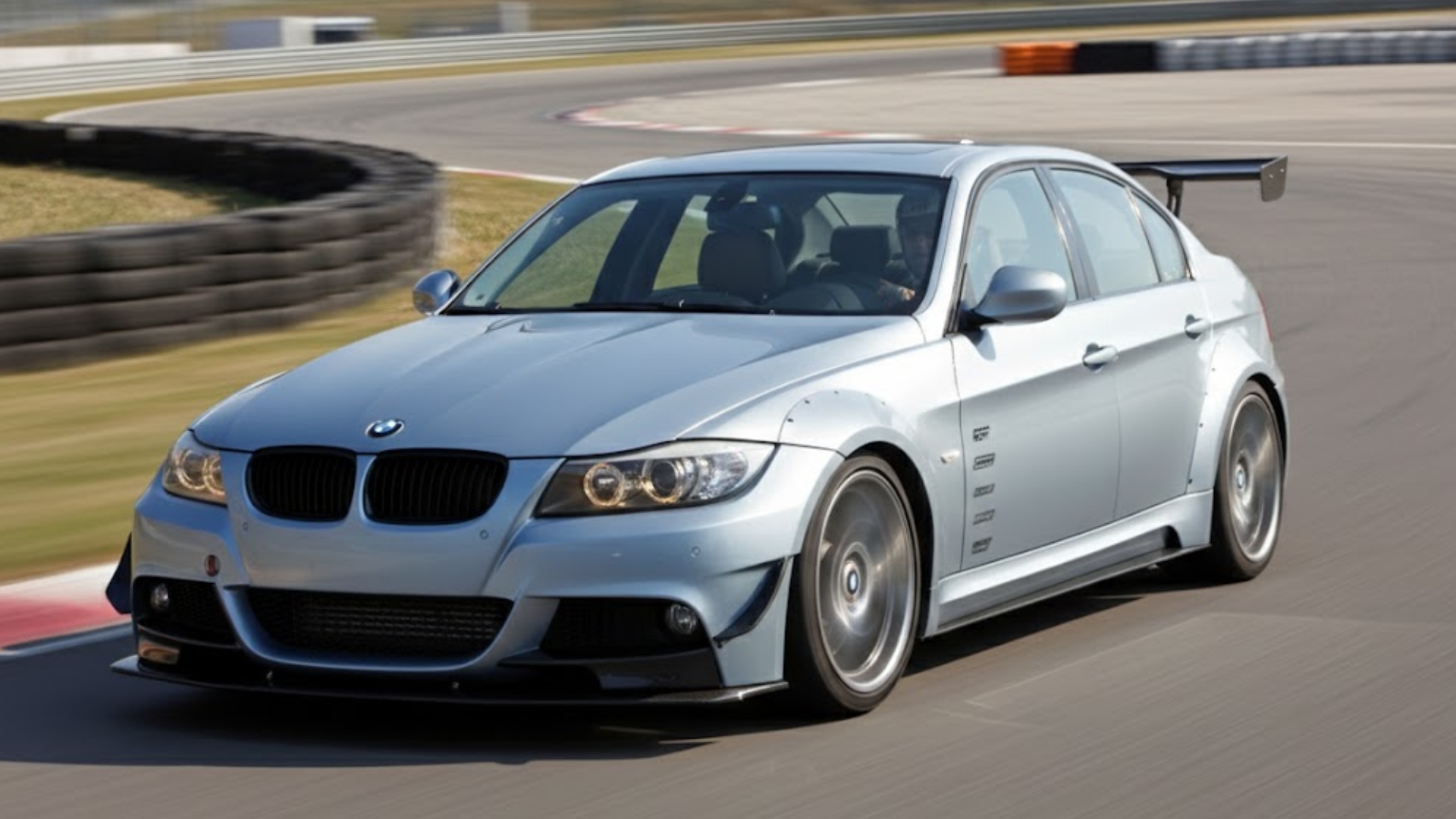
The bmw e90 remains a popular choice in South Africa for enthusiasts and everyday drivers alike; this guide explains the best engines, common problems, and what to check before buying or importing a replacement engine.
1. Which BMW E90 engines are the best for reliability and performance?
The BMW E90 was offered with a range of petrol and diesel engines; which is "best" depends on your priorities. For balanced reliability and refinement, the naturally aspirated N52 2.5–3.0 petrol engines are a strong choice. For outright performance, the twin-turbo N54 (found in early 335i models) offers high power but requires careful maintenance. On the diesel side, the M47 and later N47 engines provide excellent torque for bakkies and long-distance driving, but the N47 has timing-chain concerns on some variants.
- N52 (petrol): Smooth, durable, good for daily drivers and mechanics seeking simpler maintenance.
- N54 (petrol turbo): Performance-focused, tunable, but higher maintenance and potential high-pressure fuel pump or turbo issues.
- M47 / N47 (diesel): High torque, economical for long distances; check timing chain guides on N47s.
If you plan to source a second-hand engine from a specialist, consider UK-imported low-mileage engines that come fully stripped and tested; for example, trusted suppliers in South Africa list complete engines with alternator, turbo and pumps included to simplify installation. You can see available BMW units on the supplier brand page: second-hand BMW engines.
2. What are the most common mechanical problems to look for on a BMW E90?
Many common E90 problems are well documented and vary by engine family. Typical recurring issues include VANOS performance faults on petrol engines, high-pressure fuel pump (HPFP) failures on direct-injection turbos, oil leaks from valve cover gaskets, and diesel timing-chain guide wear on some N47 units. Transmission and dual-mass flywheel wear are also frequent on higher-mileage cars.
When inspecting a car or engine, use a checklist that includes compression/leak-down tests, smoke checks (blue smoke = oil burn), and a scan for stored engine fault codes. If you’re buying an imported engine for replacement, make sure the supplier offers expert support for engine compatibility and installation services to avoid registration or fitment issues in South Africa.
3. How can I tell if a used BMW E90 engine has been well maintained?
Maintenance history is the single best indicator. Look for stamped service records, receipts for timing-belt/chain work, documented oil changes and any major repairs such as turbo or gearbox rebuilds. A careful visual inspection will reveal signs of neglect: heavy external oil sludge, coolant residue, or aftermarket repairs that look improvised. Low-mileage UK-imported engines often arrive with inspection certificates and photographic proof—these can be easier to verify than local private sales.
- Check oil condition and level; milky oil suggests coolant ingress.
- Inspect for coolant leaks and the condition of hoses and pumps.
- Ask if the engine is sold as a complete crate engine with alternator, turbo and ancillaries included to reduce compatibility surprises.
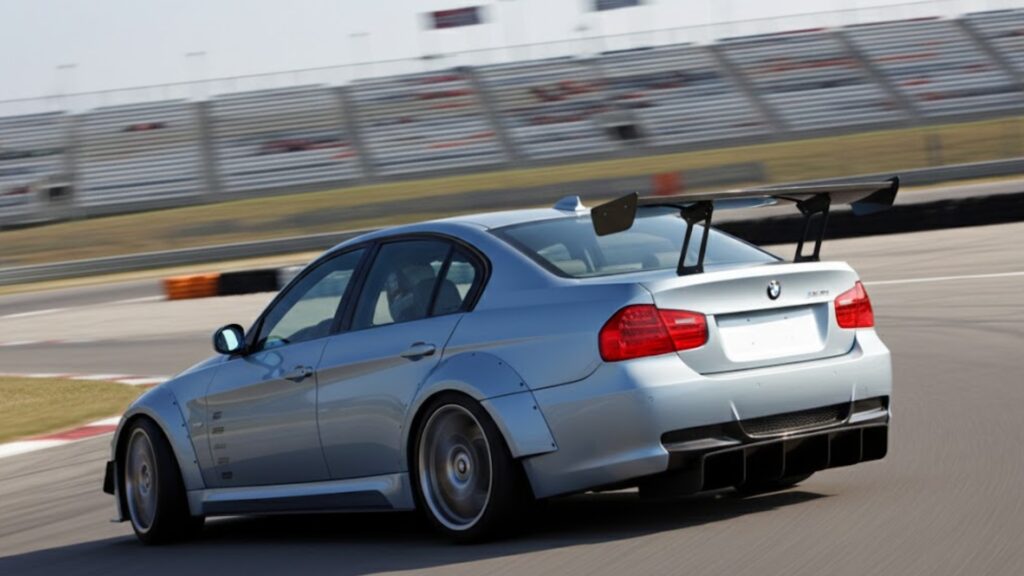
4. Is the BMW E90 expensive to maintain in South Africa?
Maintenance costs depend on engine choice, local parts availability, and whether you use OEM or second-hand components. Performance engines like the N54 require more attention (and more costly parts) than a naturally aspirated N52. Diesel models can be economical on fuel, but turbo and high-torque components may be costly to repair.
According to the Retail Motor Industry Organisation (RMI), warranty and supplier credibility significantly affect overall ownership costs for used-car buyers in South Africa. Choosing a supplier that offers a 3-month warranty on engines and gearboxes reduces risk and can lower long-term costs for fleet owners and private buyers.
5. What should South African buyers check when sourcing a replacement engine or gearbox?
Buyers should verify legal compliance with SA import and registration regulations, compatibility of engine mounting and electronics, and whether the engine comes complete with ancillaries. Ask if the unit is RMI-approved or from a trusted engine supplier, whether nationwide delivery is available, and if there’s expert support for engine compatibility. Crate engines and UK-imported low-mileage engines are popular because they often arrive tested and complete.
| Check | Why it matters |
|---|---|
| Documentation | Proof of origin, service history, and compliance with SA import rules |
| Completeness | Includes alternator, turbo, pumps to avoid fitment surprises |
| Warranty | Supplier warranty mitigates early failures (e.g., 3-month warranty) |
| Compatibility | ECU and gearbox coding needs to match for seamless operation |
For sourcing and services, consider specialists that provide nationwide delivery and installation help, and see the supplier services page for engine replacement and gearbox support: engine services.
6. Should I prefer a second-hand engine or a reconditioned crate engine for my BMW E90?
The choice depends on budget, time and risk tolerance. Second-hand engines are usually more affordable and widely available — many South African mechanics use UK-imported low-mileage second-hand engines for cost-effective replacements. Reconditioned crate engines or remanufactured units offer more certainty and parts replacement but cost more up-front.
Consider your vehicle’s role: a daily commuter or a fleet bakkie might prioritize cost and quick turnaround, while a restored E90 or performance car might merit a reconditioned unit. Trusted suppliers often list options across categories and can advise on fitment, gearbox pairing and installation to keep downtime low. Browse imported options available in Johannesburg here: imported engines.
7. What are timing chain and VANOS issues on the E90 — how serious are they?
Timing-chain problems are primarily associated with certain diesel N47 engines and some high-mileage petrol units. A failing timing chain or guides can lead to catastrophic engine damage if not addressed. VANOS (variable valve timing) solenoid and sealing problems on petrol engines cause rough idle, loss of torque and warning lights, but are usually repairable without full engine replacement.
- Timing chain noise (rattling at cold start) requires immediate inspection.
- VANOS faults often present as reduced low-end power and poor fuel economy.
- When sourcing a replacement engine, verify whether timing components were renewed—this adds confidence.
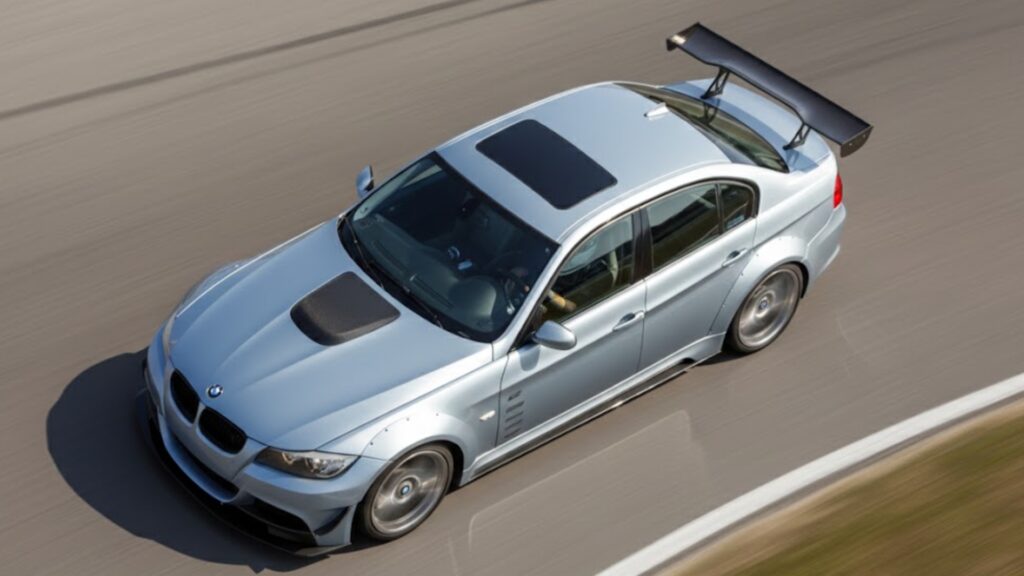
8. How do gearbox and clutch issues interact with BMW E90 engines?
Gearbox health is critical: worn manuals often have slipping or noisy synchros; automatics can suffer from mechatronic faults or torque converter wear. Because BMW engine and transmission electronics are integrated, replacing an engine may require gearbox coding or ECU reflashing. Many suppliers offer paired engine and gearbox deals with a warranty to simplify this — for example, an RMI-approved supplier may include gearbox replacement or support when you buy a compatible engine.
If you're a mechanic or fleet owner, consider buying a matched engine and gearbox package to reduce installation time and avoid ECU or CAN-bus incompatibility. HomeOfEngines lists second-hand engine and gearbox options across multiple brands to serve workshops: brands & options.
9. Are turbo petrol engines (like the N54) worth it for South African roads?
Turbo petrol engines such as the N54 deliver impressive power and tuning potential but require proactive maintenance. High temperatures, long-distance driving and variations in fuel quality can increase service demands. If you value performance and will maintain the car diligently (timely oil changes, attention to HPFP and turbo health), a turbo petrol can be rewarding. If you need low operating cost and simplicity, a naturally aspirated petrol or diesel may be more sensible.
Mechanics and buyers in South Africa often opt for turbo diesel engines when torque and fuel economy matter most — bakkies and long-distance commuters especially benefit from high-torque diesel units. For performance buyers, consider whether the seller offers expert support for tuning and parts sourcing.
10. What legal and registration checks are necessary after fitting a replacement engine in South Africa?
After fitting a replacement engine, you must comply with local registration and vehicle licensing rules. Ensure the engine’s VIN linkage, VIN plate or engine number documentation aligns with the vehicle’s registration, and confirm any import duty or clearance was completed. Suppliers that specialise in imported engines often provide documentation to help with registration and compliance. According to HomeOfEngines, their stock often carries a three-month warranty on engines and gearboxes and comes with documentation to support SA registration.
Work with an RMI-approved supplier if possible, and consult your registering authority for specific paperwork. Proper documentation prevents issues during roadblocks, resale or insurance claims.
11. Where can I find trusted BMW E90 engines, parts and installation help in South Africa?
Trusted sources include RMI-endorsed engine suppliers, specialist importers of UK low-mileage engines, and workshops that offer nationwide delivery and installation services. Many South African buyers and mechanics rely on companies that list second-hand engines across over 20 brands (Ford, Toyota, BMW, Nissan, Mercedes and more) and provide expert compatibility support.
For BMW E90-specific stock and paired gearboxes, start with a dedicated supplier page for second-hand BMW engines and then consult their services page for engine installation and gearbox replacement options. For direct browsing, check the second-hand BMW engines page here: second-hand BMW engines.
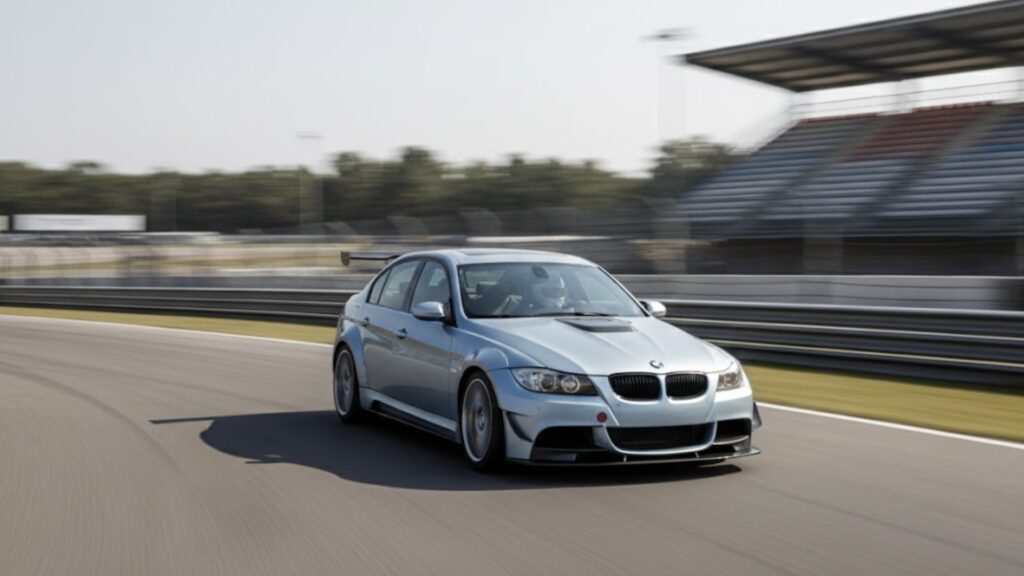
12. Final checklist: What to do before you buy a BMW E90 or replacement engine
Before you commit, run through this final checklist to avoid common pitfalls:
- Confirm the engine family and common faults for that variant (e.g., N47 timing chain, N54 HPFP).
- Obtain service records and any inspection certificates; request compression/leak-down results.
- Buy from a supplier who offers a warranty and documented UK-imported low-mileage options if possible.
- Verify the engine is complete with ancillaries, or budget for additional parts and installation.
- Check SA import/registration documents and whether the supplier helps with nationwide delivery and installation.
According to Wikipedia, the BMW 3 Series (E90) generation was produced from 2004 to 2013, so you will commonly find a wide range of mileages and conditions on the market. Choosing the right engine and a trusted RMI-approved supplier reduces risk and ensures your E90 stays reliable on South African roads.
If you want tailored advice for your specific E90 chassis, engine code or intended use (daily driver, track, or fleet), contact a specialist who offers compatibility checks, nationwide delivery and installation support. For stock and themed brand lists, visit the main supplier site: HomeOfEngines.