
DSG Gearbox: Common Problems, Service Intervals, and What to Check Before You Buy
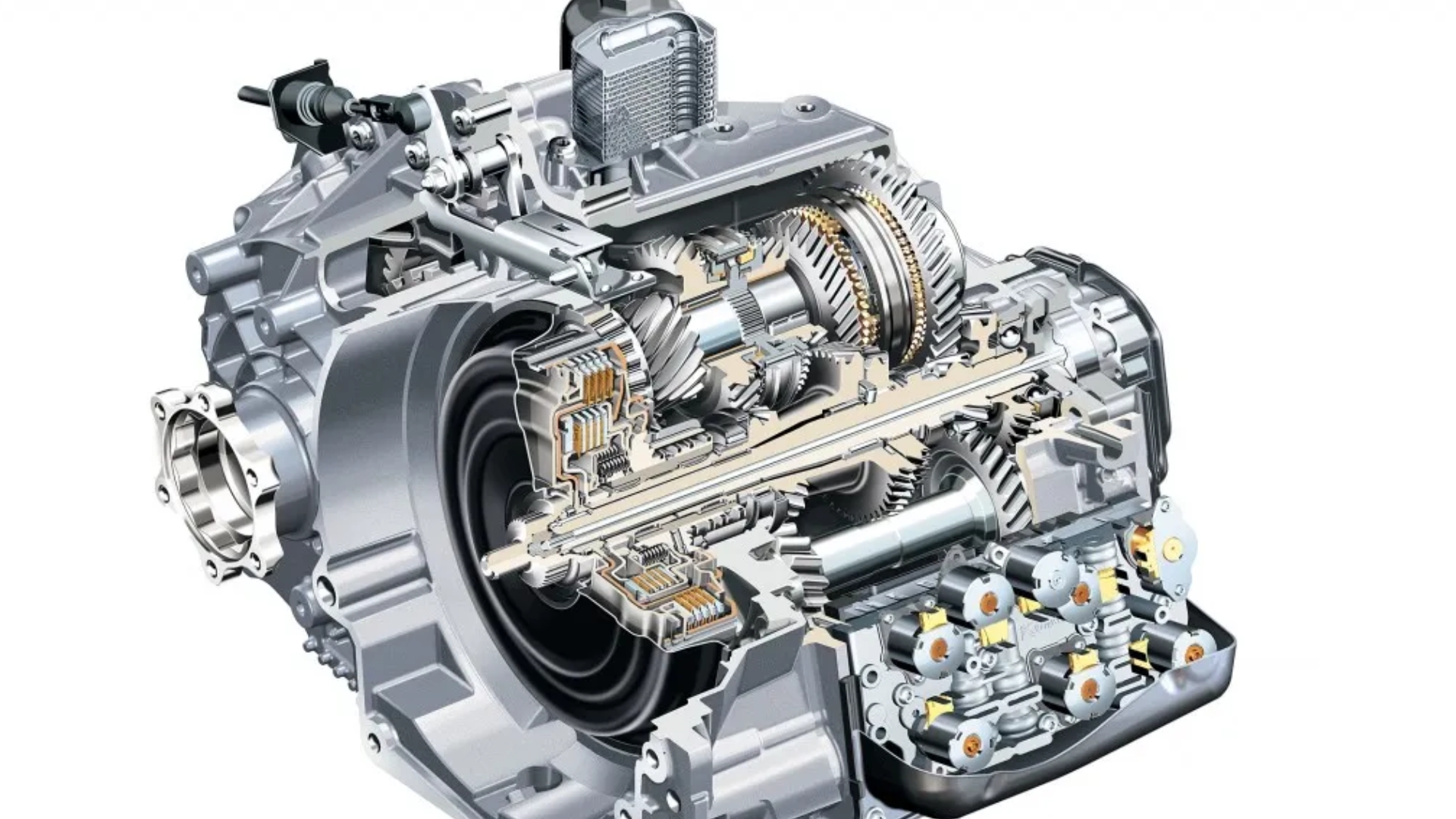
The dsg gearbox remains one of the most common automatic transmission choices in modern European vehicles, and understanding its quirks is essential before buying or servicing one in South Africa.
What is a DSG gearbox and how does it work?
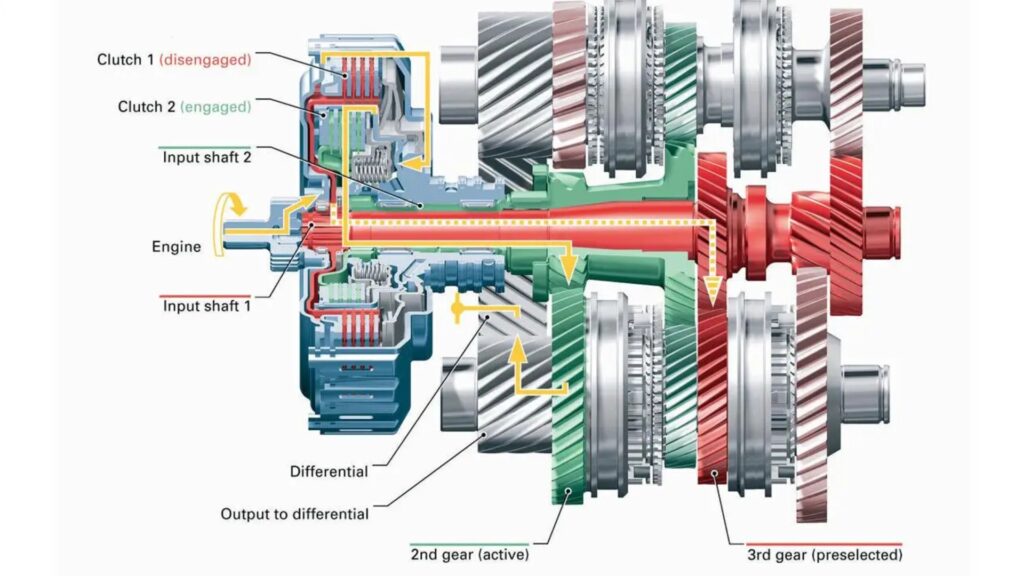
The dsg gearbox (Direct-Shift Gearbox) is a dual-clutch automated manual transmission that uses two clutches to preselect gears for near-instant shifts. It combines the efficiency of a manual with the smoothness and convenience of an automatic. According to Wikipedia, the DSG concept was introduced by Volkswagen Group in the early 2000s and has been offered across many petrol and diesel engines since roughly 2003.
Mechanically, one clutch operates odd gears while the other operates even gears. When you accelerate, the next gear is already preselected so the change requires only clutch swapover and minimal interruption to torque. This design improves fuel economy and shift speed compared with traditional torque-converter automatics, but the added complexity means more items to inspect and maintain when buying second-hand.
DSG gearbox: What are the most common problems?
Common faults on a dsg gearbox often stem from clutch packs, mechatronics units (the combined hydraulic and electronic control module), and fluid-neglect symptoms. Owners commonly report juddering at low speeds, delayed engagement from standstill, and warning lights such as the engine or gearbox lamp illuminating.
Typical issues include:
- Clutch wear on dry-clutch DSGs — cuases judder and poor take-off.
- Mechatronics failure — leads to erratic gear selection or limp mode.
- Valve body or solenoid faults — result in rough shifts or stuck gears.
- Contaminated or overdue transmission fluid — accelerates wear.
Repair can vary from a targeted part replacement to full gearbox overhaul. In South Africa, repair costs are influenced by parts availability and whether your unit is matched to a high-torque diesel or a petrol engine; high-torque diesel applications typically stress clutches more in urban stop/start fleets.
How to check a used DSG gearbox before you buy?
When evaluating a used vehicle or a standalone gearbox, a thorough checklist helps avoid surprises. Always combine a dynamic road test with visual inspection and service history review. For imported low-mileage units (common in UK-imported engines and gearboxes), confirm the seller’s paperwork and compatibility notes.
Pre-purchase checklist (practical steps):
- Road test cold and warm — listen for clutch judder, crunching or delayed engagement.
- Scan for fault codes with a dealer-grade diagnostic tool — mechatronics faults often register.
- Inspect fluid level and condition (if accessible) — burnt smell or dark oil indicates overheating.
- Ask for service receipts and history of DSG oil changes — a solid history reduces risk.
- Confirm gearbox serial number and software version — some models had software fixes.
If you’re considering an imported or second-hand unit, working with an RMI-approved supplier that offers expert support on compatibility and wiring harnesses can save time. For local options and installation services, Home of Engines provides nationwide delivery and post-sale support.
What are the recommended service intervals and maintenance items for a DSG gearbox?
Service intervals vary by manufacturer and model, but dsg gearbox maintenance is more frequent than many drivers expect. Most manufacturers recommend DSG fluid and filter changes every 60,000–100,000 km for typical use, with some high-load applications requiring shorter intervals.
Standard maintenance items include:
| Item | Typical interval | Notes |
|---|---|---|
| Transmission fluid & filter | 60,000–100,000 km | Use OEM-spec fluid and follow torque procedures on pan bolts. |
| Mechatronics software update | As recommended | Dealers may issue TSBs improving shift behaviour. |
| Clutch inspection | When symptoms appear | Dry-clutch wear is common—inspect if judder occurs. |
According to Home of Engines, they provide service and installation support that includes gearbox-ready checks and compatibility testing, and they recommend regular fluid servicing to avoid mechatronics damage (Home of Engines services).
How can you spot a failing DSG gearbox during a road test?
Signs of failure can be subtle. During a road test, pay attention to clutch engagement from standstill, shift smoothness between 1st and 2nd gear, and whether the transmission slips under load. Listen for whining noises, which could indicate bearing issues, and observe for harsh or delayed downshifts when decelerating.
Practical cues to watch for:
- Pulsing or judder at low speeds — often clutch-related.
- Gear hunting or unintended downshifts — possible mechatronics/solenoid trouble.
- Limp-home mode activation — ECU detected a critical gearbox fault.
Bring a scanner on the test drive to read transmission-specific codes; many faults are logged before a driver notices them. If buying a used imported engine/gearbox package, ask the seller for recent diagnostic logs—Home of Engines supplies UK-imported low-mileage engines with compatibility checks to help buyers in Johannesburg and nationwide (Imported engines in Johannesburg).
How much does it cost to repair or replace a DSG gearbox in South Africa?
Costs vary widely by fault, vehicle, and whether you source a reconditioned unit, a remanufactured core, or a new OEM gearbox. Simple mechatronics repairs or clutch pack replacements are cheaper than full gearbox replacements. Labour rates and parts import fees also influence final pricing.
Typical cost ranges (illustrative):
- Minor repairs (solenoids, sensors): R3,000–R10,000
- Clutch replacement/mechatronics refurb: R10,000–R40,000
- Full replacement with used/remanufactured unit: R20,000–R80,000+
Choosing a high-quality second-hand gearbox from a trusted supplier can significantly reduce costs while preserving reliability. Many buyers in South Africa prefer units paired with compatible engines—Home of Engines offers complete engines and gearbox options with a 3-month warranty to safeguard buyers (service & warranty details).
Can a DSG gearbox be reconditioned, or is replacement recommended?
Both reconditioning and replacement are viable. Reconditioning targets specific failed components (clutches, seals, mechatronics) and is often cost-effective if the gearbox casing and internals are sound. Full replacement with a remanufactured or used unit eliminates the risk of hidden damage but requires correct matching and, sometimes, software coding.
Factors to consider when deciding:
- Extent of internal damage — metal debris or catastrophic failure favours replacement.
- Availability of a compatible reman unit — importing can add time and cost.
- Warranty offered — remanufactured units frequently carry limited warranties from suppliers.
Working with an experienced supplier that understands engine-gearbox pairings, such as those offering second-hand units for BMW or Toyota platforms, will reduce misfits and installation surprises. See example brand options at Home of Engines for BMW and Toyota second-hand engines to align compatibility expectations: BMW, Toyota.
How does brand and engine pairing affect DSG gearbox reliability?
Reliability depends strongly on application. Small petrol engines with modest torque loads tend to prolong DSG life compared with heavy-duty diesel or turbocharged high-torque setups used in bakkies and fleet vehicles. Software calibration and ECU tuning also play a large role: a DSG tuned for aggressive shift behaviour will wear faster.
Examples and guidance:
- Urban stop/start fleets (bakkies/urban taxis) accelerate clutch wear — consider frequent fluid service and clutch inspection.
- High-performance models with increased torque require upgraded clutches or reworked mechatronics to maintain longevity.
- OEM updates—manufacturers issued software and hardware TSBs for certain DSG generations to improve durability.
Reviewing brand-specific histories before purchase helps. If you need support sourcing a compatible engine-gearbox match for high-torque diesel applications, expert suppliers that import and bench-test units can be invaluable.
What warranty, delivery and compliance points should you verify in South Africa?
When buying a used or reconditioned dsg gearbox in South Africa, check warranty length, whether the supplier is RMI-approved, and if delivery is offered nationwide. Confirm compliance with import and registration regulations for UK-imported units and whether the gearbox is supplied with necessary documentation for fitment and coding.
Key checks:
- Warranty duration and coverage (parts vs labour) — ask for written terms.
- Supplier credentials — RMI approval indicates industry-standard processes.
- Delivery and installation offerings — does the supplier provide nationwide delivery and workshop support?
According to Home of Engines, they are an RMI-approved engine supplier offering nationwide delivery and a 3-month warranty on engines and gearboxes—helpful protections when purchasing second-hand or imported units in South Africa (Home of Engines services).
What compatibility and installation checks should mechanics and fleet owners perform?
Mechanics should verify ECU and gearbox control module compatibility, wiring harness connections, engine torque ratings, and physical mounting points. Re-coding the gearbox control unit to the vehicle is often required after replacement. For fleet owners, standardise service intervals and keep spares for common failure parts to reduce downtime.
Installation checklist:
- Confirm gearbox serial and software match to ECU.
- Check flywheel/dual-mass components for wear when changing clutch packs.
- Replace transmission fluid and filter during installation with OEM-grade oil.
- Perform a post-installation software update and road test with diagnostics connected.
Suppliers who provide installation services or partner workshops can help with coding and compatibility checks, saving time and ensuring correct registrations for imported units.
Final checklist: What to ask the seller before buying a DSG gearbox
Before you finalise a purchase, confirm the following with the seller. A clear paper trail and technical transparency reduce the chance of costly surprises.
- Exact gearbox model and VIN compatibility.
- Service history and reason for removal (for second-hand units).
- Warranty terms and return policy.
- Whether the unit is sold with matching engine/ECU harness if required.
- Whether the supplier offers nationwide delivery and fitment support.
According to Home of Engines, many buyers prefer complete engines with alternator/turbo/pumps included and RMI-backed support when sourcing used engines and gearboxes for makes like Ford, Toyota, BMW and Nissan; this reduces compatibility work and simplifies installation logistics. Choosing a supplier that offers tested, low-mileage UK-imported engines can save both time and money when replacing major drivetrain components.
Where to get help and parts in South Africa?
For parts, reconditioned units, and installation help in South Africa, look for experienced suppliers who offer nationwide delivery, documented warranties, and compatibility support. Partner workshops with DSG experience will handle coding and software issues more efficiently than general garages. Home of Engines is one local option that combines imported low-mileage units, nationwide delivery and a 3-month warranty on qualifying engines and gearboxes, helping customers across Johannesburg and the rest of South Africa.
When sourcing parts for particular brands, check brand-specific inventory pages to see available second-hand engines and gearbox combinations—this reduces guessing and ensures a closer match when swapping drivetrains.
Summary: The dsg gearbox delivers fast, efficient shifts but requires informed checks and regular maintenance to avoid pricey repairs. Whether you’re a mechanic, fleet owner, or private buyer in South Africa, inspect fault codes, verify service history, confirm compatibility, and buy from a reputable supplier offering warranty and nationwide delivery to reduce risk.