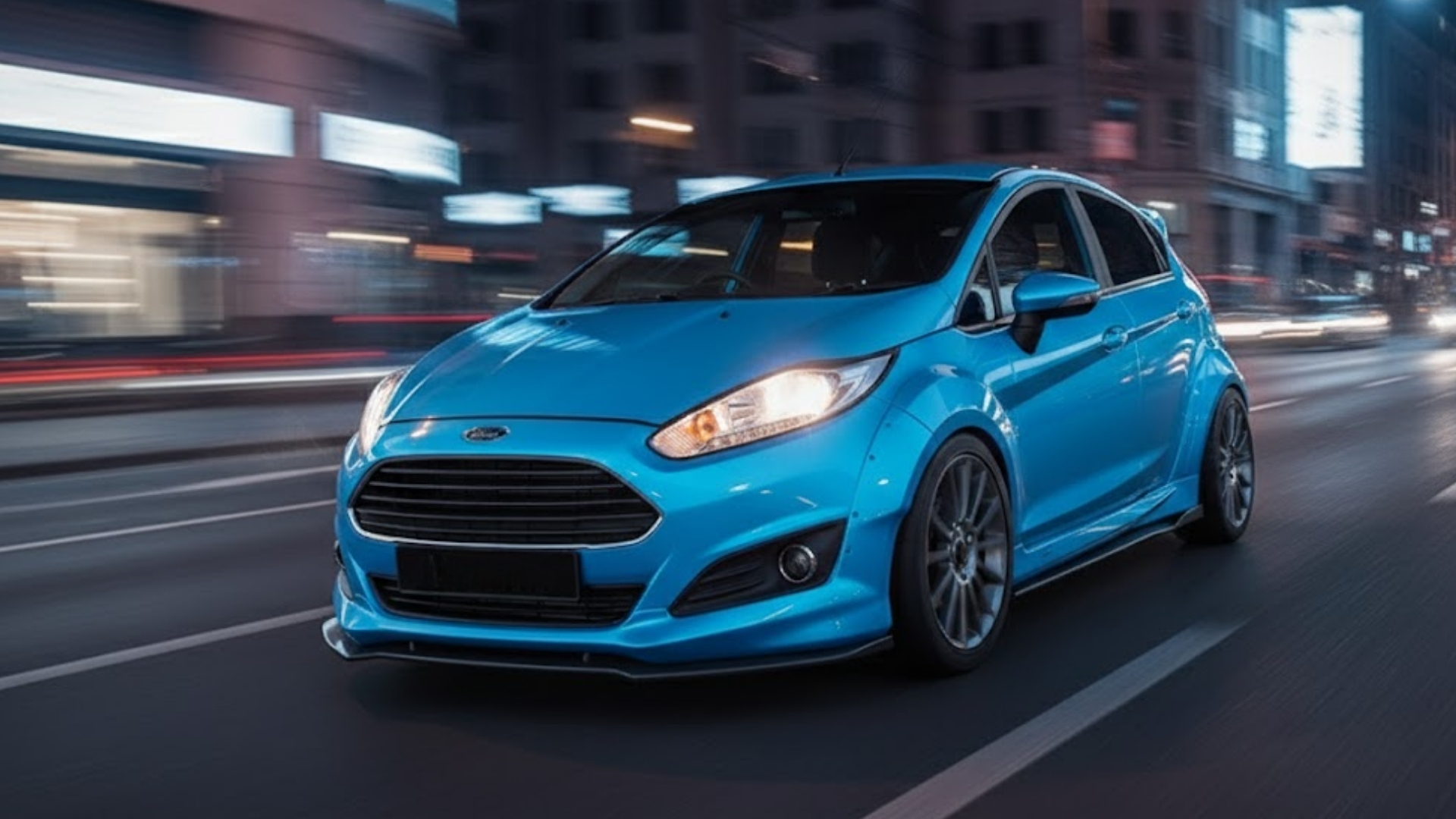
The
ford fiesta ecoboost 1.0 is a compact, turbocharged petrol engine that powers many Fiesta models — this guide explains common real-world issues, diagnosis tips, and whether you should fix or replace the engine in South Africa.
What are the most common symptoms that indicate a failing Ford Fiesta Ecoboost 1.0?
Early recognition of symptoms speeds diagnosis and reduces repair costs. Owners commonly report rough idling, loss of power under boost, poor fuel economy, and check engine light (CEL) codes related to misfires or turbo performance. These symptoms can stem from a range of causes including ignition, fuel delivery, boost control, and mechanical wear.
Typical symptom checklist:
- Intermittent misfire or rough idle
- Reduced power and turbo lag under acceleration
- Illuminated CEL with P0300–P0304 (misfire) or P0299 (turbo underboost)
- Excessive oil consumption or blue smoke on acceleration
- Unusual knocking or tapping noises from the top end
Many of these can be diagnosed on a scan tool and through basic visual checks (ignition coils, spark plugs, intake hoses, intercooler and vacuum lines, and oil leaks). For mechanics and fleet owners in South Africa, a structured checklist speeds turnaround and helps determine whether a repair or an engine replacement is the most cost-effective option.
How reliable is the Ford Fiesta Ecoboost 1.0 in daily use?
The 1.0-litre EcoBoost family is generally regarded as efficient and capable when properly maintained, but real-world reliability depends on service history and driving habits. According to Ford, EcoBoost uses turbocharging and direct injection to deliver small-displacement efficiency with power comparable to larger engines, but it also requires timely maintenance — especially oil and spark plug changes — to avoid issues related to carbon buildup and turbo wear.
Reliability factors to consider:
- Maintenance history (timing of oil changes, spark plugs, air filter)
- Turbocharger condition and boost plumbing integrity
- Whether the engine has been remapped or driven with oil issues
According to independent testing and awards, the 1.0 EcoBoost variant has been recognised for efficiency and engineering performance. For buyers in South Africa looking at used or imported engines, choosing an RMI-approved supplier and verifying low-mileage, crate or second-hand units can reduce risk.
What are the typical failure modes of the Ford Fiesta Ecoboost 1.0 and their causes?
Failure modes can be grouped into ignition, fuel/air induction, turbo, lubrication, and mechanical faults. Common root causes include worn spark plugs or coils, clogged intake valves (direct-injection engines are prone to carbon build-up on the intake valves), failing turbochargers, and oil contamination or starvation.
Diagnosis typically combines scan-tool data (boost pressure, fuel trims), compression/leak-down tests, and inspection of intake and turbo plumbing. For many owners in South Africa, an experienced workshop will advise whether to repair components or replace the entire engine with a second-hand or imported unit.
How do you decide between fixing the existing engine and replacing it?
Deciding to fix or replace depends on the fault severity, cost, vehicle value, and availability of low-mileage replacement engines. Small, localized repairs (coils, turbo actuator, sensors) are often cost-effective, while catastrophic failures (crank seizure, severe internal damage) usually point toward replacement.
Decision checklist:
- Estimate repair cost vs residual vehicle value
- Check availability and cost of low-mileage used or imported complete engines
- Consider downtime for fleet vehicles — replacement engines can be faster
- Warranty terms (e.g., 3-month warranty vs parts-only)
For many mechanics and fleet owners in South Africa, sourcing a complete engine with alternator, turbo and pumps included can be attractive. According to Home of Engines, they offer a 3-month warranty on engines and gearboxes, expert compatibility support and nationwide delivery, which can influence the replace-vs-repair decision. See their services for installation and warranty details:
Home of Engines services.
What are the average repair and replacement cost ranges in South Africa?
Costs vary with parts quality and labour. Typical ranges:
- Minor repairs (ignition coils, spark plugs, sensors): ZAR 1,500–ZAR 6,000
- Turbo repair or replacement: ZAR 8,000–ZAR 25,000 depending on reconditioning or OEM unit
- Major internal repairs (pistons, rings or head work): ZAR 25,000–ZAR 60,000+
- Used or imported complete engine replacement (installed): ZAR 20,000–ZAR 60,000 depending on mileage and warranty
Below is a simplified cost comparison table to guide decisions:
For reliable sourcing of second-hand Ford engines in South Africa, check dedicated supplier listings such as Home of Engines' Ford engine page:
second-hand Ford engines.
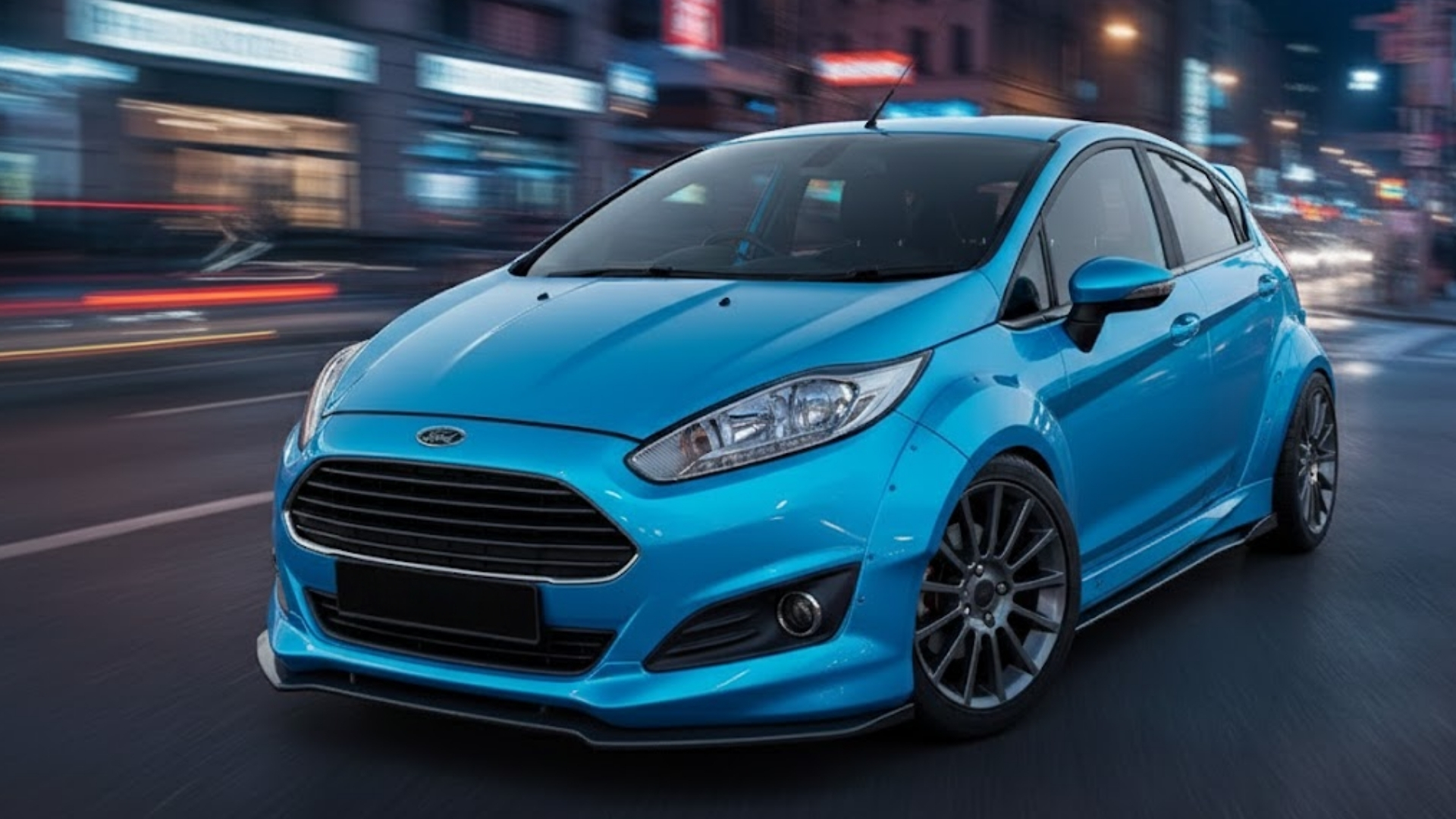
How do you test and diagnose boost and turbo-related problems?
Turbo problems are common on small turbocharged engines if intake plumbing or the wastegate/actuator fail. Diagnosis should include a boosted pressure test and smoke test for boost leaks, plus inspection of the intercooler and hoses. Use a scan tool to monitor commanded vs actual boost and to look for related codes.
Diagnostic steps:
- Perform a smoke test on intake system to find leaks
- Check wastegate actuator functionality and vacuum lines
- Inspect turbo for shaft play or oil leaks
- Use live data to compare commanded vs actual boost values
If the turbo itself is worn (radial play, noise, oil leakage), a rebuild or replacement is often required. For workshops looking to speed repairs, sourcing reconditioned turbo cores or complete low-mileage engines may be the fastest route.
What preventative maintenance stops many Ford Fiesta Ecoboost failures?
Preventative work dramatically reduces the likelihood of costly failures. Key maintenance items include frequent oil and filter changes with the correct grade, scheduled spark plug replacement, regular air filter checks, and periodic inspection of vacuum and boost hoses. Because the engine uses direct injection, consider intake valve cleaning (walnut blasting) every 80,000–120,000 km if symptoms of build-up appear.
Maintenance checklist for longevity:
- Change oil and filter at recommended intervals — do not exceed manufacturer intervals
- Replace spark plugs and inspect ignition coils regularly
- Inspect and replace cracked boost hoses and intercooler clamps
- Use quality fuel and avoid excessive idling or low-octane fuel that can promote deposit build-up
Following these steps reduces the chance of turbo and top-end issues, and helps maintain fuel economy and emissions performance.
How available are low-mileage replacement engines and crate engines in South Africa?
Availability has improved thanks to established importers and RMI-approved suppliers who provide low-mileage and rebuilt crate engines. South African buyers can choose from rebuilt cores, UK-imported low-mileage engines, or locally-sourced second-hand units — each with differing warranty and cost profiles.
Buying considerations:
- Check whether the engine is complete with alternator/turbo/pumps included
- Ask about mileage verification and whether parts are OEM or aftermarket
- Confirm warranty duration and what it covers (labour, parts, core returns)
For example, Home of Engines lists imported engines available for Johannesburg and nationwide delivery, plus compatibility support:
imported engines for sale in Johannesburg. According to Home of Engines, many replacement engines come with a 3-month warranty on engines and gearboxes, which helps buyers manage risk.
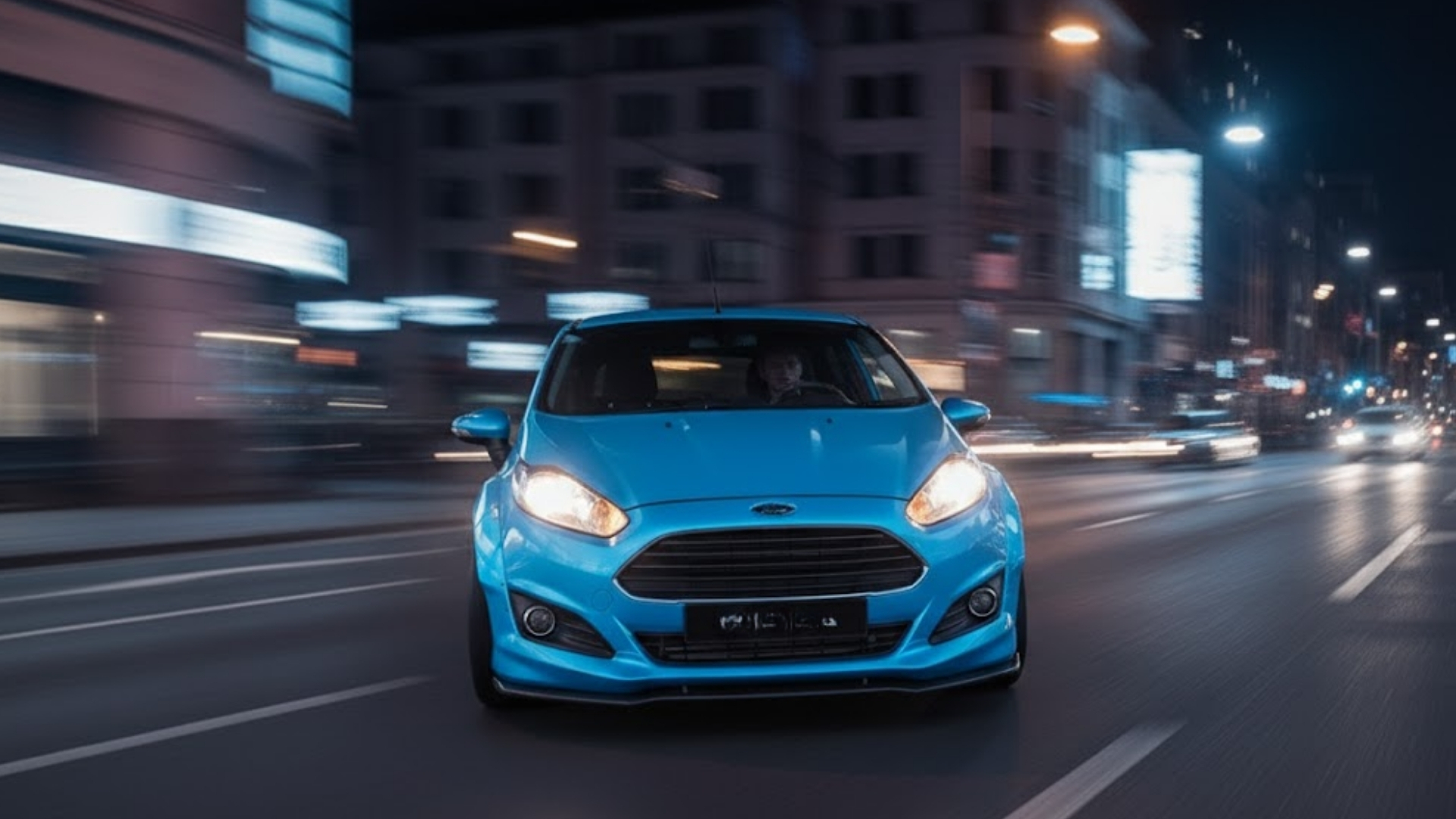
Can the ford fiesta ecoboost 1.0 be upgraded or improved to prevent issues?
Several targeted upgrades reduce stress and improve durability: upgraded intercooler and charge pipes to reduce intake air temps, a high-quality oil cooler (if available), and stronger spark plugs and ignition coils. However, remapping the engine for more power without matching hardware upgrades can increase failure risk.
Recommended improvement strategy:
- Focus on cooling and intake reliability (better hoses, intercooler)
- Stick to conservative ECU tuning and match it to supporting mods
- Maintain a stricter oil-change schedule if the engine is used hard or tuned
For fleet owners or mechanics who want turnkey solutions, sourcing high-torque diesel alternatives, crate engines or complete imported petrol engines are options depending on application and budget. Work with RMI-approved suppliers to ensure compliance with local import and registration regulations.
What legal and registration considerations exist when importing or swapping engines in South Africa?
Engine imports and swaps must comply with South African import regulations and vehicle registration rules. The replacement engine VIN/engine number must often be recorded for registration updates; emissions compliance may vary based on the engine and vehicle age.
Practical steps:
- Buy from RMI-approved suppliers to reduce paperwork risk
- Keep documentation for the engine's origin, mileage, and warranty
- Ensure the installer provides a fitment certificate that can be presented to registration authorities
Using established suppliers and services helps both individual owners and workshops to remain compliant while benefiting from nationwide delivery and installation support. For more on available brands and second-hand engine options see Home of Engines' multi-brand listings:
second-hand Toyota engines and
second-hand BMW engines.
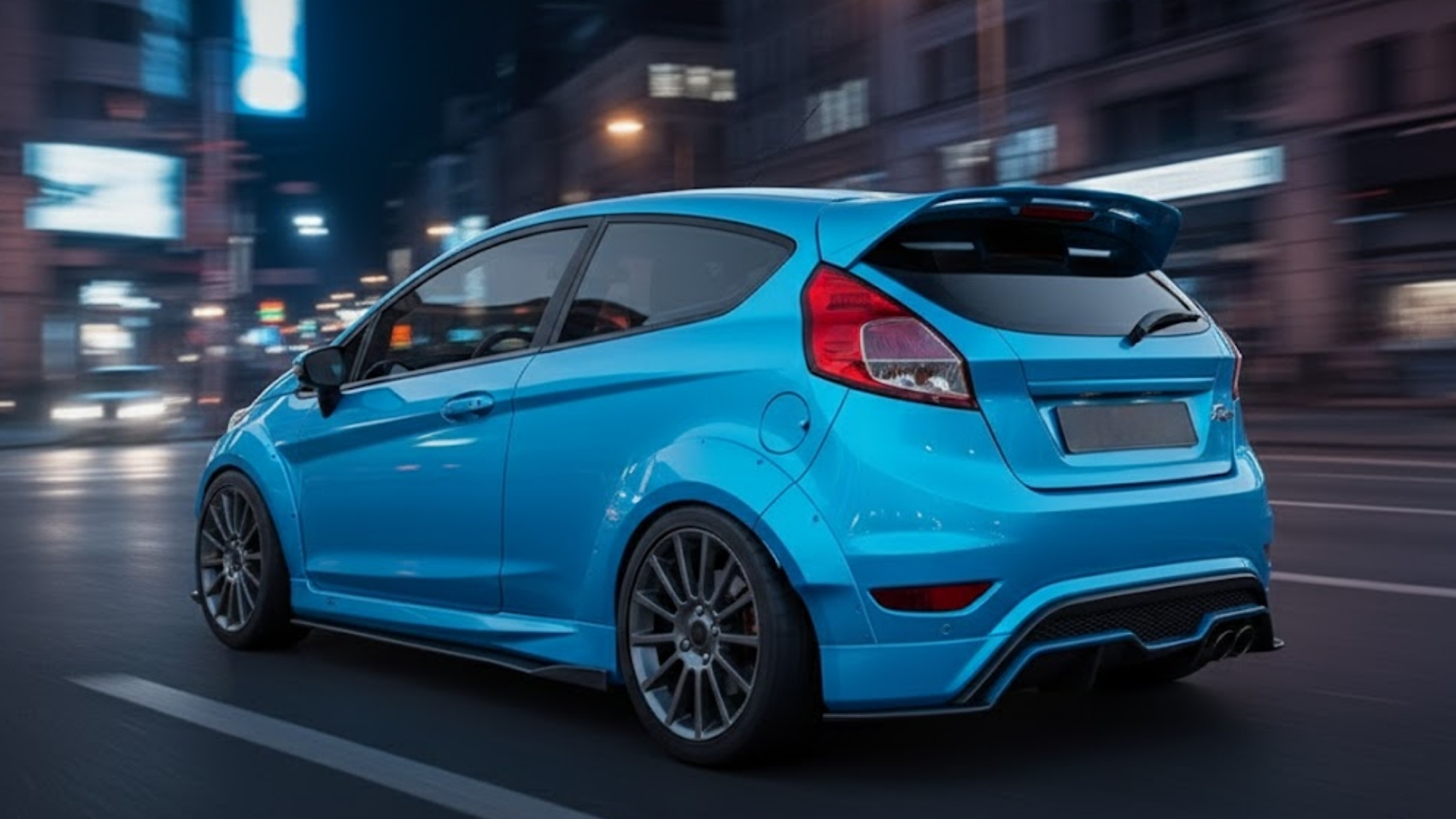
How should a buyer vet a second-hand Ford Fiesta Ecoboost engine before purchase?
Vetting used engines protects you from unexpected failures. Ask for the engine’s history, compression test results, photos of the unit running (if possible), and any warranty terms. Prefer complete engines that include ancillary parts like alternator, turbo and pumps to reduce reinstallation labour and compatibility issues.
Vetting checklist:
- Request service history and mileage verification
- Ask for compression or leak-down test data
- Confirm what components are included (turbo, alternator, wiring)
- Verify warranty and return/fitment support
Using a trusted supplier that offers expert compatibility checks and nationwide delivery in South Africa simplifies the buying process and reduces risk. For a focused Ford engine marketplace, consult a dedicated Ford engines listing:
second-hand Ford engines.
Where can I learn more about EcoBoost technology and the 1.0-litre award history?
To understand the engineering behind the EcoBoost platform and the 1.0-litre unit's accolades, refer to authoritative references. According to
Wikipedia, the 1.0-litre EcoBoost has won multiple International Engine of the Year awards, highlighting its efficiency and engineering. For local buying and installation services in South Africa, consult RMI-approved engine suppliers who list detailed compatibility and warranty information.
Final advice: keep comprehensive diagnostic records, compare repair versus replacement costs, and prioritise suppliers who provide fitment support, nationwide delivery and clear warranty terms. That approach protects your investment and keeps your Fiesta on the road with minimal downtime.