
Ford Fiesta EcoBoost and Why This Small Turbo Hatch Became So Popular
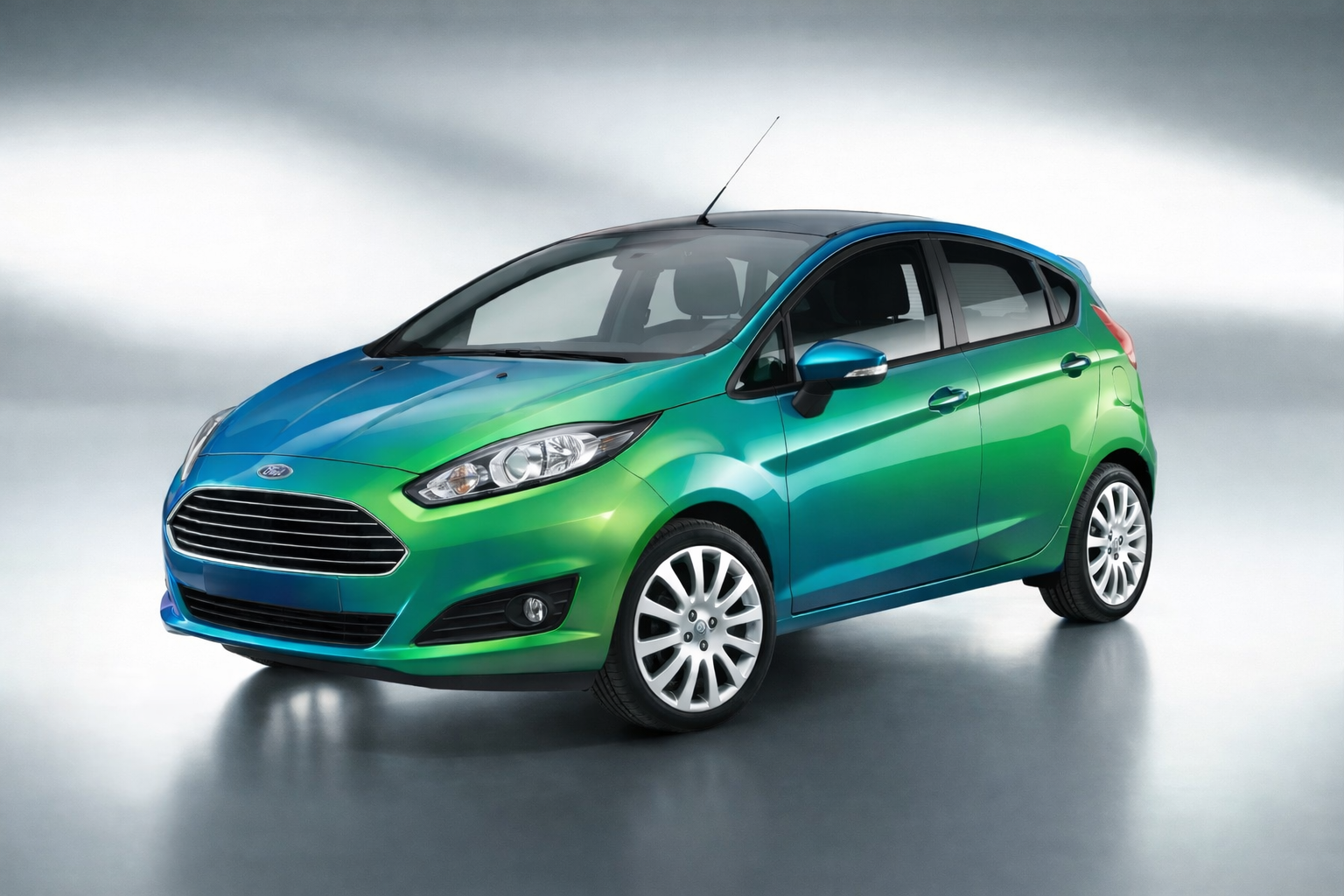
The ford fiesta ecoboost captured drivers’ attention by putting turbocharged punch and sensible economy into a small, affordable hatchback — it was a compact car that felt much bigger than its footprint. This guide answers the key questions mechanics, fleet owners and private buyers in South Africa ask when considering a Fiesta EcoBoost, and explains how UK-imported low-mileage engines, RMI-backed warranties and crate engine options fit into the ownership and repair picture.
What is the Ford Fiesta EcoBoost and how does the EcoBoost system work?
Question: What exactly does "EcoBoost" mean on a Ford Fiesta and why does it matter to drivers?
Answer: The Ford Fiesta EcoBoost pairs a small-displacement petrol engine with turbocharging and direct fuel injection to deliver torque and power more like a larger engine, while keeping fuel consumption and emissions lower. The EcoBoost concept was developed to balance performance with economy by using forced induction and modern combustion technology. According to Wikipedia, Ford introduced the EcoBoost family in 2009 and expanded the lineup across multiple displacements and models worldwide. This technology made the Fiesta desirable for urban drivers who wanted brisk acceleration without the fuel penalty of larger engines.
Why did the ford fiesta ecoboost become so popular?
Question: Why did so many buyers choose the Ford Fiesta EcoBoost over naturally aspirated alternatives?
Answer: Popularity came from a blend of real-world advantages: strong mid-range torque for overtaking and hilly roads, respectable fuel economy in everyday driving, compact packaging for city use, and competitive pricing. The Fiesta EcoBoost offered a sporty driving feel without requiring premium fuel or exorbitant insurance in most markets. That combination appealed to young professionals, small families and fleet buyers. In South Africa, where compact hatches are widely used in cities and suburban commuting, the balance of performance and economy made the Fiesta EcoBoost a common sight.
What engine sizes and specs were offered, and which are most sought after on the used market?
Question: Which EcoBoost engines were fitted to the Fiesta and which units are best for second-hand buyers?
Answer: The most common Fiesta EcoBoost engines are the 1.0-litre three-cylinder and the 1.6-litre four-cylinder variants (availability varies by market and model year). The 1.0L EcoBoost became particularly notable because it delivered high torque relative to its size and often returned better fuel economy than larger naturally aspirated engines. Buyers looking for balance tend to prefer low-mileage 1.0L units because they combine reliability with parts availability and strong aftermarket support.
Typical spec highlights (example):
| Engine | Displacement | Common Torque | Notes |
|---|---|---|---|
| 1.0L EcoBoost | 998 cc | ~170 Nm (varies) | Popular, award-winning small turbo |
| 1.6L EcoBoost | 1596 cc | ~200 Nm (varies) | Stronger performance, less common in small models |
When buying second-hand engines in South Africa, many mechanics and garages prefer UK-imported low-mileage engines because they often come complete (alternator, turbo, pumps) and can include a 3-month warranty, which offers peace of mind during installation and initial running. Home of Engines lists several second-hand options for Ford at their Ford engines page.
What are the most common faults or maintenance issues with Fiesta EcoBoost engines?
Question: Which problems should buyers and mechanics watch for on the EcoBoost engines?
Answer: Common issues reported over the years include intake-carbon build-up on direct-injection engines, turbocharger wear (especially in high-mileage units with oil-feed issues), and intermittent sensor faults (MAP/MAP and MAF sensors). Regular oil and filter changes with the correct grade oil, attention to turbo lubrication, and periodic cleaning of intake components can mitigate many issues. For older or higher-mileage units, confirm the turbo’s condition and check for oil leaks, which can be costly to correct if neglected.
Maintenance checklist:
- Oil & filter service at recommended intervals using manufacturer-specified oil
- Turbocharger inspection (shaft play, oil seals)
- Intake and throttle cleaning to remove carbon build-up
- Regular diagnostic checks for sensor faults and fuel-trim monitoring
How do you source a reliable used Ford Fiesta EcoBoost engine in South Africa?
Question: What steps do fleet owners and mechanics take to source a dependable replacement engine locally or via import?
Answer: Sourcing involves choosing a trusted supplier, verifying engine history and mileage, confirming completeness (alternator, turbo, pumps included), and understanding warranty terms. Many buyers in South Africa prefer UK-imported low-mileage engines because the climate and road conditions in the UK often yield engines in good mechanical condition. Look for RMI-approved suppliers with clear warranties and returns policies. According to the Retail Motor Industry (RMI), reputable used engine suppliers commonly offer short-term warranties — often 3 months — to cover early failures and to build buyer confidence.
Practical sourcing steps:
- Decide whether to use a local rebuilt unit or an imported complete engine.
- Request full photos and documentation of the donor vehicle and the engine.
- Confirm that the engine comes with essential ancillaries or budget for those parts.
- Choose a supplier offering nationwide delivery and expert support for compatibility (for example, suppliers of imported engines in Johannesburg provide national logistics).
Useful starting links: imported stock listings at Home of Engines imported engines and their services at Home of Engines services.
Can I match a used EcoBoost engine to my Fiesta’s existing gearbox and electronics?
Question: Will a replacement engine bolt up to the original gearbox, ECU and harness, or is reprogramming required?
Answer: Compatibility depends on year, market, and emission package. Many Fiesta EcoBoost engines will physically mate to the original manual or automatic gearbox, but ECU matching, immobiliser considerations and ABS/airbag module interlocks may require programming or a swap of control modules. When sourcing a used engine, ask the supplier whether the engine includes or excludes the ECU and whether they provide wiring harness sections. Experienced installers in South Africa often perform ECU swaps or reflashes to ensure the donor engine and vehicle electronics communicate correctly.
Key compatibility tips:
- Verify engine code and VIN compatibility where possible.
- Confirm whether the ECU is included or whether coding will be required.
- Account for potential immobiliser reprogramming costs when budgeting.
What are the costs for a replacement EcoBoost engine and installation in South Africa?
Question: How much should a buyer expect to pay for a used engine plus fitment, and what affects the price?
Answer: Prices vary by mileage, engine completeness and supplier. A low-mileage UK-imported complete engine will typically cost more than a locally rebuilt short-block but offers shorter downtime and complete ancillaries. Installation costs depend on labour rates, whether ECU coding is needed, and whether any additional parts (mounts, hoses, intercooler piping) are required. Fleet owners and independent mechanics often find imported low-mileage engines afford competitive total-cost-of-ownership due to reduced risk of early failure and included ancillaries.
Cost factors listing:
- Engine condition and mileage
- Inclusion of turbo, alternator, pumps and ECU
- Delivery and import-related handling
- Labour hours for removal, fitment, and ECU programming
Is it better to repair, rebuild, or buy a crate or imported engine for a Fiesta EcoBoost?
Question: When does replacing with a crate or imported engine make more sense than repairing or rebuilding the old unit?
Answer: If the original engine has catastrophic damage (seized bearings, cracked block, major internal failure), a replacement imported crate or low-mileage engine is usually more cost-effective and quicker than a rebuild. Rebuilds can be excellent if performed by a trusted machine shop and parts are affordable, but turnaround times and the final warranty vary. UK-imported low-mileage engines often arrive complete and ready to fit, reducing fitment complexity and sometimes providing better value for fleet operations that need predictable downtime and known warranty coverage.
Decision guidance table:
| Scenario | Best option | Why |
|---|---|---|
| Minor wear, no internal damage | Repair/Recondition | Lower cost, use retained ancillaries |
| Major internal failure | Imported low-mileage or crate engine | Faster return to service, predictable life |
| Fleet with uptime priority | Complete imported engine + professional installation | Minimised downtime and risk |
How long do Fiesta EcoBoost engines last, and what improves longevity?
Question: What lifetime can owners expect from an EcoBoost engine and how can durability be maximised?
Answer: Longevity depends on maintenance and driving style. With regular oil changes, correct oil grade, timely servicing and attention to turbo lubrication, an EcoBoost engine can provide many hundreds of thousands of kilometres. Regular servicing, quality replacement parts, and attention to any early warning signs (smoke, oil consumption spikes, loss of boost) will extend life. According to Ford's documentation on EcoBoost technology, the design intent was to provide durability comparable to larger engines while improving efficiency — meaning proper upkeep is essential to achieve expected life.
What about pairing with gearboxes and common gearbox issues to watch for?
Question: Which gearboxes are commonly paired with EcoBoost engines and what gearbox faults occur?
Answer: The Fiesta EcoBoost was sold with manual and automatic (DCT/6-speed) gearboxes depending on market and trim. Manual gearboxes are generally simpler and cheaper to repair; dual-clutch automatics (where fitted) need careful attention because clutch pack wear or mechatronic faults can be costly. When replacing an engine, confirm gearbox condition and whether the clutch or torque converter shows wear. Home of Engines and many suppliers of second-hand engines also handle gearbox replacement and can provide paired options for a complete drivetrain swap to reduce compatibility issues.
Checklist for gearbox pairing:
- Inspect clutch/dual-clutch for wear
- Confirm bellhousing and flywheel compatibility
- Consider replacing clutch with the engine when mileage is high
Where can I get professional installation, warranty support and spare parts in South Africa?
Question: What local services exist for installation, warranty support and sourcing spares for an EcoBoost Fiesta?
Answer: In South Africa, select engine suppliers and installers offer nationwide delivery, installation services, and 3-month warranties on engines and gearboxes — useful for private buyers and fleet managers. RMI-approved businesses and specialist engine suppliers typically provide compatibility checks, expert support, and follow-up service. For broader parts and brand-specific items, the Home of Engines brands hub and services pages list available inventory and fitment support for multiple vehicle brands. For example, browse their brand listings for spare options and related second-hand engines to evaluate alternatives before committing to an engine swap: Home of Engines brands and if you need other marques as comparisons, they also list many second-hand options for Toyota and others such as second-hand Toyota engines.
Final checklist: buying, installing and registering a replacement EcoBoost engine in South Africa
Question: What practical steps finalise a safe, legal and durable engine replacement for a Fiesta EcoBoost?
Answer: Final steps include confirming engine compatibility, obtaining written warranty terms (confirming the typical 3-month warranty on engines/gearboxes where applicable), booking an experienced installer, and ensuring any ECU coding and security immobiliser work is performed. Also check compliance with South African import and registration regulations if the engine is imported — proper paperwork ensures you can legally fit and operate the vehicle post-repair. A concise buying checklist follows:
- Verify engine VIN or engine code matches or is compatible
- Request documented mileage and engine history
- Confirm complete ancillaries are included (turbo, alternator, pumps)
- Get a written warranty and check if it aligns with RMI guidelines
- Arrange professional installation with ECU coding support
- Retain import documentation where applicable for registration
According to Ford, EcoBoost technology is engineered to provide an efficient power-to-displacement ratio when properly maintained. According to Wikipedia, EcoBoost engines were introduced in 2009 as a family of turbocharged, direct-injection gasoline engines. According to the RMI, reputable used engine suppliers commonly provide a short-term warranty (often three months) to support buyers and installers in South Africa.
Whether you are a mechanic sourcing a crate engine for a customer, a fleet owner comparing rebuild vs. import, or a private buyer looking for a low-mileage second-hand engine, the ford fiesta ecoboost offers a compelling mix of performance and economy — and with careful sourcing, the right supplier and professional installation, it remains a practical choice for South African roads.