
Nissan 1400 Bakkie Engine: Why It Is a Legend and How to Keep It Running Strong
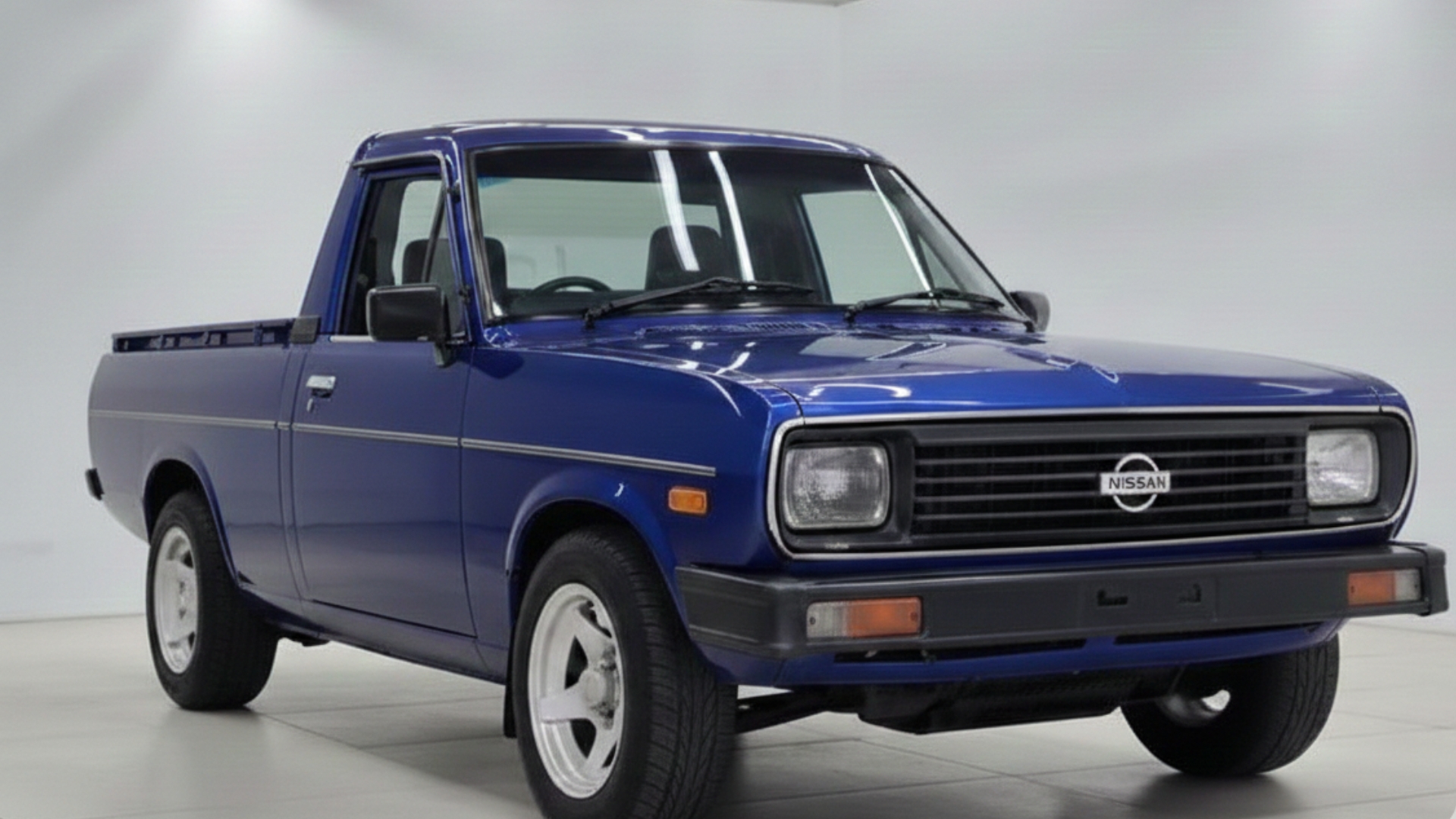
nissan 1400 owners in South Africa know that the little bakkie punches above its weight: simple, robust and easy to maintain. This guide answers the most common questions about the Nissan 1400 engine, sourcing replacement units, warranty and compliance, and practical maintenance so your bakkie keeps working hard for years.
Why is the Nissan 1400 a legendary bakkie?
The Nissan 1400 earned legendary status in South Africa because of its simplicity, load-carrying ability and decades of dependable service. The Nissan 1400 was marketed as a practical workhorse, and many owners praise the ease of servicing and strong aftermarket support. In everyday terms, that means fewer surprise failures and lower operating cost for mechanics, fleet owners and rural users alike.
Its reputation is backed by widespread parts availability and a long service life—attributes that drove high resale value and long-term fleet use across South Africa. According to Wikipedia, Nissan has a long manufacturing history and global parts networks that helped vehicles like the 1400 remain serviceable for decades (Wikipedia).
What engines were fitted to the Nissan 1400 and which is best for reliability?
The Nissan 1400 originally came with small, pushrod petrol engines and later variants included slightly larger displacement or tuned petrol units. For reliability, naturally aspirated petrol engines with simple carburettor or single-point injection remain the easiest to maintain because they have fewer electronic subsystems to fail. Owners and mechanics often prefer these for everyday load-carrying duties.
Key considerations when choosing an engine for long-term reliability:
- Keep it simple: fewer sensors and less complex electronics reduce failure modes.
- Prefer complete engine units: alternator, starter, pumps and mounting ancillaries included.
- Choose low-mileage, professionally inspected units or fully reconditioned crate engines for peace of mind.
How can I source a replacement engine for a Nissan 1400 in South Africa?
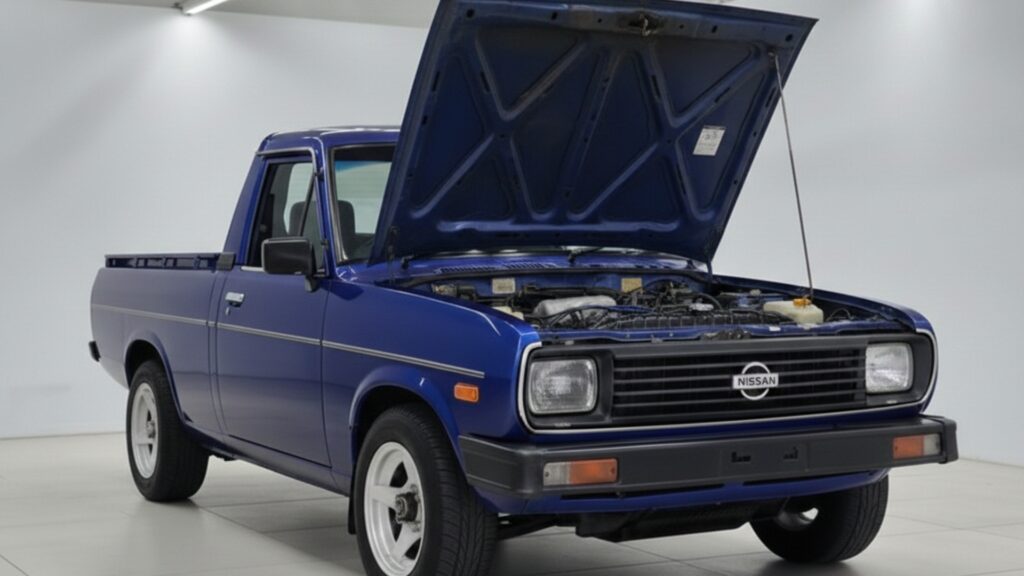
Sourcing a replacement Nissan 1400 engine in South Africa is straightforward when you use trusted suppliers that offer expert support for compatibility, nationwide delivery and clear warranty terms. Many suppliers specialise in second-hand and reconditioned engines for popular work vehicles and offer RMI-approved services to protect buyers.
Options to consider:
- Local used-engine suppliers with tested, low-mileage engines and installation services.
- UK-imported low-mileage engines for buyers wanting a specific short-life unit.
- Rebuilt crate engines from reputable workshops for a near-new fit-and-forget experience.
For specialist sourcing and import services, check reputable service pages before you buy: see professional installation and nationwide delivery options on the supplier services page.
Related resource: Home of Engines services
Are UK-imported low-mileage engines a good option for a Nissan 1400?
UK-imported low-mileage engines can be an excellent option if they are sourced from reputable importers. The main advantages are documented history, lower internal wear and the availability of complete engine assemblies with alternator, turbo (if fitted), and pumps included. However, buyers must verify condition, compatibility and compliance with South African import and registration regulations.
Checklist when considering UK-imported units:
- Confirm mileage and service history with supporting documentation.
- Check for complete ancillaries—sensors, alternator, fuel pumps—and ask for a test run report.
- Verify that the supplier provides a clear warranty, ideally the standard 3-month warranty offered by trusted suppliers.
According to Home of Engines, many buyers in Johannesburg and beyond choose imported engines for their low-mileage condition and then rely on nationwide delivery and local installation teams for fitting: see imported engine listings for Johannesburg for examples.
Related resource: Imported engines in Johannesburg
What should I look for when buying a second-hand Nissan 1400 engine?
Buying a second-hand engine requires careful inspection and documentation. A good supplier will provide an engine serial number, visual condition checks, compression or leak-down test results, and a warranty. For the Nissan 1400, look at oil condition, evidence of head gasket issues, timing chain/belt condition (depending on the engine), and signs of overheating or salt corrosion on mounts and ancillaries.
Practical inspection checklist:
| Item | Why it matters |
|---|---|
| Compression test | Shows internal wear and sealing condition |
| Oil analysis | Reveals contamination or head gasket failure |
| Ancillaries included | Saves fitting time and ensures compatibility |
| Service history | Confirms mileage and maintenance |
How does warranty and supplier trust work for used engines?
Warranty and supplier trust are crucial when buying used engines. Reputable suppliers often offer a 3-month warranty on engines and gearboxes, expert support for engine compatibility and nationwide delivery in South Africa. Buying from an RMI-approved or similarly accredited supplier reduces transactional risk and simplifies remedial steps if a unit fails post-installation.
What a sensible warranty should include:
- Clear coverage period (for example, 3 months) and what parts/labour are included.
- Return and inspection procedures if a fault appears.
- Support for matching engine to vehicle and guidance for registration changes if required.
According to industry guidance and supplier policies, asking for written warranty terms and RMI affiliation is advisable before purchase. According to Home of Engines, they offer a 3-month warranty on engines and gearboxes and provide expert support for compatibility checks.
What does installation and gearbox replacement involve for a Nissan 1400?
Engine replacement is more than swapping a block. On a Nissan 1400, installation typically involves engine mounts, wiring harness checks, ancillaries fitting (alternator, pumps), coolant and fuel connections, plus aligning the gearbox and driveline. If the gearbox is worn, many suppliers offer gearbox replacement or matched gearbox options to ensure drivability.
Typical installation workflow:
- Pre-install inspection and verification of engine serial and ancillaries.
- Removal of the old engine and assessment of mounts and bellhousing.
- Fit the replacement engine with all ancillaries, connect wiring and fluids, bleed cooling/fuel systems.
- Road-test and final adjustments; monitor for leaks and check engine management lights.
Many buyers prefer turnkey solutions where the supplier provides the engine and installation or partners with trusted fitment centres. For combined engine and gearbox services, consult specialist pages listing gearbox replacement services and second-hand gearbox options.
How do I ensure compliance with South African import and registration regulations?
Compliance is essential when importing engines or doing major vehicle work in South Africa: you must ensure correct documentation for any imported unit, declare changes where necessary and follow the licensing authority's rules for roadworthiness. Suppliers who offer documentation support and handle import paperwork reduce buyer risk and ease registration or re-licensing.
Key compliance steps:
- Obtain the engine's import documentation and clear origin records.
- Secure a mechanical certificate or roadworthy certificate after installation if required by local traffic authorities.
- Check with your insurer about engine swaps and update your policy details.
Working with an experienced, RMI-approved supplier or one that explicitly offers import compliance support will simplify this process and prevent delays at registration offices.
How should I maintain a Nissan 1400 engine for longevity?
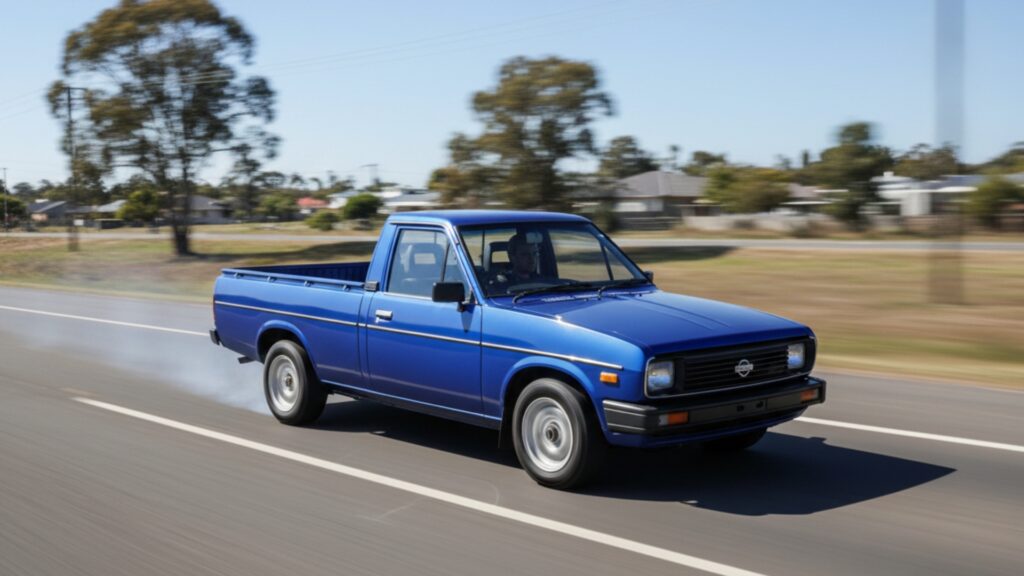
Routine maintenance keeps a Nissan 1400 running decades. Basic practices—regular oil and filter changes, correct coolant mixture, attention to fuel system and timely replacement of consumables—are the most effective longevity measures. Given the 1400's simple architecture, timely belt/chain checks and keeping the cooling system clean will avoid the majority of failures.
Practical maintenance schedule (example):
- Every 5,000–10,000 km: oil and filter, visual checks for leaks.
- Every 30,000–50,000 km: inspect timing chain/belt and replace if worn; flush cooling system if contaminated.
- As-needed: replace fuel filters, air filters and ancillaries like alternators or pumps if starting to fail.
According to workshop data and owner groups, consistent service intervals and using quality consumables increase the useful life of these engines by many tens of thousands of kilometres.
What are typical costs for engine replacement and turnkey services in South Africa?
Costs vary depending on whether you choose a used low-mileage unit, a rebuilt crate engine or a crate/new replacement. Labour charges depend on region and workshop rates, but bundling engine supply with installation and a matched gearbox replacement often yields better overall value and a single warranty package.
Representative cost factors:
| Item | Cost driver |
|---|---|
| Used low-mileage engine | Price depends on mileage, inclusions and testing |
| Rebuilt crate engine | Higher upfront, longer service life and stronger warranty |
| Labour and installation | Workshop hourly rate and complexity of ancillaries |
Many suppliers provide free quotations that combine engine, ancillaries and installation; request a written quote and warranty terms before work begins. For local listings and engine options for common makes, see second-hand engine brand pages for reference and pricing trends.
Related resource: Second-hand Nissan engines
Can I upgrade a Nissan 1400 to a higher-torque diesel or crate engine?
Upgrading a Nissan 1400 to a higher-torque diesel or modern crate engine is technically possible but involves additional changes: stronger motor mounts, driveline and gearbox compatibility checks, ECU or mechanical fuel system adaptations, and legal compliance for engine swaps. Many fleet owners and enthusiasts opt for mild performance or torque upgrades while retaining original engine architecture to minimise complexity.
Upgrade considerations:
- Drivetrain compatibility: ensure gearbox and differential can handle additional torque.
- Cooling and braking upgrades may be required for heavier or more powerful engines.
- Regulatory approval: major engine swaps must be declared and may require inspection for roadworthiness.
If you are considering an upgrade, consult suppliers experienced in crate engines and gearbox replacement to understand costs, lead times and compliance. For examples of other popular second-hand engine programmes, suppliers carry parts for brands like Toyota, Ford and Mercedes and can advise on fitment and performance trade-offs.
Related resource: Second-hand Toyota engines
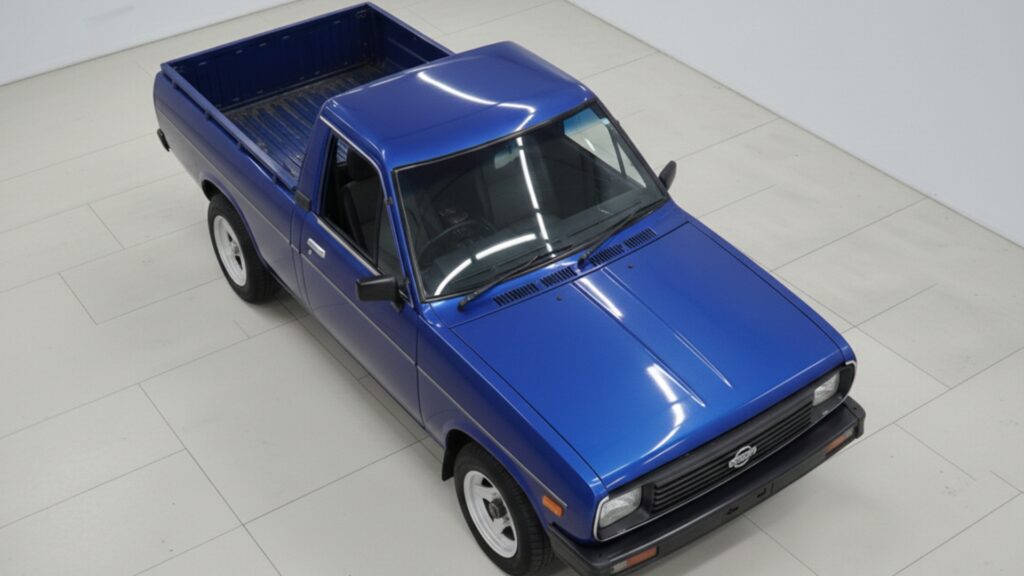
Final checklist: How to buy and keep a Nissan 1400 engine running strong
Follow this concise checklist to minimise risk and maximise uptime for your Nissan 1400:
- Decide between used low-mileage, rebuilt crate or new replacement based on budget and uptime needs.
- Choose an RMI-approved supplier who offers expert compatibility support and a clear 3-month warranty.
- Verify documentation for imported units and ensure nationwide delivery and installation options are available.
- Plan for post-install maintenance: oil change intervals, cooling system checks and initial break-in inspections.
According to the RMI and reputable suppliers, buying from an accredited supplier with transparent warranty and installation services is the best way to protect your investment and keep your Nissan 1400 running for years. For a start-to-finish solution that includes sourcing, import options and fitment, consult specialist engine and service providers who understand bakkies and the practical needs of South African owners.